

Listen to the article
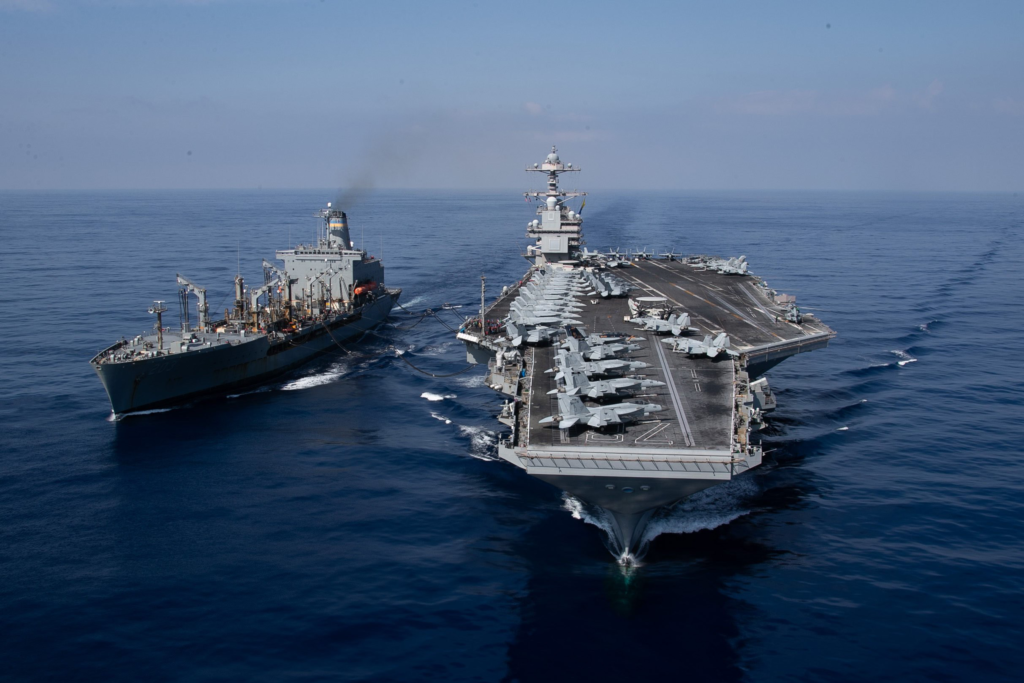
Shortly after midnight Eastern Standard Time on Sunday October 7th when the full impact of Hamas’s murderous attack against Israel began to unfold, the United States’ most powerful naval battle group – Carrier Strike Force 12 – was dispatched to the Eastern Mediterranean.
Detailed orders, including potential targets in Syria, Iran, and Lebanon, along with the appropriate rules of engagement, would follow, but at that precise moment the mission was simple – to demonstrate solidarity with Israel.
Less than 72 hours later, the USS Gerald R Ford arrived at its target location. The 100,000-ton colossus emerged out of the Mediterranean dawn ready for anything that might unfold in the coming hours.
In terms of strategic messaging, nothing is more persuasive than a US Navy carrier strike group – it is the apotheosis of power projection.
The USS Gerald R Ford is the world’s largest and arguably most powerful warship. The carrier is equipped with more than 90 aircraft, including F-16 fighter jets, surveillance aircraft and attack helicopters. The carrier force also boasts a Ticonderoga class of guided-missile cruiser and four guided-missile destroyers. And for good measure there are now two carrier strike groups in the region.
Additionally, the US Air Force can bring to bear its B2 stealth bombers, one of the few aircraft capable of carrying and dropping the Massive Ordnance Air Blast bomb (MOAB) – otherwise known as the Mother of All Bombs, the largest non-nuclear explosive device ever created.
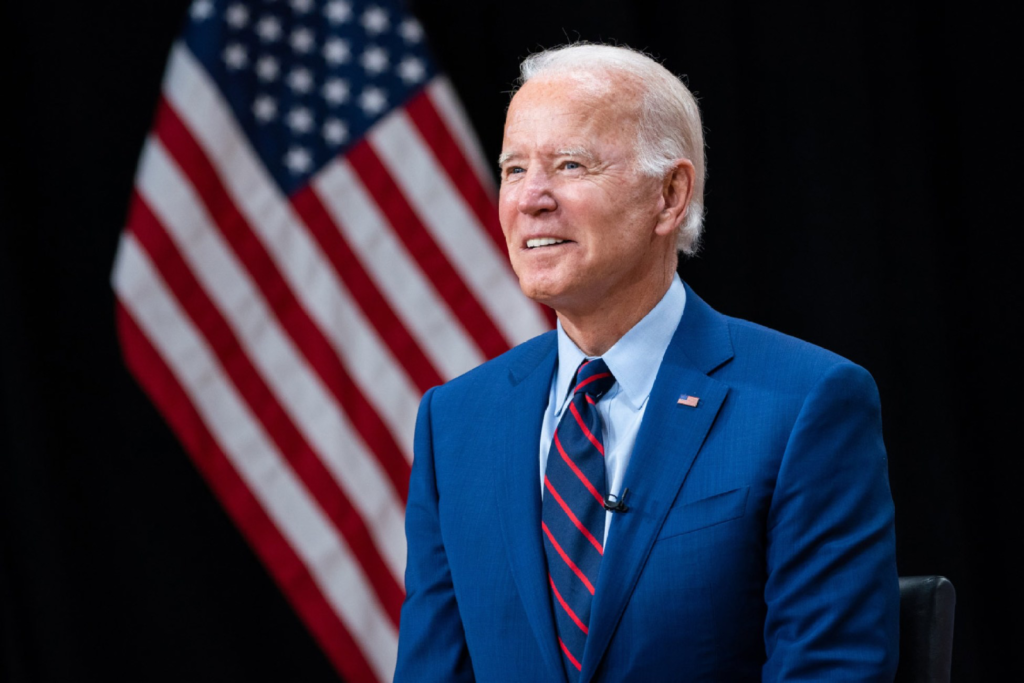
Little wonder then that US President Joe Biden’s warning to Iran and its Lebanese-based proxy Hezbollah, who he suspected might try and exploit the crisis, was simply to say, “Don’t”.
The decision to dispatch the carrier group was not so much about muscle flexing but more to remind those in the region that the United States remained a benign superpower, ready to police the world’s trouble spots and, crucially, aid its allies in moments of existential crisis.
So far, the strategy has worked. Despite three months of intense fighting in Gaza which has left an estimated 21,000 Palestinians dead, according to figures from the Hamas-run health authority along with the displacement of more than one million residents of the region, fears of a wider conflagration have been limited to a few skirmishes on Israel’s northern border and a predicated but contained uprising in the West Bank.
Despite repeated threats from Iran and attempts by the Houthi militias in Yemen to close off the world’s most important shipping lanes in the Red Sea, the crisis has more or less been contained.
The United States is probably the only country today which could achieve this, and indeed be willing to undertake such a strategic risk in the hottest of the world’s hot spots.
But the risk is a calculated one. Iran does not want to get into a shooting war with the US and neither does Hezbollah, despite the rhetoric. After all, the US military might is staggering. The Pentagon’s budget is 877bn USD and Washington spends more on defence than the rest of its 30 Nato partners combined. At the moment the US military has 1.3m active service personnel and a further 800,000 reserve troops. Its expeditionary force – the US Marines, often the first into battle – is composed of 188,000 personnel, larger than most European armies.
But the US’s reputation as a superpower has taken a beating in recent years. The war in Iraq and Afghanistan are largely regarded as strategic failures.
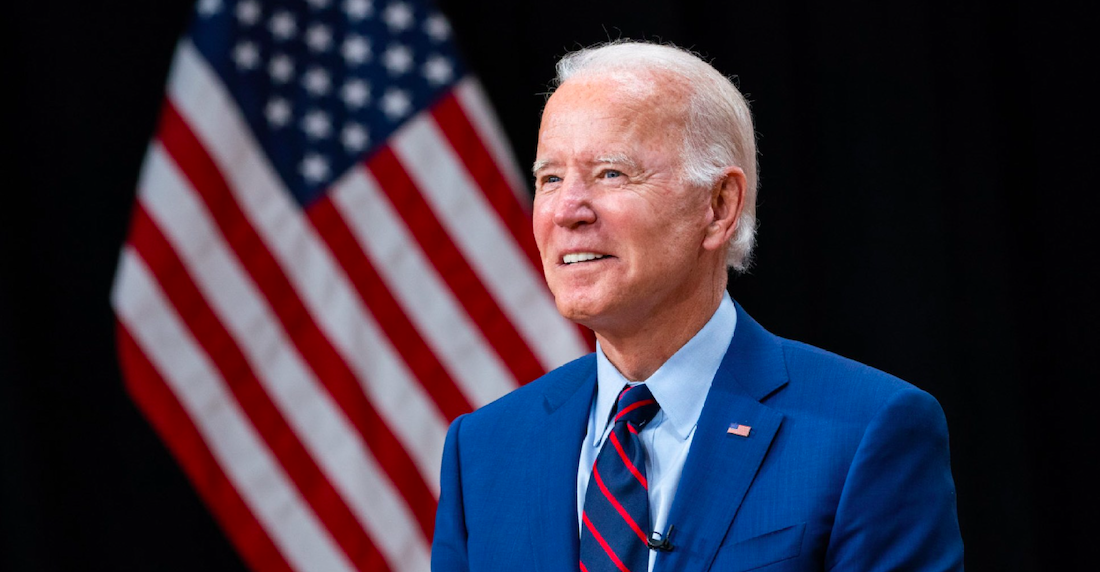
Now, however, Mr Biden finds himself as a wartime president ready to lead the west, economically and if necessary, militarily, as he made clear in a recent televised address when he said that the world was at an inflection point.
He has declared his unwavering support for Ukraine in the wake of Russia’s invasion and potentially, would do the same for Taiwan, if and when China attacks.
In the president’s view, helping friends is not only possible but necessary. “American leadership is what holds the world together,” he said. “American alliances are what keep us, America, safe.”
It is a view many in the west share. “The world is in a very unstable place at the moment,” Colonel Philip Ingram, a former British Army intelligence officer and NATO planner, told National Security News. “The war in Ukraine where the West is focused on ensuring Russia’s illegal re-invasion fails. The developing crisis in the Middle East and the growing concern about China, not just about its economic growth but also about its increasing military rhetoric, especially when it comes to Taiwan.
“There is one common denominator that is helping to reduce the impact of all three of these developing events and that is the United States of America, the world’s policeman, arguably the world’s only real superpower.” Col Ingram argues that while Russia and China claim superpower status only “the USA delivers time and again”.
He continued: “The United States’s unwavering support for Ukraine, costing the US taxpayers billions of dollars, has not just given Ukraine the ability to defend against Russian aggression, but to take and maintain the initiative. Getting stronger whilst Russia gets weaker, proving the underdog can win in a real David Vs Goliath struggle.
“The United States’s strength and resolve are being further tested with the deployment of two Carrier Battle Groups to the eastern Mediterranean, not to help Israel in its war with Hamas, but to deter wider influence and potential for escalation, especially from Iran.
“Can it do this simultaneously with supporting Iraq? The answer is simply yes, and it is doing so with shooting down Houthi drones and missiles coming from Yemen, F16s bombing IRGC sites in Syria and US forces in Iraq and Syria defending against increased militant attacks.
“Meanwhile, the US Pacific fleet remains poised to deter an aspirational China from looking too closely at Taiwan. What is clear is the world needs the USA more than ever today, it is the only truly global policeman, and it is configured to deal with multiple growing threats simultaneously.”
For almost 10-years, many actors on the geo-political stage have claimed that the US was an “empire in decline” and that its status as a superpower had been much reduced. The war in Ukraine and the conflict in Gaza may well have reversed those claims providing the US continues to lead the west in supporting Ukraine and the Middle East crisis is contained.
But Mr Biden’s strategy comes with no small risk. While in Europe the US is acting at arm’s length, sending weapons, intelligence and money to Ukraine, but not troops, in the Middle East, it is deploying its own forces to protect Israel from attack by Iran and its allies.
But these are the risks a super power must take.
