

Listen to the article
While the war in Ukraine rages on, a webinar hosted by the Warwick Ukraine-Belarus Society highlighted the lingering anxieties surrounding a wider European war. Despite ongoing efforts to support Ukraine’s defence, the risk of escalation remains a major concern among policymakers and analysts.
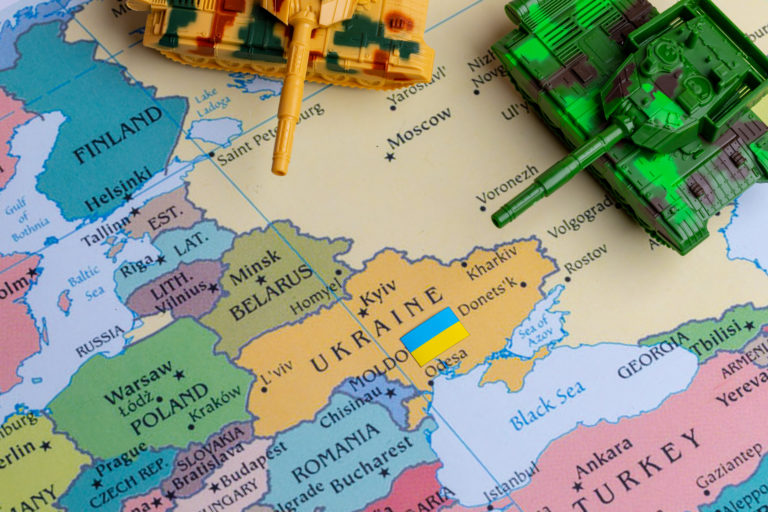
The panellists outlined several potential forms escalation could take, including the war spilling over into neighbouring countries like Moldova or the Baltics, or even an accidental military confrontation between Russia and NATO.
While the immediate risk may seem low, the speakers stressed the need for sustained attention and proactive measures to address the evolving security challenges and prevent broader regional instability.
Critical Year 2024
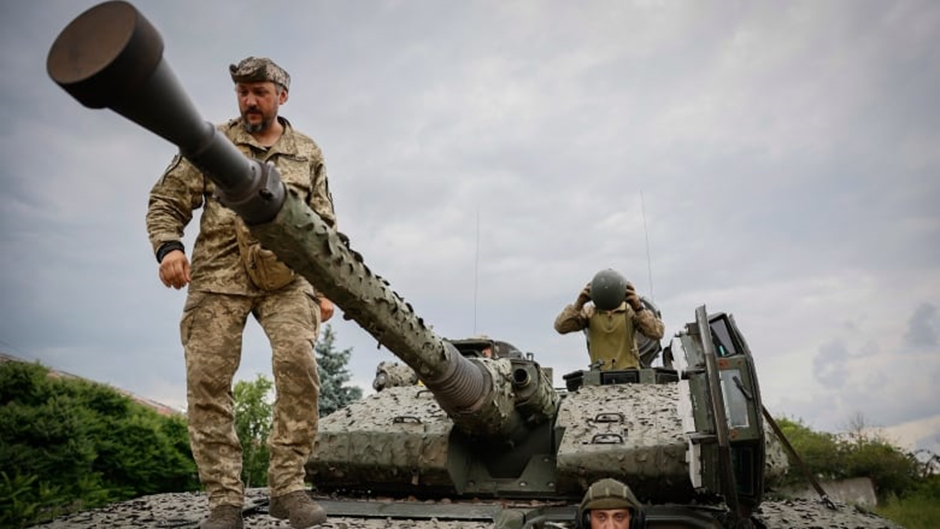
Mykhailo Samus, Director of the New Geopolitics Research Network, offered a stark assessment of the situation, stating, “Europe is not ready for war with Russia.” He highlighted 2024 as a critical year, emphasising the need to “change the situation on the battlefield” before 2025, a year he anticipates will be fraught with “consequences of 2024.”
“Russian in case of success in Ukraine will be ready to attack Europe and unfortunately, for now, Europe is not ready for war with Russia.”
Samus also warned that the majority of Ukrainians are unwilling to accept peace negotiations, fearing such attempts could trigger civil unrest. He further emphasised the potential for Russia to exploit this sentiment, aiming to “attack Europe”, emboldened by their successful invasion of Ukraine.
Russia’s Long-Term Strategy
Valery Sakhashchyk, Representative for Defence and National Security for the United Transitional Cabinet of Belarus, presented an analysis of Russia’s long-term strategy, drawing parallels to pre-1933 Germany. He highlighted Russia’s “classic chauvinism” and its ambition to regain control over territories with significant Russian Orthodox populations, stressing that “Russia is already planning and, if possible, implementing the next steps towards regaining control over the Russian Orthodox part of Europe.”
Sakhashchyk outlined a potential two-pronged strategy: first, securing control of Ukraine’s left bank to cut off access to the sea and subsequently advancing towards Moldova; second, seizing full control of Belarus to gain direct access to NATO borders. He warned that success in either of these endeavours could trigger a direct conflict within Europe.
Emphasizing the necessity of acknowledging the military dimension of the confrontation, Sakhashchyk urged preparedness for the innovative hybrid warfare techniques employed by Russia. “The strategy will not be implemented by purely military methods; the Russian’s are trendsetters in the field of hybrid warfare and will use those methods that will be most suitable for the situation,” he noted. He cautioned against underestimating the military confrontation at hand, “this is precisely a military confrontation using the most innovative technologies,” he added.
International Response and Deterrence
Dirk Schuebel, Special Envoy for the Eastern Partnership at the European External Action Service (EEAS), acknowledged the worrisome attacks on Ukrainian infrastructure and underscored the urgent need for international support.
He highlighted the EU’s significant efforts, including nearly €100 billion in financial and military aid to Ukraine, and their unwavering commitment to pushing Russian forces back to pre-2014 positions.
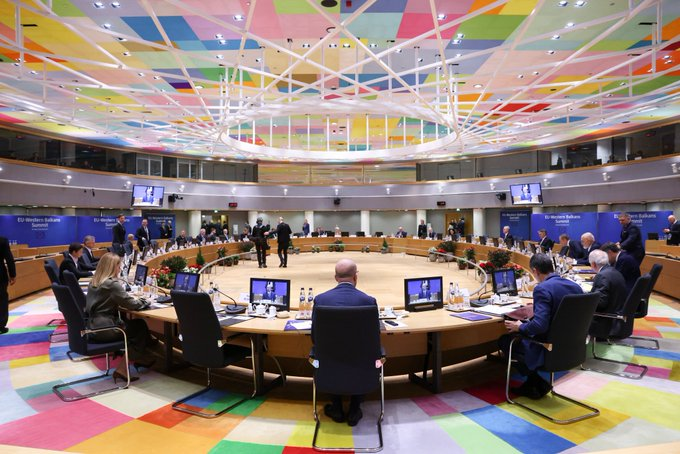
“We have not been sitting idly,” Schuebel noted, stressing the European Union’s proactive stance. “We’re trying to increase our efforts to deliver more and faster ammunition and also air defence material to help Ukraine win this war.”
Asserting confidence in Ukraine’s resilience, Schuebel stated “Russia will not win this war and the minimum of the definition of winning this war is to push back the Russian troops to where they were before 2014.”
Long-Term Risks
Alena Kudzko, Director of GLOBSEC, provided a nuanced analysis of the escalation risks. While acknowledging the short-term unlikelihood of a significant escalation, she warned of the long-term dangers associated with a potential Russian victory, which could embolden further expansionist ambitions.
“Russia does not currently have the capacity to open another front in the short run,” she stressed, dispelling immediate concerns of additional conflicts. “Nor would escalation of the war in the short run would achieve Russia’s objectives,” she added, echoing apprehensions about Moscow’s intentions. However, she highlighted the likelihood that if Russia succeeds in Ukraine, it may seek to extend its reach, stating “Russia’s desire to impose its control as widely as possible has not gone away.”
“The trajectory is that Russia is pretty successfully rebuilding its military, enhancing it, and also adjusting its economy to serve military needs,” she added.
Kudzko highlighted the need for robust international intervention and effective communication strategies to deter Russian aggression and raise public awareness of the long-term risks, including the potential for the most catastrophic form of escalation – the deployment of weapons of mass destruction.
“So, what is being done right now and in the longer term in terms of minimising the risk of escalation? Definitely European countries do not want a war but it’s also at this moment in time Putin is not doing something that would necessitate an escalation or escalatory response from Nato’s side.”
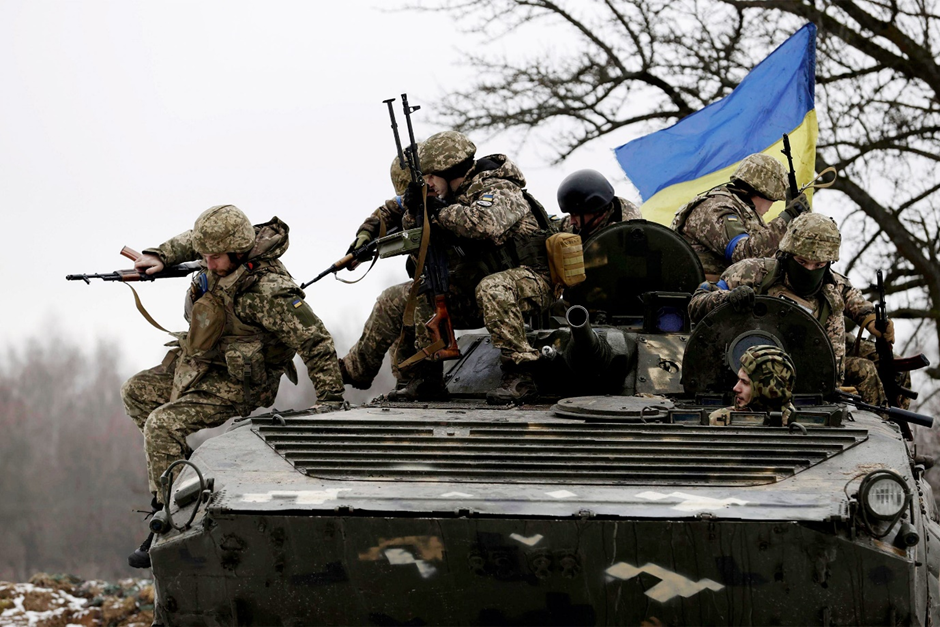
Looking ahead, the long-term impact of the war remains uncertain, with Russia continuing to bolster its military and adjust its economy to serve its military needs. “It’s crucial to distinguish the threat of escalation from the actual intent and capability to escalate,” remarked Kudzko, underlining the complexities of the situation.
As Ukraine’s backers grapple with these challenges, the spectre of a broader conflict looms large. With the war showing little signs of ending soon, the need for concerted international action to prevent escalation and mitigate the risks of regional instability has never been greater. While the immediate risk of escalation may appear low, the underlying dynamics of the conflict warrant sustained attention and proactive measures to address the evolving security challenges.
