

Listen to the article
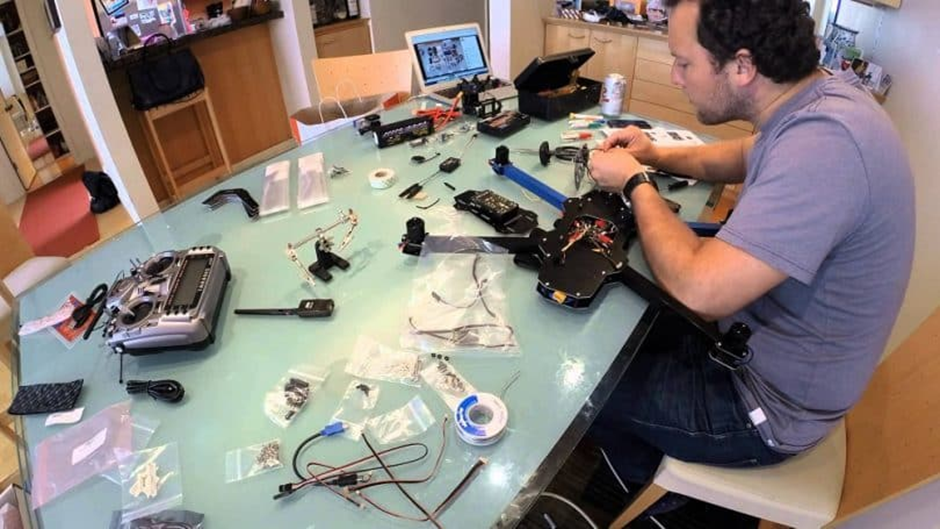
Widely available AI programs coupled with easily accessible materials could allow anyone to build a lethal robot in their own homes for as little as $1,000, according to military science experts.
This unprecedented ease of access to weaponised autonomous technology raises serious national security concerns, with researchers at the Royal United Services Institute (RUSI) pointing to this as the type of weapon most likely to fall into the wrong hands and proliferate.
Paul O’Neill, Senior Research fellow at RUSI, told National Security News that these types of weapons “represent a very high proliferation risk.”
He explained: “Our work suggests that the greatest proliferation risk is that related to simple systems that exploit readily available hardware and software – what we termed the Minimum Viable Product (MVP) paradigm. And we think that there is little that can be done to prevent the proliferation of these systems.”
“The adoption advantage (the value of use) is likely to favour weaker actors such as criminal gangs, insurgents etc.,” he stated.
In a recent conversation at the think tank, research fellow Sam Cranny-Evans said: “The MVP paradigm is really something that a motivated individual with some resource could build at home and there are some very low bars to this.”
He described how online forums like Reddit have full threads dedicated to building sentry paintball guns. These are available to buy online and they aim on their own and shoot anything that moves.
Cranny-Evans said: “It’s far from ideal but they do it autonomously once you power them up.”
Cranny-Evans described how easy it is to get the necessary information and components to build your own autonomous machine, stating: “You can ask another form of AI, Google Gemini, how to build a drone and it will teach you how to build a drone. This is what some Ukrainians are doing and then it is a short step from there to developing autonomous capabilities for that drone.”
“The bar to getting that information is not at all high,” he added.
AI microchips are available, which allow you to train the technology to do what you want it to, with Cranny-Evans giving examples from “computer vision that helps you stop your cat bringing dead things into your house up to recognising tanks, if that’s what you want to train those models to do.”
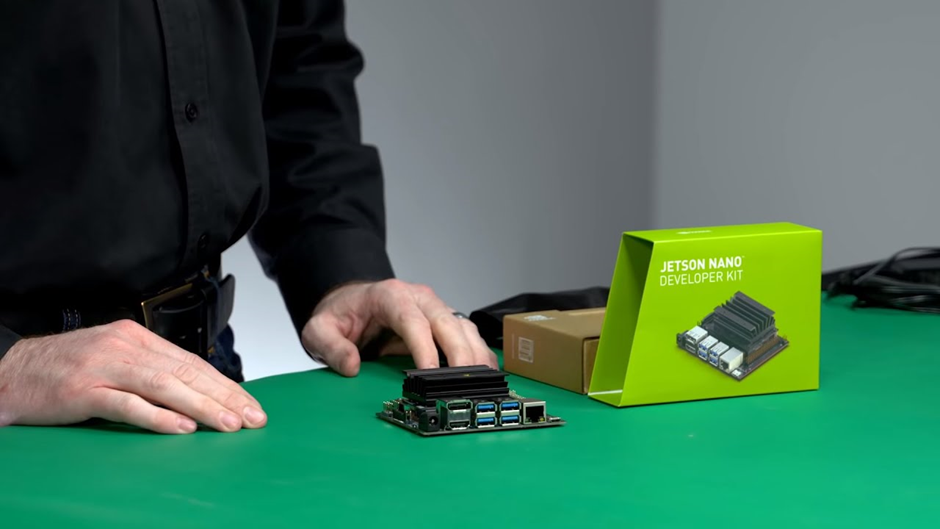
This AI technology, like the Nvidia Jetson is like a mini computer, and is available for around $500. Indicating the low price barrier, Cranny-Evans states, with the cost of building a drone to carry the AI technology ranging from $300 to $700, “depending on how far you want it to fly and how fast.”
“In terms of cost we potentially could have a weapon system with autonomous capability for around $1,000,” he added.
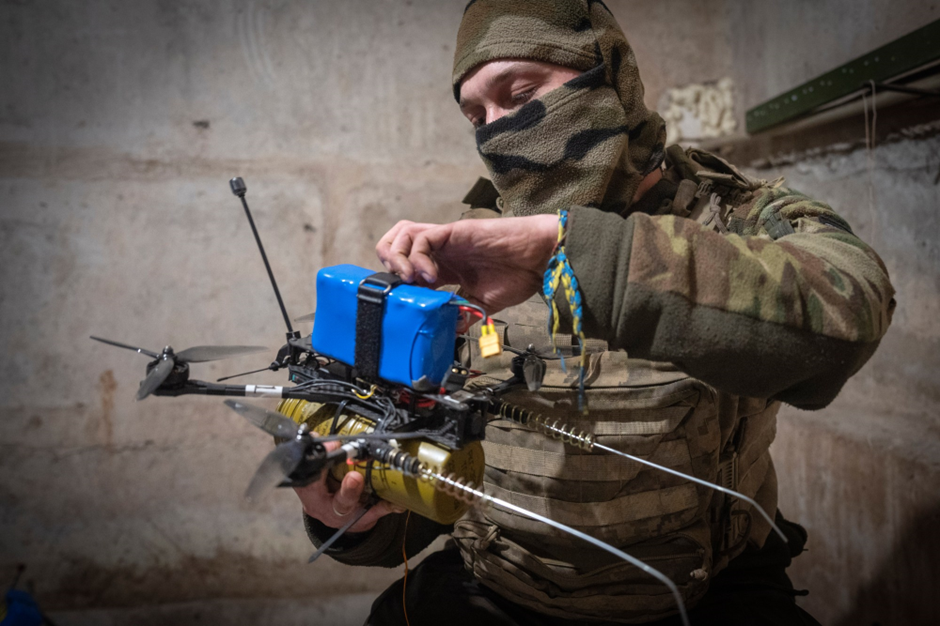
In Ukraine, volunteers with a background in software have been applying AI and publicly available code to help build low-cost weapons like autonomous drones and machine guns.
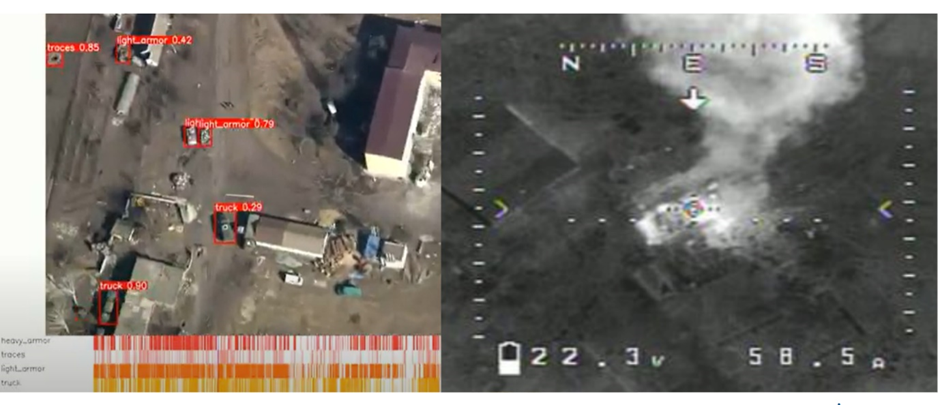
Last year Ukrainians made the Saker Scout drone, capable of autonomously detecting and identifying camouflage Russian vehicles. The drone was approved for combat deployment and can be armed.
O’Neill said to NSN: “I would argue that autonomy is not new, but the risk is that it could become more prevalent. And the likelihood is that the use of autonomous systems will increase as the technology is readily accessible even today. What systems are likely to proliferate is important.”
