


Listen to the article
Tensions between Iran and Israel have reached a fever pitch as Iran’s nuclear capabilities come under intense scrutiny.
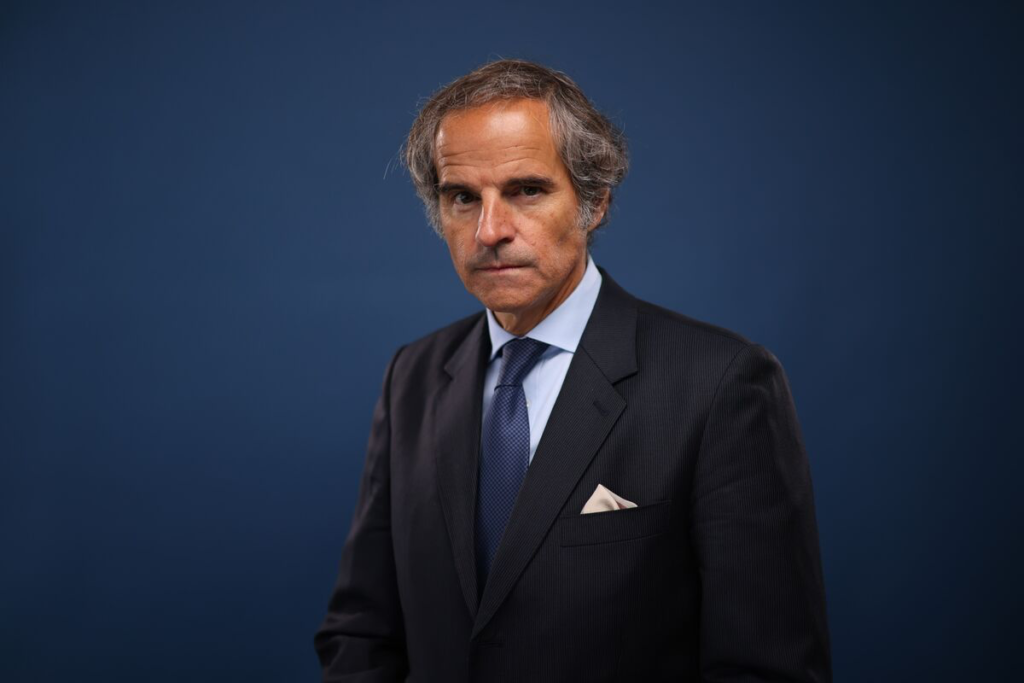
Rafael Grossi, the head of the International Atomic Energy Agency (IAEA), issued a stark warning on Monday regarding Iran’s nuclear activities, suggesting that the country could be on the verge of acquiring a nuclear weapon within a matter of weeks.
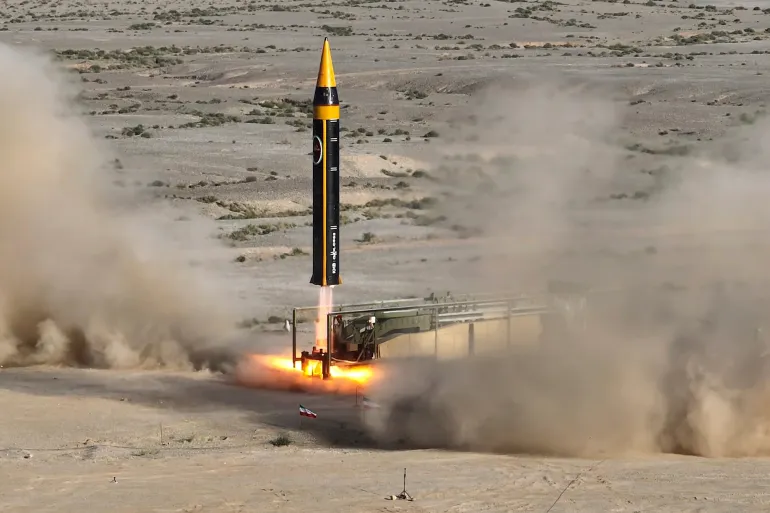
Despite assertions of compliance with the 2015 nuclear deal, formally known as the Joint Comprehensive Plan of Action (JCPOA), Iran’s actions paint a different picture.
The unilateral withdrawal of the United States from the agreement in 2018 triggered a cascade of events, including the reimposition of crippling sanctions on Iran and Tehran’s subsequent breaches of the deal’s restrictions.
Collapse of the JCPOA
The backdrop of this escalating crisis is the Joint Comprehensive Plan of Action (JCPOA), which has been a cornerstone of international efforts to prevent Iran from developing nuclear weapons.
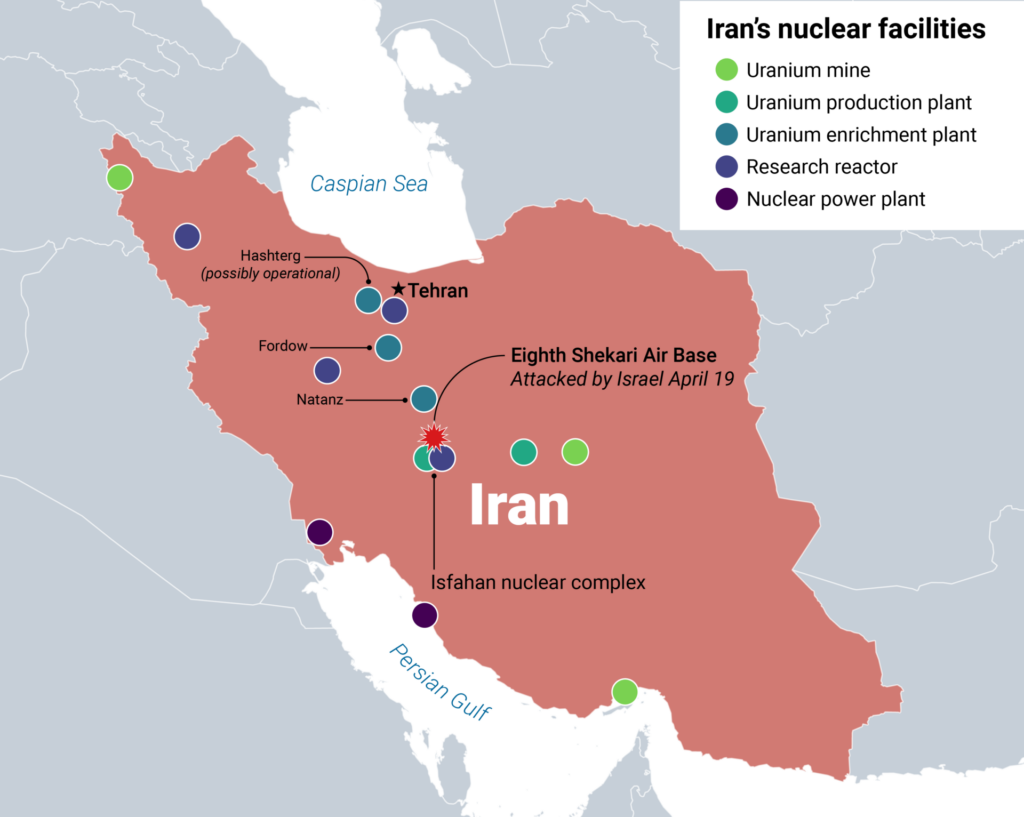
Since 2019, Iran has been in continuous violation of JCPOA terms. It has expanded its uranium stockpile beyond permitted levels, increased enrichment activities to 60% (beyond the JCPOA limit of 3.67%) and resumed activities at previously prohibited nuclear facilities. The International Atomic Energy Agency (IAEA) continues to face increasing challenges in monitoring Iran’s nuclear activities due to Tehran’s non-compliance.
In early 2023, the IAEA reported the discovery of uranium particles enriched to 83.7%, very close to weapons grade, which is around 90%. Iran attributed its violations to the failure of JCPOA signatories to fulfill commitments and deliver sanctions relief, suggesting a willingness to return to compliance if sanctions are lifted.
Breakout Time Assessment
Despite Iran’s claims, France, Germany, the UK, and US reject any civilian justification for Iran’s nuclear programme. Under the JCPOA, Iran’s breakout time – the duration to produce enough fissile material for nuclear weapons – had been estimated at one year. However, recent assessments suggest Iran’s breakout time has reached zero, with enough highly enriched uranium for fission weapons.
Lack of transparency
Despite repeated requests for greater access and visibility into Iran’s activities, the IAEA has encountered resistance from Iranian authorities. This lack of transparency only deepens suspicions and erodes trust in Iran’s nuclear ambitions.
In February, Grossi accused Tehran of presenting an opaque facade regarding its nuclear activities, further exacerbating concerns about the potential militarisation of its nuclear programme.
Statements from Iranian officials
Adding to the unease are recent statements from Iranian officials suggesting that the country possesses the necessary components for a nuclear weapon. Ali Akbar Salehi, a former head of the Atomic Energy Organisation of Iran, claimed that Iran has “everything necessary” to assemble a nuclear weapon “in our hands.”
Meanwhile, last week, a senior Islamic Revolutionary Guard Corps (IRGC) commander signalled a significant shift in Tehran’s stance on nuclear armament.
Brigadier General Ahmad Haghtalab’s statement, conveyed through Iran’s Tasnim news website, marks Iran’s highest-level and most direct warning yet regarding the possibility of abandoning its policy of refraining from building a nuclear bomb.
Such assertions, coupled with Iran’s advances in uranium enrichment, heighten fears of a nuclear arms race in the region.
Implications and Ongoing Diplomacy
The IAEA has expressed its commitment to promoting dialogue and facilitating negotiations to address the escalating nuclear crisis. However, any progress in diplomatic efforts must be accompanied by concrete actions from Iran to demonstrate its commitment to non-proliferation objectives.
Recent developments, including Iran’s direct conflict with Israel and threats to reconsider its nuclear doctrine, underscore the urgent need for diplomatic engagement and de-escalation measures.
As the IAEA prepares to issue its next report on Iran’s nuclear progress in June, the world will be watching closely for any signs of further escalation or diplomatic breakthroughs. In the face of growing uncertainties and rising tensions, concerted international efforts are needed to address the Iran nuclear crisis and uphold principles of non-proliferation and disarmament.
