

Listen to the article
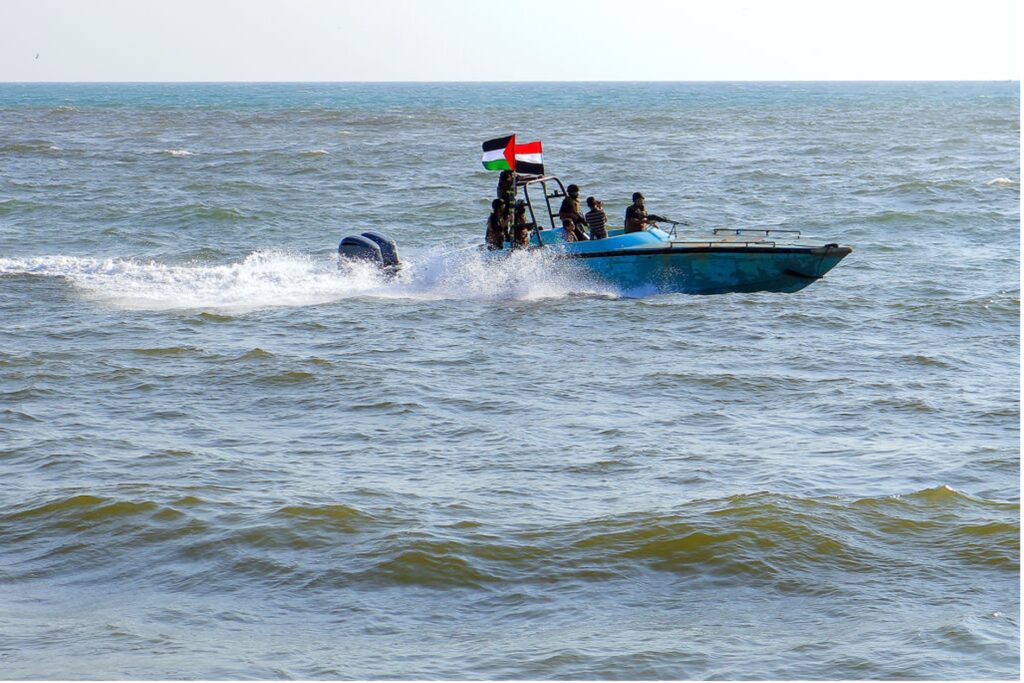
Since the beginning of October, Houthi militants have initiated missile and drone assaults on US forces in the region and Israeli targets in response to the Israel-Hamas war.
The impact is profound because the Red Sea is one of the most important arteries for consumer goods, grain and energy supplies between Europe and Asia. Nearly 15% of global maritime trade passes through the Suez Canal.
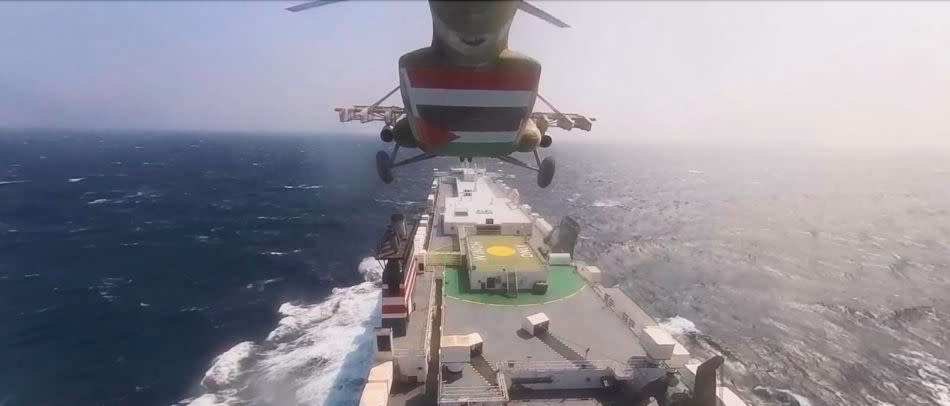
Over 15 commercial vessels have fallen foul to attacks orchestrated by the Iranian-backed Houthi rebels. Notably, on 19 November, the Bahamas-flagged commercial vessel Galaxy Leader was hijacked by helicopter and forced to reroute to the Yemeni-controlled port of Hodeida where the vessel remains.
In a significant escalation, the Houthi’s largest attack came late on Tuesday, marking their 26th assault on commercial and maritime shipping lanes with US and UK warships shooting down a total of 21 drones and missiles in the southern Red Sea.
These attacks have prompted major shipping giants to redirect hundreds of container ships away from the Red Sea and Gulf of Aden, choosing instead to circumnavigate South Africa’s Cape of Good Hope. This reroute has added travel time of 10-14 days, resulting in a 40% increase in transit time causing freight rates and war insurance costs to surge.
On 18 December, US Secretary of Defence Lloyd Austin unveiled Operation Prosperity Guardian, a multinational security initiative aimed at ensuring a safe passage through the region. The operation falls under the auspices of the existing Combined Maritime Forces’ Task Force 153.
Though the Pentagon asserts the involvement of 20 nations, the commitment from some allies appears hesitant, with nearly half choosing to remain unnamed. Some named countries are offering minimal contributions, such as Norway dispatching up to 10 staff officers and the Netherlands providing only two. Although the Department of Defence anticipates the coalition to grow over time, key allies such as Turkey, Germany, Egypt, South Korea, and Japan remain absent. Meanwhile, countries, such as Italy, India, and France have chosen to deploy ships independently, indicating reluctance to publicly align themselves with the US.
While Washington aspires to replicate the success of international anti-piracy efforts in Somalia, distinctions in the nature of the Houthi threat to shipping are evident.
Unlike the clear international mandate received for operations in Somalia, the current situation lacks wider support. The political dimension of Houthi attacks, specifically their attribution to the Israeli operation in Gaza, makes many countries reluctant to join an initiative perceived as taking sides in the conflict. This is particularly true for Middle Eastern and North African states with strong pro-Palestinian sentiments and European countries with significant pro-Palestinian voter bases.
Despite certain setbacks, Operation Prosperity Guardian has achieved some early objectives by assembling a force that in conjunction with other national operations may deter Houthi attacks and mitigate their impact on global shipping. Danish shipping giant Maersk Line, citing the US-led task force, has announced its intention to resume some shipping through the Red Sea with other firms like France’s CMA CGM cautiously following suit.
Questions persist, however, regarding the sustainability of a significant US deployment in the region as new crises emerge, stretching Washington’s resources and potentially paving the way for a resurgence of Houthi attacks. Without a commitment from multiple nations, the assurance of freedom of navigation and safe transit in the Gulf of Aden and Red Sea becomes uncertain. The absence of a clear international mandate and reluctance from key allies presents challenges to the viability of Operation Prosperity Guardian, necessitating substantial adjustments to align with policymakers’ aspirations.
