

Listen to the article
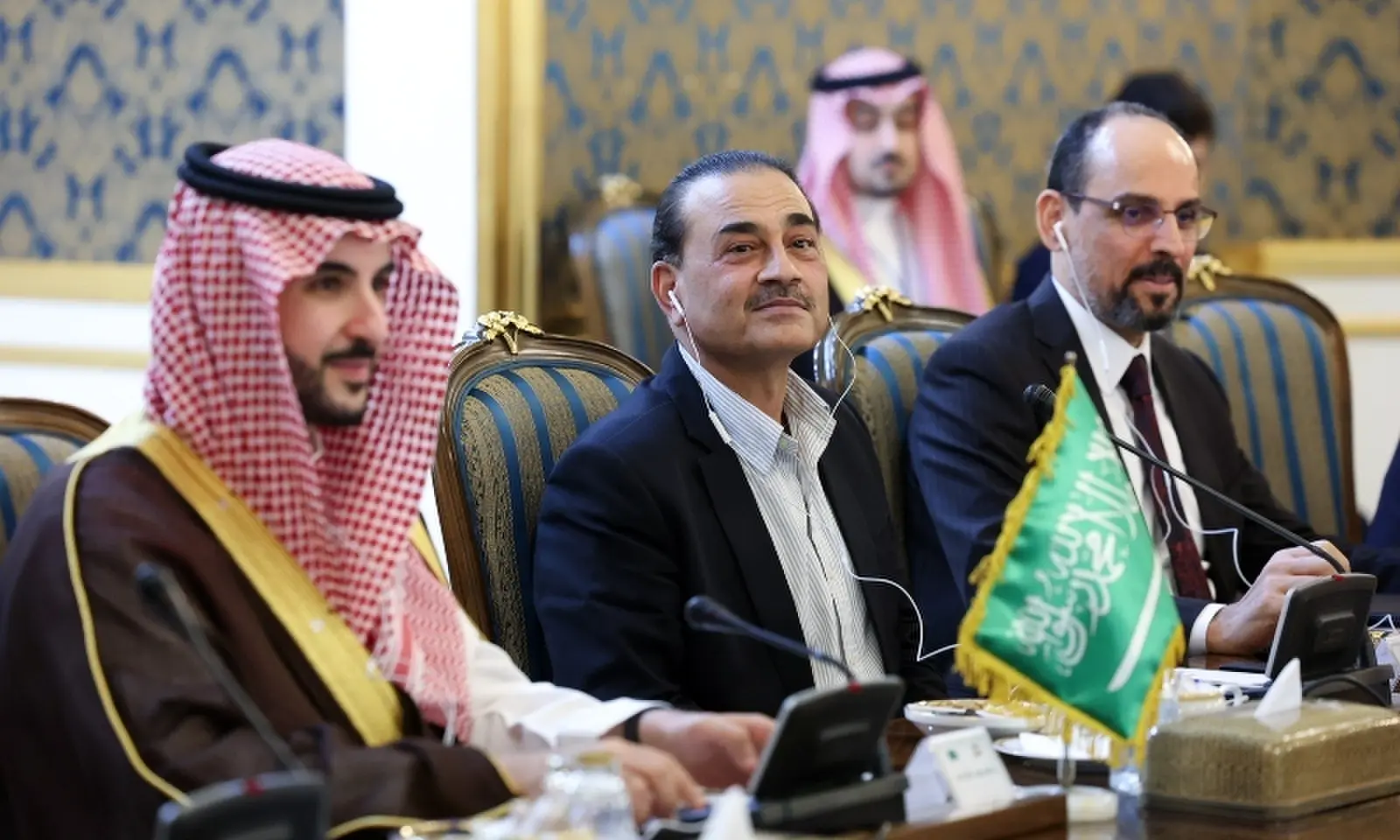
Senior officials from Saudi Arabia, Pakistan and Turkey are holding emergency talks with Iran on Monday amid growing fears that the United States and Israel are preparing to launch a fresh military offensive against Tehran.
The high-level meeting comes as Iran-backed Houthi rebels intensify missile and drone attacks against Saudi Arabia and President Donald Trump threatens further military action against Iran.
Saudi Defence Minister Prince Khalid bin Salman, Pakistan’s army chief Field Marshal Asim Munir and Turkey’s intelligence chief Ibrahim Kalin are attending the talks in Tehran with senior Iranian security officials.
The delegations are also expected to meet Iranian President Masoud Pezeshkian as diplomatic efforts continue to prevent another major escalation in the Middle East.
The talks involve members of the Mecca Joint Defence Agreement, signed in August, which commits Saudi Arabia, Pakistan and Turkey to regard an armed attack against one member as an attack against all three.
The three countries held an emergency meeting in Riyadh earlier this month and agreed to establish arrangements for the rapid deployment of military forces and capabilities to defend Saudi Arabia.
Pakistan ratified the agreement last week, while Turkey has begun parliamentary proceedings to approve the pact.
Iranian Foreign Ministry spokesman Esmaeil Baghaei said the discussions would cover regional security, Israeli military operations and developments in Palestine and Lebanon.
He said the talks could lay the foundations for a regional security framework involving countries across the Middle East.
Saudi Deputy Minister for Public Diplomacy Rayed Krimly said the meeting was intended to reduce tensions and support diplomatic initiatives led by Pakistan and Qatar.
Krimly said: “The visit also underscores the pivotal role of the Mecca Pact states in fostering regional security and stability.”
The meeting was proposed during a visit to Tehran last week by Field Marshal Munir, who met President Pezeshkian and other senior Iranian officials.
Iranian media reported that Tehran had told the Pakistani military chief it would not resume direct negotiations with Washington until its demands were met.
Pakistan and Qatar previously helped negotiate an interim peace agreement in June, but the arrangement collapsed after fighting between Iran and the United States resumed several weeks later.
Qatari mediators also met Iranian officials in Tehran on Sunday in another attempt to prevent further military escalation.
The latest diplomatic efforts follow a series of attacks against Saudi Arabia by Yemen’s Iran-backed Houthi movement.
Saudi air defences intercepted another wave of missiles and drones on Sunday.
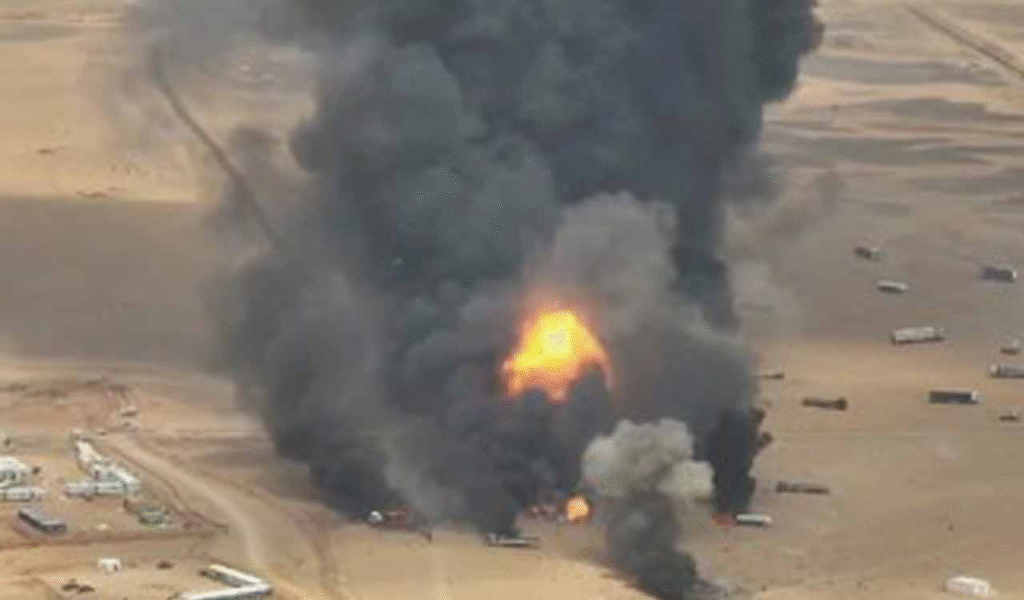
In September, Houthi attacks struck an airbase at Khamis Mushait and oil infrastructure in nearby cities, injuring 73 people.
Pakistan subsequently delivered a Saudi warning to Tehran demanding that Iran restrain its Houthi allies.
Tensions between Washington and Tehran have also increased following renewed threats of military action.
Trump said on Friday that the United States might launch another operation against Iran, while Iranian leaders warned that further American attacks would be met with a stronger military response.
The Wall Street Journal has reported that Washington is reinforcing its military presence in the region, including the deployment of an additional aircraft carrier strike group and Marines.
The newspaper also reported that Israel had prepared plans for a renewed bombing campaign against Iranian targets.
The United States holds congressional midterm elections on November 3, while Israel is preparing for elections on Tuesday.
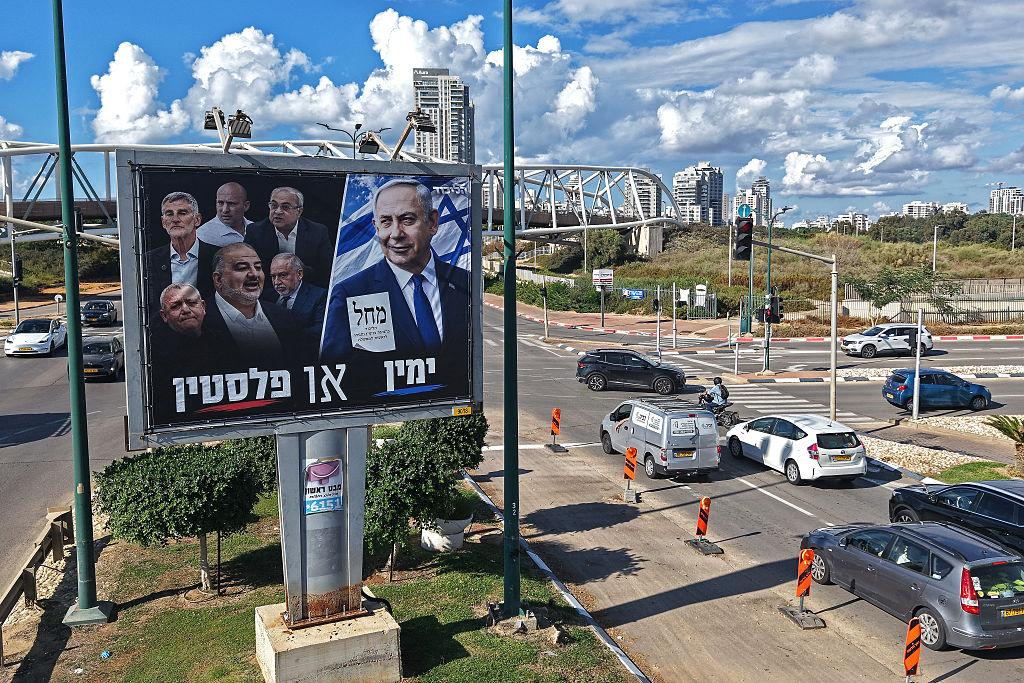
Israeli Prime Minister Benjamin Netanyahu warned on Sunday that Iran or its regional allies could launch attacks ahead of the Israeli vote.
He said Israeli forces were prepared to respond to further military action and threatened heavy retaliation against any attack.
Iran has separately warned that another American or Israeli offensive could trigger attacks against energy installations, telecommunications cables and other infrastructure across the Gulf.
Iranian security officials have told Reuters that contingency plans include strikes against undersea communications cables used by countries across the region.
A US intelligence memorandum reported this month also warned that Iranian plots targeting American personnel had reached advanced stages.
The conflict has disrupted shipping through the Strait of Hormuz, a major route for international oil and gas exports, and contributed to higher global energy prices.
Previous Iranian proposals for a settlement have included reopening the strait, ending regional hostilities and resuming nuclear negotiations in exchange for sanctions relief and the release of frozen Iranian funds.
Washington has not accepted those terms, and no new agreement has been announced.
Monday’s meeting is expected to address the continuing Houthi attacks, the possibility of renewed US-Iranian hostilities and proposals for a regional security arrangement involving the three Mecca Pact countries and Iran.
