

Listen to the article
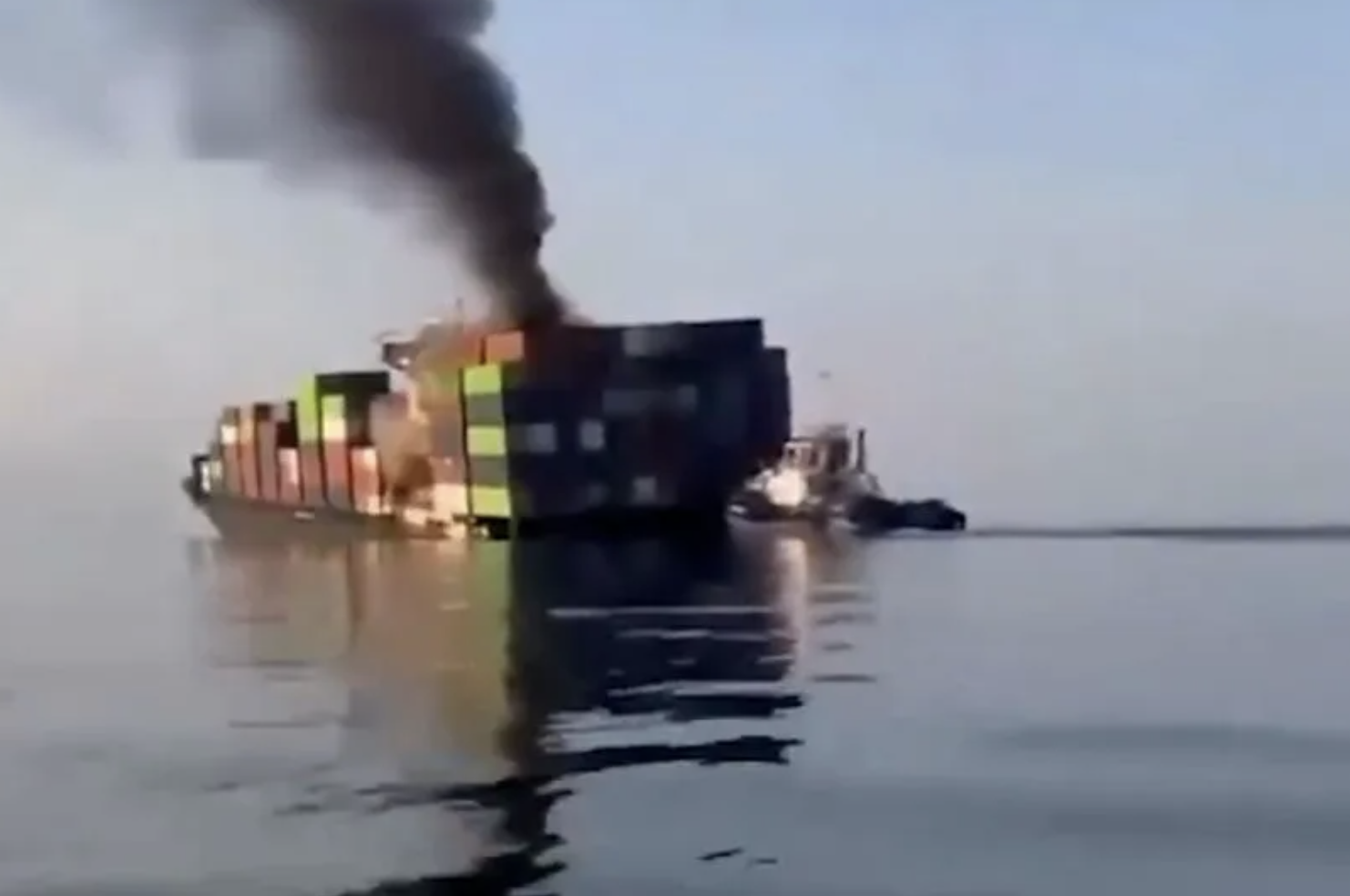
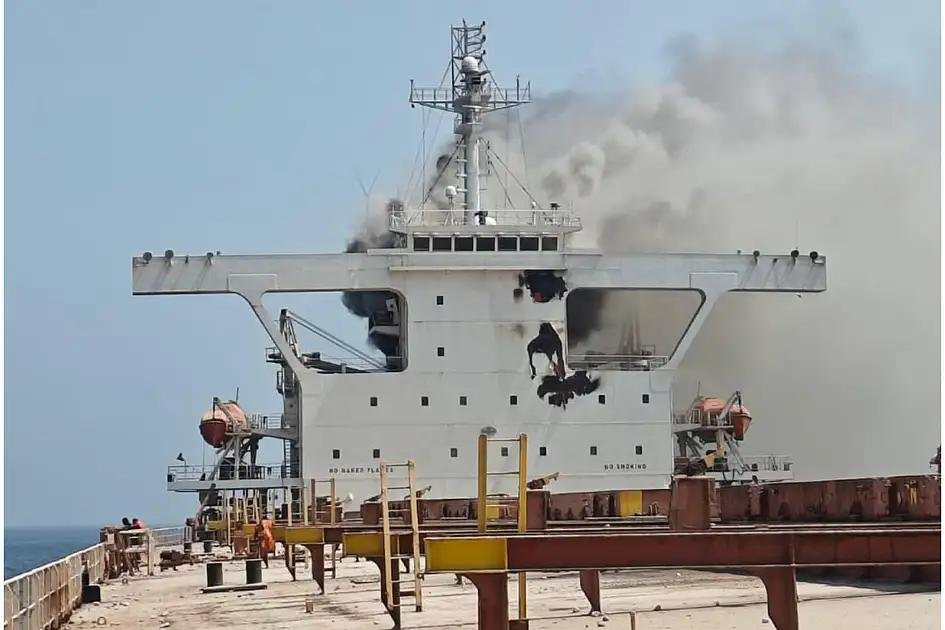
Iran has intensified its attacks on commercial shipping in the Strait of Hormuz, with two cargo vessels sinking in the latest wave of violence in the waterway.
The surge comes less than three weeks before the US midterm elections, with Iranian officials revealing that Tehran is deliberately increasing attacks to keep oil prices high and put pressure on President Donald Trump.
Two senior Iranian officials told Reuters that Tehran had changed its military tactics to step up attacks and extend their reach, partly to influence the November 03 elections.
One official said: “The aim is to frustrate efforts by the United States and its allies to bring down global oil prices.”
A second official warned: “Just when they think they are getting close to the point where prices will fall, we will push them away from it. This is a game of chess.”
The Singapore-flagged container ship GFS Pride sank after being struck by a projectile on Tuesday, while the Antigua and Barbuda-flagged bulk carrier Cape Dao sank on Wednesday after sustaining damage in an attack last month.
All 21 crew members aboard the GFS Pride were evacuated safely. One crew member aboard the Cape Dao was killed in the earlier attack.
The sinkings follow a surge in Iranian strikes, with 12 vessels attacked between October 05 and 11, including six on Sunday alone, according to figures reported by Iran International.
Iran has restricted passage through the strait since the US and Israel launched military operations against the country on February 28, using the strategically important waterway as leverage against Washington.
Before the war, approximately one fifth of global oil and liquefied natural gas trade passed through the strait.
The latest attacks threaten to reverse a recovery in Gulf oil shipments that had begun to weaken Tehran’s ability to disrupt global energy supplies.
According to maritime intelligence firm Kpler, oil shipments through Hormuz reached approximately 15.5 million barrels per day in September, their highest level since the war began.
However, shipments fell to just 2.9 million barrels on October 11, the lowest daily figure recorded that month, according to figures cited by Iran International.
The decline comes as the US naval blockade has effectively halted Iranian crude exports, while other Gulf producers have managed to restore much of their shipments.
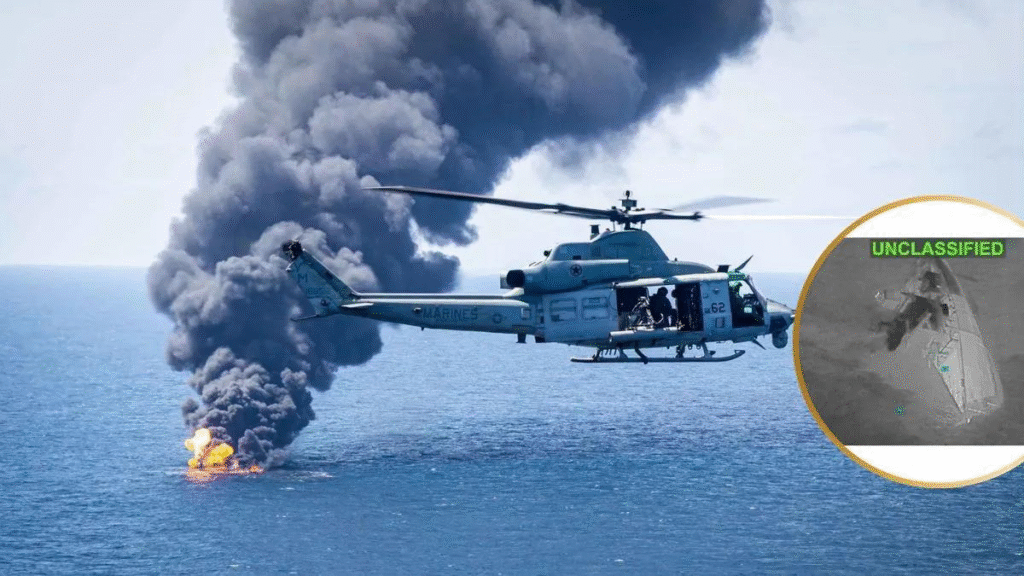
Tehran has also stepped up its threats against American forces.
Rear Admiral Ali Azmaei of Iran’s Islamic Revolutionary Guard Corps (IRGC) Navy warned on Tuesday that Iranian forces would sink US warships approaching the strait, saying they were “counting down” to a possible confrontation.
Iranian forces have also changed their surveillance tactics following extensive damage to the country’s military infrastructure.
A US military official told Reuters that the IRGC had begun using unarmed spotters aboard small boats to identify potential targets after US strikes destroyed much of Iran’s radar capabilities.
Attacks have also spread beyond the Strait of Hormuz into the Gulf of Oman and waters near Qatar and the United Arab Emirates.
One Iranian official warned that Tehran could tighten restrictions further.
“It will be complete closure soon,” the official said.
The sustained attacks present a political challenge for Trump, who has indicated that Washington will not launch another military offensive against Iran before the midterm elections.
Charlie Brown, a maritime security expert with United Against Nuclear Iran, suggested that Washington’s restraint was encouraging Tehran to intensify its operations.
“Every attack that goes without a response probably encourages a follow-on attack,” Brown told Iran International.
Higher oil prices threaten to increase inflationary pressure on American consumers at a politically sensitive moment for the White House.
Despite the escalation, Trump has indicated that Washington could soon decide how to respond.
“We’ll make a decision on Iran very soon,” Trump told reporters on Tuesday.
The confrontation comes as Washington considers whether to become more directly involved in Saudi Arabia’s military campaign against the Iranian-backed Houthis in Yemen.
Recent Houthi missile and drone attacks on Saudi Arabia have exposed weaknesses in the kingdom’s air defences and added to pressure on the US to support its regional ally.
Trump has warned that American forces could join the campaign, although analysts believe he may prefer to delay any major military intervention until after the November elections.
The threats to the Strait of Hormuz and the Bab el-Mandeb Strait, which connects the Red Sea to the Gulf of Aden, risk further disrupting international trade and energy supplies.
For Tehran, the strategy appears designed to exploit Trump’s reluctance to escalate militarily before the elections while maintaining pressure on global energy markets.
