

Listen to the article
The man who ran Chávez’s secret channels to Havana, Tehran and Pretoria is now talking to Manhattan prosecutors. That changes the arithmetic of the trial.
By André Pienaar
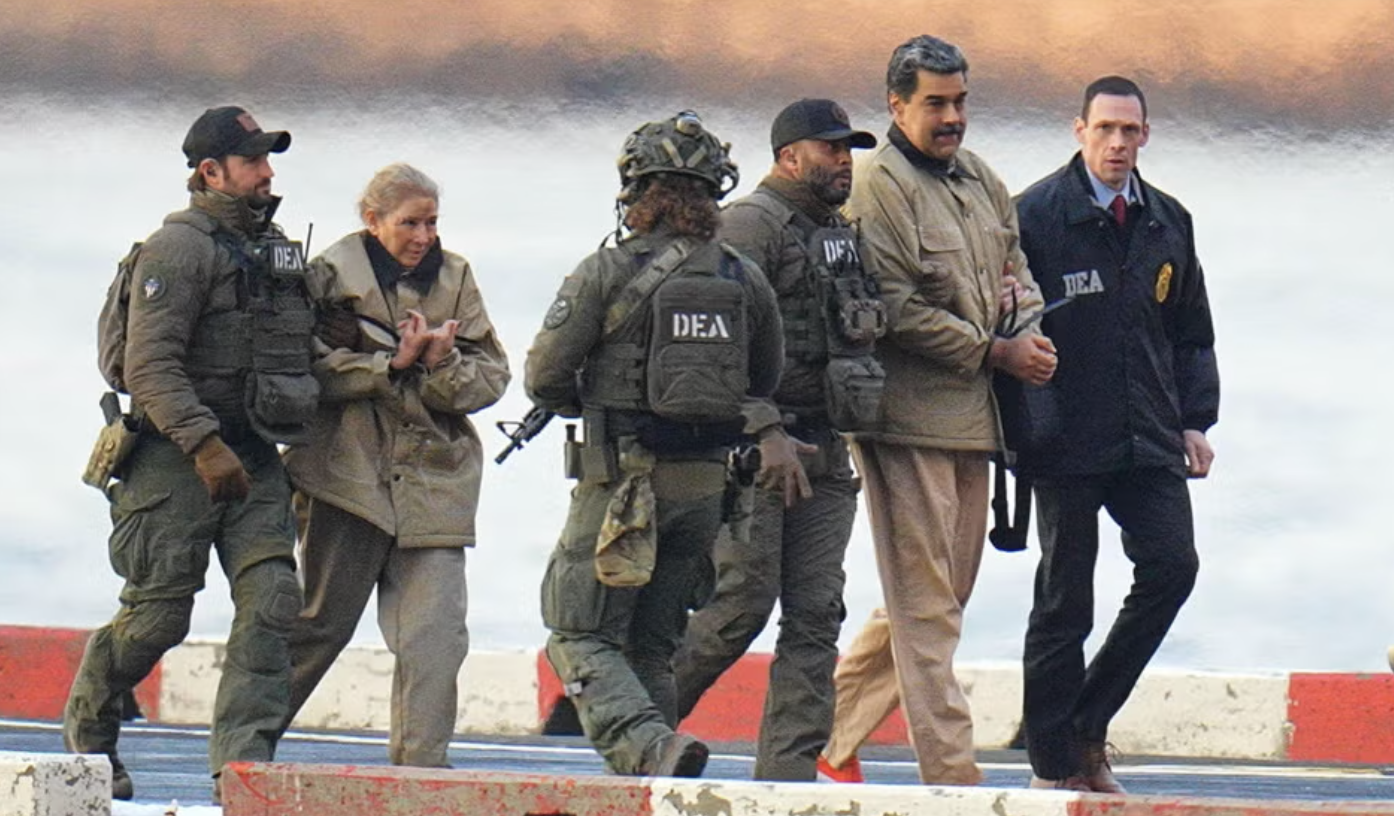
On Thursday, Nicolás Maduro stood shackled at the ankles before Judge Alvin Hellerstein in the Southern District of New York and refused, twice, to enter a plea to the new charge that he and his wife had presided over a state torture machine. He denounced the indictment, through an interpreter, as “false accusations and false testimony.” The judge entered the not-guilty plea for him and set the trial for 14 June 2027.
Those two words, “false testimony,” told the courtroom what Maduro fears most. The torture count unsealed on 8 October is built not only on documents and the accounts of victims but on a witness who sat in the room when the orders were given. That witness is Major General Hugo Armando Carvajal Barrios, for the better part of a decade, Hugo Chávez’s spymaster, known across Venezuela as El Pollo, the Chicken. The decision by the United States Attorney, Jamie McDonald, to build the case around him and around the living victims of the DGCIM is the right one, and it is why the prosecution now holds the stronger hand.
The man who ran the machine
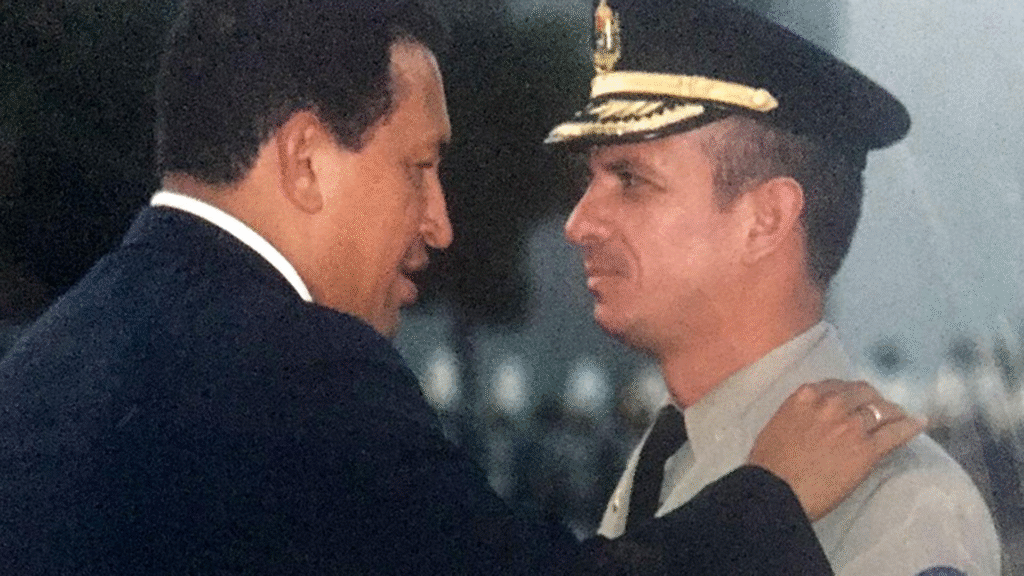
Carvajal was born in 1960 in Puerto La Cruz on Venezuela’s Caribbean coast and entered the Military Academy in Caracas, where in 1980 his instructor was a young paratroop officer named Hugo Chávez. The bond formed there ran through the rest of his career. In February 1992 he joined Chávez’s failed coup against President Carlos Andrés Pérez, was amnestied two years later, and rose with his old teacher when Chávez took power in 1999.
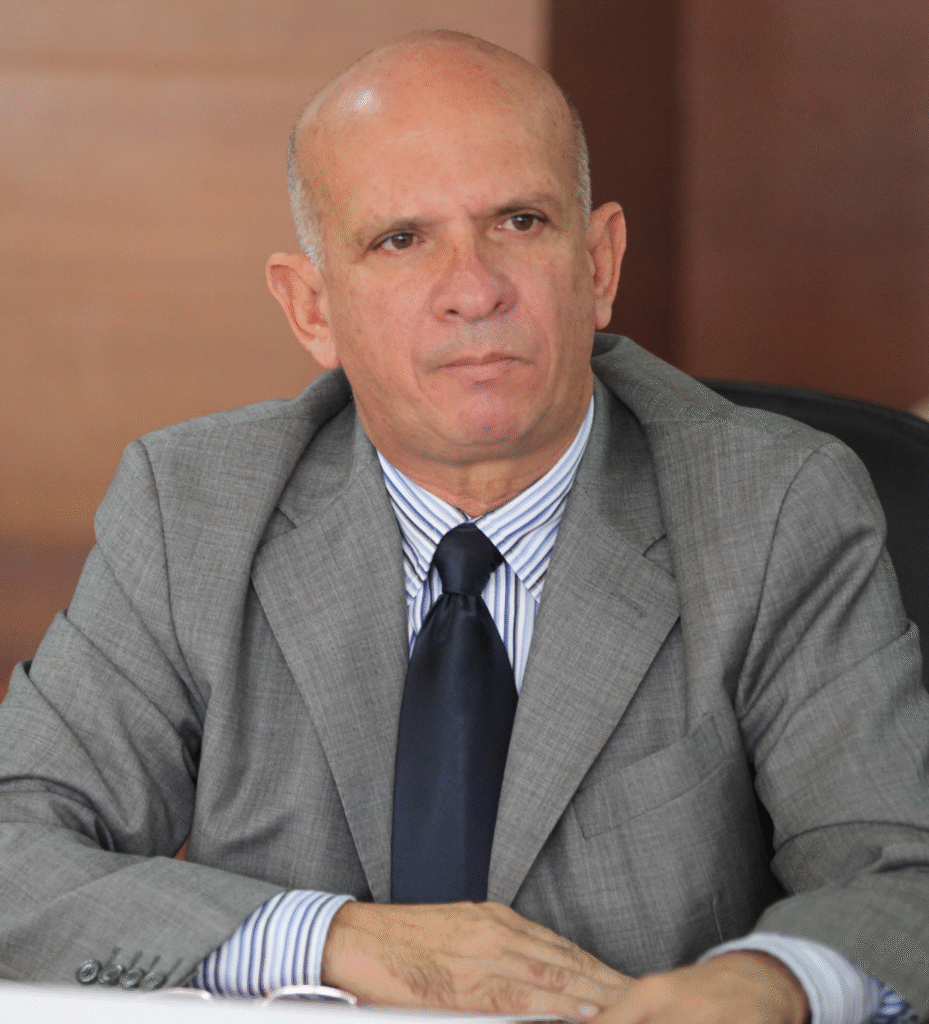
In July 2004 Chávez made him Director of Military Intelligence, the DIM, which would later be renamed the DGCIM. He held the post until December 2011, returned to it briefly in 2013 and 2014 under Maduro, and in between ran the National Office against Organised Crime and the Financing of Terrorism, an irony that was not lost on Washington. In September 2008 the US Treasury sanctioned him for arming, documenting and protecting the FARC. Colombia sought him for the torture and murder of two of its agents. When he was detained in Aruba on a US warrant in July 2014, Maduro closed Venezuelan airspace to the island, sent four warships towards its coast and secured his release within a week. No ordinary general commands that kind of loyalty from a head of state.
The reason is that Carvajal was far more than a counter-intelligence chief.
During the years when Maduro served as Chávez’s foreign minister, from 2006 to 2013, Carvajal was the discreet channel through which the Bolivarian state conducted the relationships it did not want its diplomats to own. With Havana, he managed the integration of Cuban intelligence officers into the DIM and the presidential security detail, an arrangement that gave the Cuban G2 a standing presence inside Venezuela’s security core that persists to this day. With Tehran, he handled the security side of the alliance Chávez and Maduro built with the Islamic Republic: the Conviasa air bridge between Caracas, Damascus and Tehran, the Revolutionary Guard and Hezbollah personnel who moved along it, and the Venezuelan identity documents that gave them cover. In southern Africa, the general was the point of contact in the regime’s longstanding relationship with the African National Congress (ANC), a relationship Chávez first cultivated in the language of anti-imperialist solidarity and Maduro deepened as foreign minister and then president. According to the general, Maduro used Venezuelan oil money to make payments through clandestine channels to ANC leaders for political cover for the regime in the United Nations and to develop joint projects between South Africa, Venezuela, Iran and Cuba.
That is the man who now says he wants to tell the full truth. In 2019 he broke with Maduro, declared for Juan Guaidó in a video message, and fled. Spain arrested him in Madrid in April 2019, released him, lost him for two years, re-arrested him in September 2021 and extradited him to New York in July 2023 after the European Court of Human Rights declined to intervene. On 25 June 2025, five days before trial, he pleaded guilty to narco-terrorism conspiracy, cocaine importation and weapons charges. He faces a potential life sentence. His sentencing has since been postponed three times, most recently on 16 April this year without a new date. Prosecutors do not leave a guilty co-defendant unsentenced for eighteen months unless he is working for them.
What he brings to the case
In December 2025, weeks before US forces lifted Maduro and Cilia Flores from their home in Caracas, Carvajal wrote directly to President Trump. His letter set out, in a few pages, what a decade of congressional hearings and intelligence assessments had struggled to establish on the record: that Chávez deliberately recruited narcotics kingpins and armed criminal gangs, Tren de Aragua among them, as instruments of state; that Maduro inherited this structure and expanded it, exporting criminality and chaos abroad; that cocaine was conceived in Caracas as a weapon aimed at the United States; and that Cuban intelligence, Hezbollah and the FARC were partners in the enterprise. He said he wished to atone by telling the full truth so that the United States could protect itself from the dangers he had witnessed.
The indictments since then bear his fingerprints. The January superseding indictment, unsealed as Maduro landed in New York, added for the first time an allegation tying Maduro to Tren de Aragua as a trafficking vehicle, tracking Carvajal’s letter almost exactly. The October indictment names the DGCIM repeatedly as the instrument of a torture system that used electric shock, asphyxiation, rape, forced nudity, starvation and threats against prisoners’ children, and alleges that Maduro personally suggested methods, demanded updates on named detainees, watched a forced confession on video and laughed when told of prisoners’ suffering. Flores, a former attorney general, is alleged to have ordered the torture of specific individuals. The Associated Press reports that the indictment appears to rely in part on Carvajal’s account and that he has been meeting prosecutors since his plea.
Why the strategy is sound
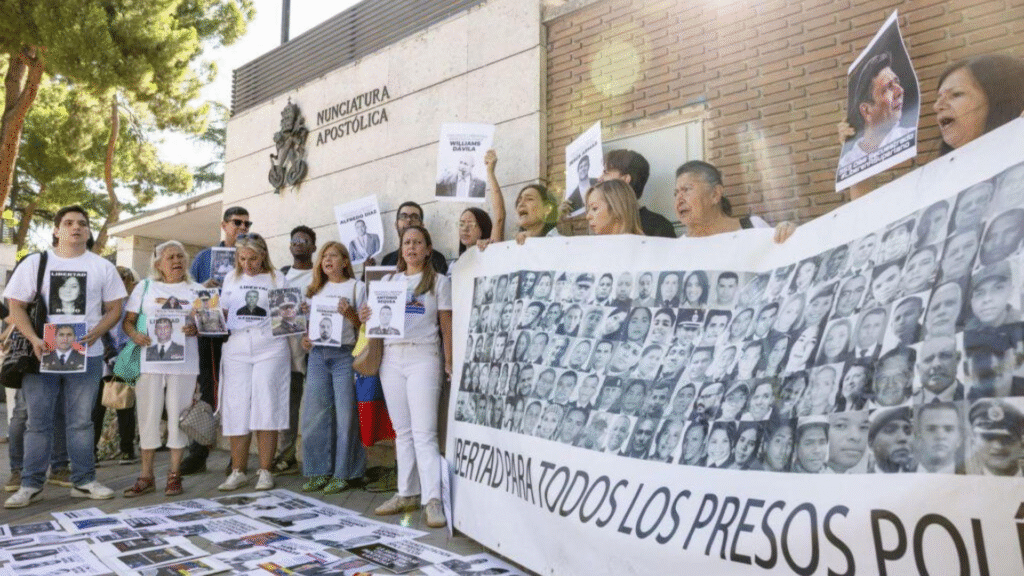
The Department of Justice has done three things right. First, it has not asked Carvajal to carry the case alone. The torture count, brought under the federal statute that reaches torture committed anywhere in the world once the accused is on American soil, allows prosecutors to put living victims before the jury: the three Americans described in the indictment, one of them matching Osman Khan, held for eight months and subjected to electric shocks; and the Venezuelans who can speak to the deaths of Raúl Baduel in custody and of Fernando Albán, the opposition councillor who went out of a tenth-floor window at SEBIN headquarters in 2018. Carvajal supplies the chain of command; the victims prove the crimes. That combination is exactly how a well-constructed conspiracy case is meant to work.
Second, the torture count insulates the prosecution against the weaknesses of the drug case. Veteran litigators warned in January that the cocaine conspiracy was thin on documents directly implicating Maduro and that classified material would complicate every step. Torture does not depend on intercepts or ledgers. It depends on bodies, medical records and the testimony of people who were in the cells. Third, the prosecution has moved with discipline: the new count was unsealed on the day Flores’s bail application failed, the trial date slipped by only two weeks, and Barry Pollack, Maduro’s own counsel, conceded in court that the schedule was aggressive but achievable.
There is a broader point. For twelve years the victims of the Maduro state had documentation without justice. The International Criminal Court (ICC) opened an investigation in 2021 but issued no warrant. Argentina issued one in 2024 but it could not be executed. The statute now being used against Maduro produced a sixty-year sentence last month for an Assad-era prison chief in another US court and a conviction last year of a Gambian death-squad member. It is a working legal instrument, and the US Government is finally bringing justice to the victims by using it.
What to watch
Three signals will show how well the strategy is holding. First, whether the Department of Justice formally confirms a co-operation agreement with Carvajal, which it will have to do well before June 2027. Second, whether further former officials follow him, as Clíver Alcalá did before him, through deportation or surrender, to plead and corroborate. Third, how Judge Hellerstein rules on the defence’s head-of-state immunity motion, the one procedural question that could still take the case away from the jury.
Anyone who has built a prosecution-led investigative unit knows the value of the insider who turns. This is how Al Capone was convicted. The craft lies in finding the terrain he describes in the evidence of others. In this case the terrain is covered with the testimony of the tortured, and the map was drawn by the man who once guarded the regime’s darkest rooms and its most sensitive foreign and clandestine co-conspirators. Maduro, in his own outburst, has told us where he thinks the danger lies. Not in the paperwork. In the testimony.
