

Listen to the article
Egypt is planning to send troops to Saudi Arabia to help defend the kingdom against escalating missile and drone attacks by Yemen’s Iran-backed Houthis.
The country’s president, Abdel Fattah el-Sisi, has requested parliamentary approval for a possible deployment, with politicians expected to vote on Tuesday after three days of deliberations.
The proposed mission would bring Cairo closer to direct military involvement in the widening regional conflict, as attacks on Saudi infrastructure and shipping routes threaten the interests of both countries.
Egypt and Saudi Arabia have longstanding political, economic and military ties. Riyadh has been one of Cairo’s most important financial backers, providing billions of dollars in aid, central bank deposits and investments since the removal of President Mohamed Morsi in 2013. Saudi Arabia and other Gulf states also employ large numbers of Egyptian workers, whose remittances provide vital foreign currency for an economy struggling with inflation and rising food and fuel costs. The kingdom’s stability is therefore closely tied to Egypt’s own economic security.
Both countries also depend on secure shipping through the Red Sea. Houthi attacks have forced commercial vessels to divert around southern Africa, reducing traffic through the Suez Canal and depriving Egypt of billions of dollars in revenue. Saudi Arabia faces mounting threats to its oil facilities, airports and export routes. Cairo’s security concerns have also grown since a drone strike targeted two gas vessels at the Mediterranean port of Damietta in July, highlighting the risk of the wider conflict reaching Egyptian territory.
Egyptian MP Mostafa Bakry said: “For us, Saudi Arabia is an integral part of Egypt’s own national security, and any threat to its security and stability is also a threat to us.”
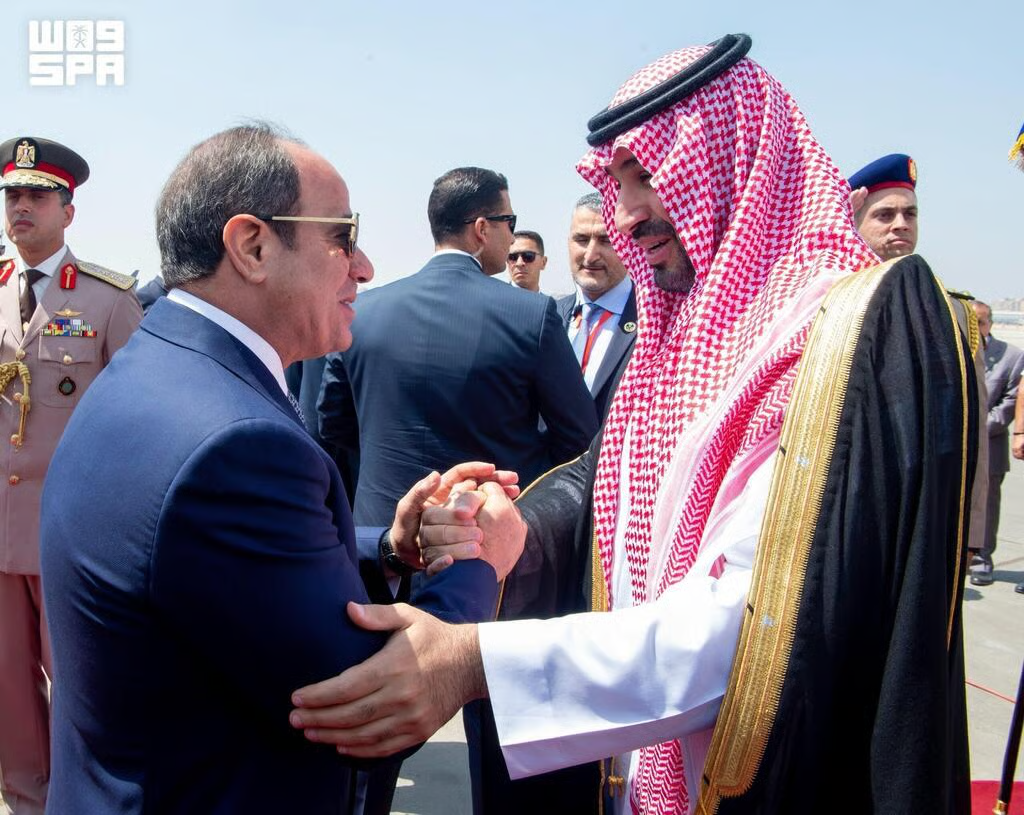
Saudi Crown Prince Mohammed bin Salman visited Cairo on September 15 for talks with el-Sisi, with both leaders reaffirming their commitment to maritime security and freedom of navigation.
Egypt has so far avoided a direct combat role in the regional war, despite supporting its Gulf allies. It previously joined the Saudi-led coalition that intervened in Yemen in 2015, providing naval and air support without deploying ground forces.
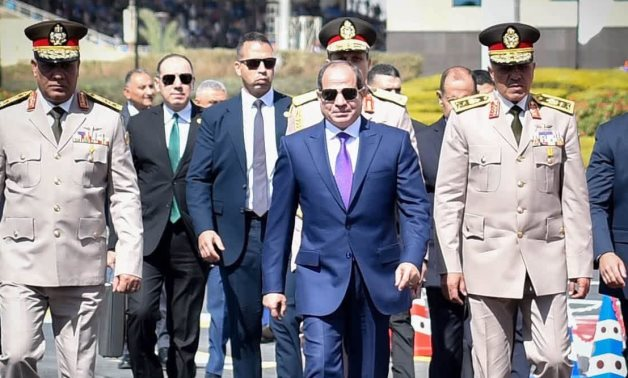
Speaking at the Egyptian Military Academy on Saturday, el-Sisi said: “It is inconceivable that we would allow Saudi Arabia, its security or stability to be harmed.”
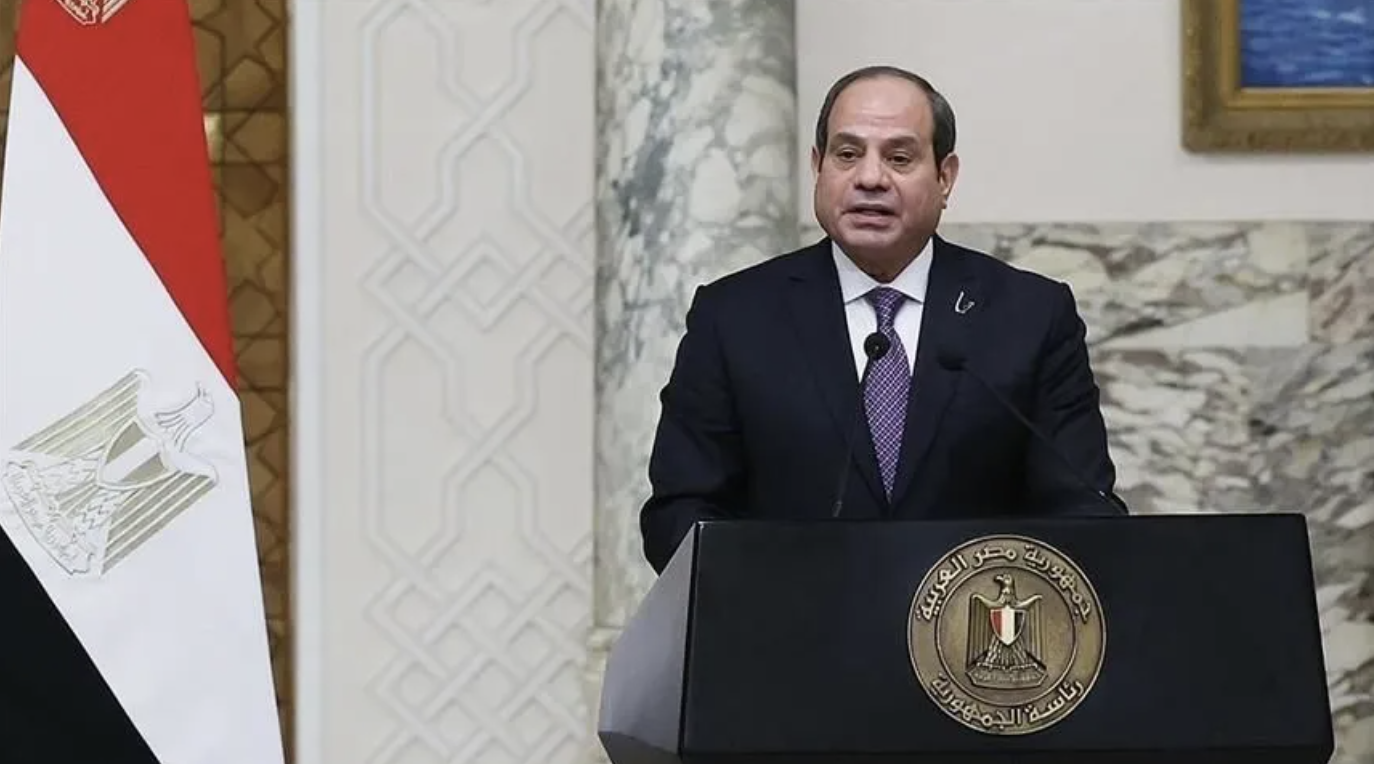
The president added: “I know this requires the approval of the Egyptian parliament, and I ask that an emergency session be held so that it can give us that authorisation if we are asked.”
Under Article 152 of the constitution, sending armed forces on a combat mission abroad requires a two-thirds parliamentary majority, or at least 398 votes in the 596-member House of Representatives.
Politicians began deliberations on Sunday but postponed the vote after MPs requested further details about the mission.
The National Defence Council subsequently pledged support for Saudi Arabia in protecting its borders. Bakry said the council had approved a defensive deployment, although its official statement did not explicitly authorise sending troops.
Any deployment remains conditional on a formal request from Riyadh, which has not been publicly announced.
According to Reuters, Egyptian military involvement would likely focus on air defence and naval support rather than ground operations inside Yemen.
Lebanon’s Al-Akhbar newspaper reported on Monday that Egyptian military personnel had already arrived in Saudi Arabia.
The newspaper reported: “Cairo is preparing to officially send forces to the kingdom after weeks of undeclared military presence, while refusing to participate in operations inside Yemen.”
Citing unnamed military sources, Al-Akhbar claimed Cairo was preparing to send additional air defence batteries and provide logistical support to protect critical infrastructure.
The claims have not been independently verified, and Egyptian authorities have not confirmed an existing deployment.
The discussions follow weeks of Houthi attacks on Saudi Arabia, including strikes targeting Riyadh’s King Khalid International Airport and facilities operated by state oil company Saudi Aramco.
The airport attack killed at least 13 people and injured hundreds more, disrupting flights and raising concerns about the kingdom’s defences.
The Houthis say their attacks are retaliation for Saudi military operations and restrictions imposed on Houthi-controlled areas of Yemen.
On Monday, a Houthi missile strike on a government military training camp in Yemen’s Shabwa province killed at least 53 people and injured around 200, according to local authorities cited by Reuters.
Local sources said three ballistic missiles struck security forces during a training exercise.
Mohammed al-Bukhaiti, a member of the Houthi political bureau, warned Cairo against intervention, recalling the heavy losses suffered by Egyptian forces in Yemen during the 1960s.
He told Al-Araby television: “We do not expect Egypt to become involved in aggression against Yemen. Egypt is bigger than that.”
Egypt deployed tens of thousands of troops to Yemen between 1962 and 1968, suffering heavy casualties in a prolonged war against royalist forces.
The experience remains a warning for Cairo as it considers another military commitment involving Yemen.
Parliamentary deliberations are expected to conclude on Tuesday, when MPs could authorise el-Sisi to deploy forces if Riyadh formally requests assistance.
