

Listen to the article
Cold chains have become a soft target for attacks on our food security and biosecurity by the axis of aggressors. Our policy response need to factor this in urgently.
By André Pienaar
For most of the twentieth century, the refrigerator was a domestic appliance. Today it is increasingly critical to national infrastructure. The machines that keep vaccines, plasma and frozen food at safe temperatures are networked, remotely managed and, too often, reachable from the internet. Over the past two years that exposure has produced real consequences, and the record is worth analysing closely before drawing conclusions.
The record
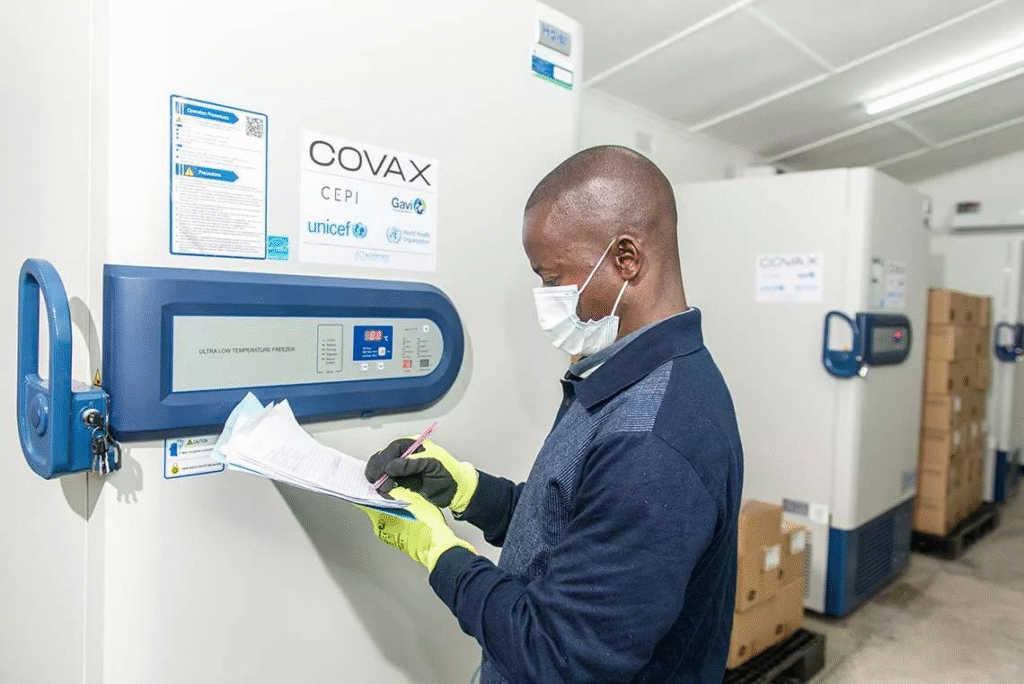
The cold chain was on hostile radars before the current wave. In 2020 while I helped to lead the Cyber Alliance for the Protection of our Healthcare, a voluntary group of cybersecurity professionals that supported the cybersecurity of the healthcare sector during Covid on a not for profit basis, IBM’s X-Force team reported a phishing campaign against organisations tied to the COVID-19 vaccine cold chain. The cyber attacks spanned six countries and was focused on Gavi’s Cold Chain Equipment Optimisation Platform. The phishing emails sent to targets impersonated an executive at a Chinese cold-chain company asking for assistance. The same group of hackers targeted hospitals, particularly small hospitals, and first aid responders worldwide. It continued from 2020 until 2023.
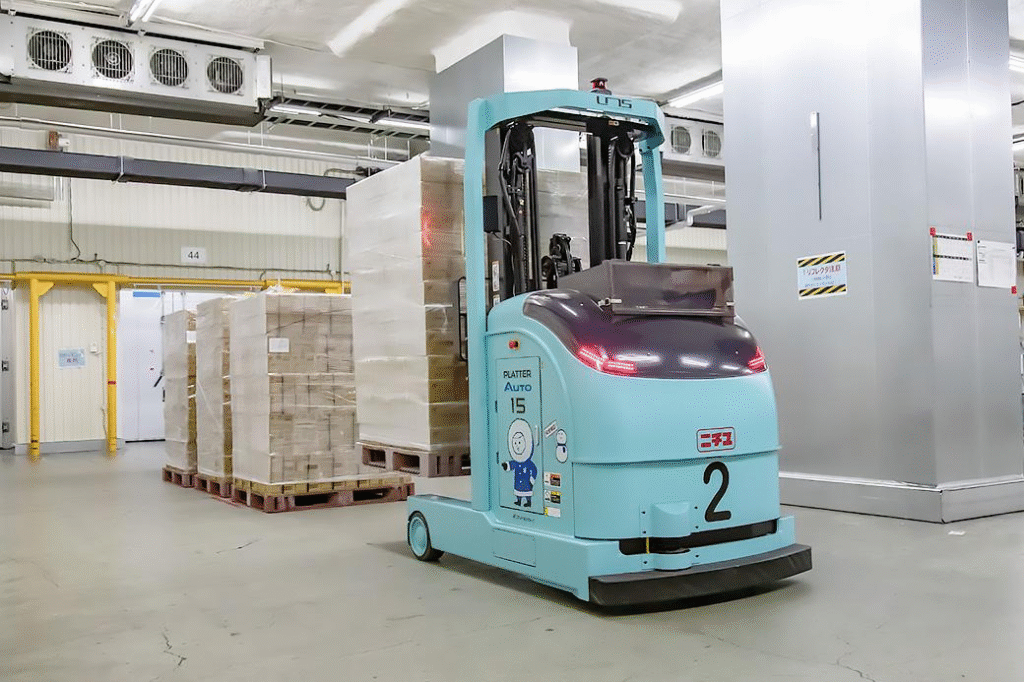
The next major attack on refrigeration hit Japan in July 2026. This time the focus of the attacks were food security. Nichirei, the country’s largest cold-storage operator with roughly 140 distribution centres, shut its logistics systems on 13 July after detecting an intrusion. Warehouse operations and frozen-food shipments stalled, and restaurant chains including KFC Japan reported shortages. RansomHouse – a group of hackers associated with the Iranian Revolutionary Guard (IRGC) claimed the attack.
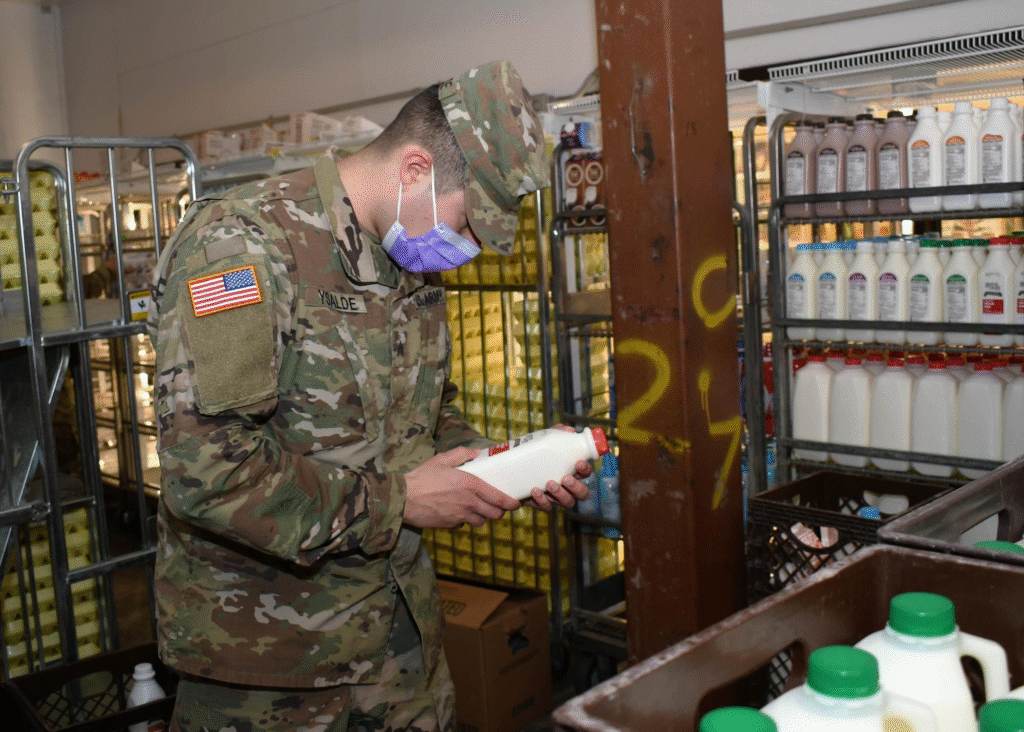
Attacks on cold storage in Europe followed this autumn. In the first days of November 2026, attackers remotely pushed commercial refrigeration controllers into high-temperature defrost cycles at supermarkets in eight or more European countries. On 02 November, three regional sites of France’s national blood service, the EFS, were affected through a refrigeration supplier. The service said no blood products or samples were compromised, because monitoring systems flagged the anomaly in time. British meat processors were also caught in the attack wave according to the National Cyber Security Centre.
North America has received a direct warning. On 05 November 2026, CISA, the FBI, HHS, USDA and the Department of Transportation issued a joint advisory on attacks against internet-exposed electronic temperature controllers and refrigeration management platforms, describing activity worldwide. Reporting also says US officials suspect Iran-linked hackers were behind freezer failures at military commissaries. Federal agencies have not publicly attributed the campaign.
Timeline of reported attacks, 2026
The table below lists the incidents in date order, with the country where each was reported. Dates are the ones given in press and agency reporting; several remain under investigation.
| Date (2026) | Country | What was reported |
| May | Israel | Food processor’s refrigeration controllers reprogrammed and compressors destroyed; attributed by Profero to an Iranian persona. |
| 13 July | Japan | Nichirei, Japan’s largest cold-storage operator, shut logistics systems after an intrusion; RansomHouse claimed the attack. |
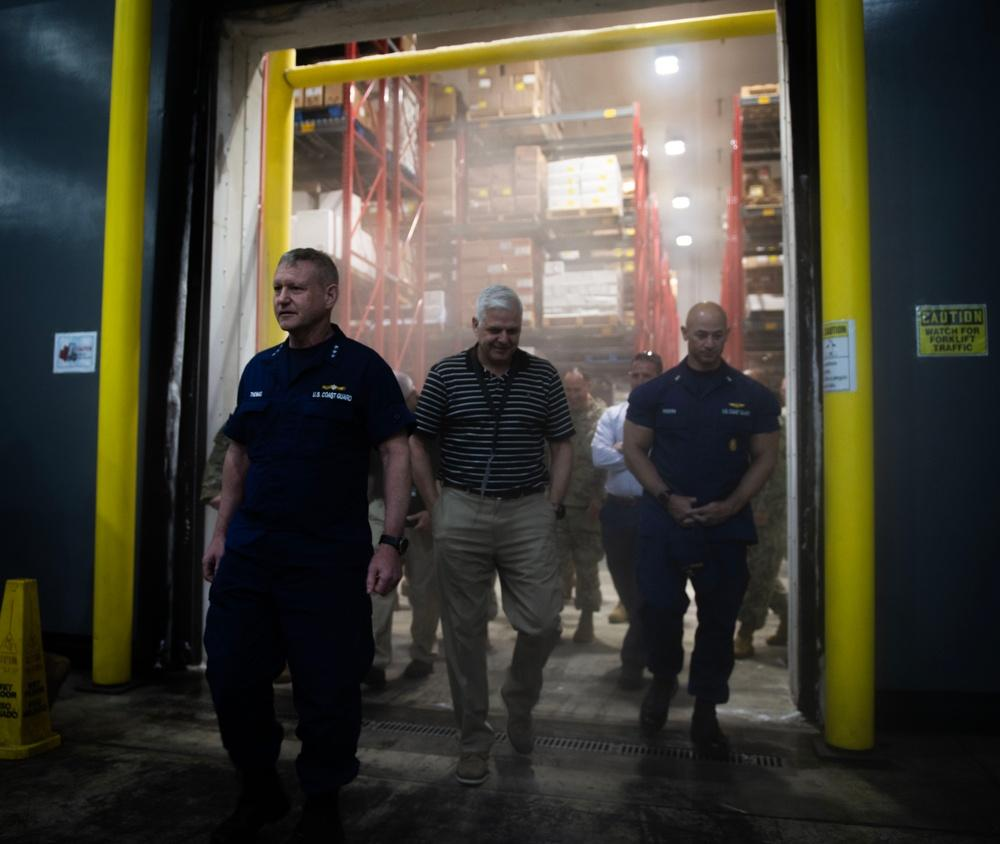
| 26 August onward | United States | Freezers failed at at least six military commissaries; the Pentagon is treating it as a suspected hack, not confirmed. |
| Late September | Germany and England | Four commissary stores reported refrigeration outages; the Defense Commissary Agency said these were unrelated to the US incidents. |
| 11–12 October | France | Overnight defrost at multiple supermarket chains, reportedly via Danfoss controllers; reported store counts vary. |
| 1–2 November | Belgium, Estonia, Finland, Ireland, Luxembourg, Netherlands, Sweden | Supermarket refrigeration disrupted; Ireland’s SuperValu pulled products from 13 stores, Sweden’s ICA reported 23 stores affected, and Belgium’s Carrefour reported 15. |
| 1–2 November | France (blood service) | Three regional blood-bank sites affected through a refrigeration supplier; no blood products were lost. |
| 1–2 November | Germany, Italy, Romania (single report) | Listed among countries targeted that night; not yet confirmed by other sources. |
| Early November | United Kingdom | NCSC confirmed that parts of the UK’s meat processing industry were caught up in the European refrigeration attacks; no separate date given. |
| 5 November | United States (advisory) | CISA, the FBI, HHS, USDA and DOT issued a joint advisory on attacks against internet-exposed refrigeration controllers worldwide. |
Several countries appear more than once, and the wave reached Europe in two rounds. The Israeli food plant is the earliest and most destructive case, and its operators were attributed to an Iranian persona by the Israeli firm that responded to the attack.
It is possible analytically to draw one line from the 2020 vaccine phishing through Tokyo to Europe, Israel and North America and call it a single campaign. The evidence that is being gathered indicates that, although more work is being done.
Three weaknesses explain the pattern. First, controllers are sold to be remotely manageable. Many are left reachable from the public internet with default passwords or unpatched firmware. Second, the consequence is physical. Spoiled food, lost plasma and failed vaccine storage do not look like ordinary IT outages. Third, the cold storage chain runs through many small contractors. An attacker does not need to breach the hospital or the drugmaker when a refrigeration service provider holds remote access to both. The French case shows the route: the blood service was not the direct target, and its supplier was.
Seven things we should do with urgency to protect our food and biosecurity
- Designate our cold chain storage as a sector of vital critical infrastructure.
- Take refrigeration controllers off the public internet, and route any remote access through monitored channels with multi-factor authentication.
- Remove default credentials and retire controllers that vendors no longer support.
- Treat temperature telemetry as a security control with alarms that reach a person at any hour.
- Write baseline cyber standards into contracts with suppliers of medical and food cold storage, and require fast incident reporting.
- Prioritise investigations that enables attribution work and have officials say what they know and how confident they are, so the public response matches the threat.
- Begin to protect air conditioning and its underlying systems. This will be the next line of attack.
The 2020 warning during Covid was about this exposure and the 2026 incidents show what follows when the line of attack was not prioritised as part of our resilience and cybersecurity planning. The fridge is no longer a peripheral device. It is part of the supply chain that keeps our nations alive we should be defended it as critical infrastructure.
