

Listen to the article
Europe could be heading towards a new era of political violence comparable to the terrorist campaigns of the 1970s, a leading terrorism expert has warned.
Jason Burke, the award-winning journalist and author, said economic hardship, rising political extremism, conspiracy theories and growing international instability were creating conditions similar to those that gave rise to some of Europe’s most notorious terrorist organisations.
Burke, who has spent almost three decades reporting on terrorism and Islamist militancy, warned that the growth of populism, political polarisation and conflicts in the Middle East had striking parallels with the upheavals of the 1970s, when revolutionary groups carried out bombings, assassinations, kidnappings and aircraft hijackings across Europe.
Speaking on The Security Podcast with Sean Rayment, Burke said the political and economic pressures confronting Western governments were creating an increasingly volatile environment in which new extremist movements could emerge.
Asked whether the world was becoming increasingly vulnerable to a new generation of violent extremists, Burke replied: “Absolutely. Yeah, I mean, I think it’s really interesting the parallels with now in the 70s.”
He said: “In the 70s, there was a period of economic distress widespread in the Western world, populism, paranoia, conspiracy theories, geopolitical conflicts, war in the Middle East, oil prices making a major difference to people after a series of crises and economies.”
Burke said the period was characterised by “a generalised sense of things being out of control, out of joint” and rising radicalism.
He added: “Then it was more ideologically based, now it’s much more identity based.”
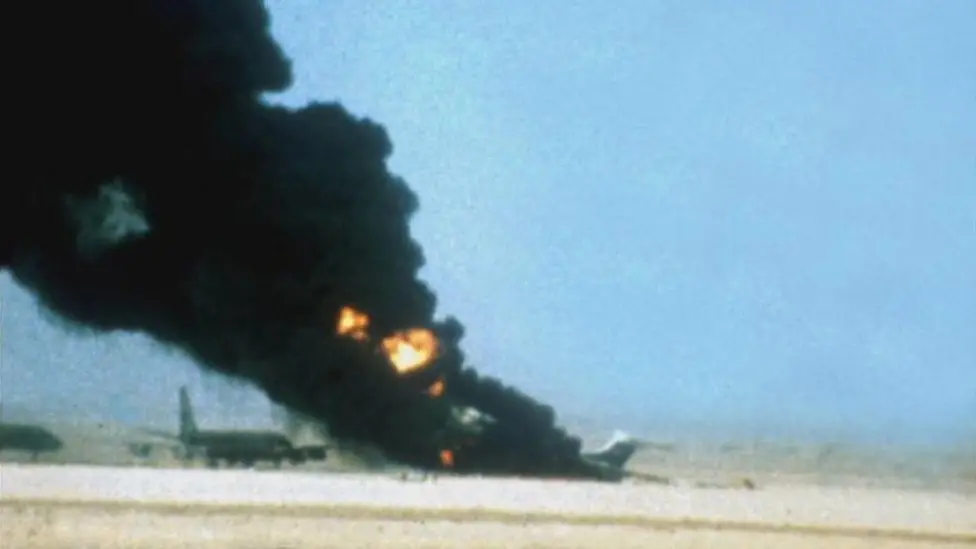
The 1970s witnessed a wave of political terrorism across Europe, including bombings, kidnappings, assassinations and aircraft hijackings carried out by revolutionary groups seeking to overthrow governments or transform society.
Organisations such as the Red Army Faction, commonly known as the Baader-Meinhof gang, emerged in West Germany, while the Red Brigades conducted a violent campaign in Italy. Palestinian militant organisations also carried out international terrorist operations.
Burke said the development of similar extremist movements remained a possibility today, although their political motivations and identities might be different.
He said: “It surprises me there hasn’t been more left-wing radicalism, more left-wing violence.”
He also pointed to right-wing violence, which he described as “obviously very present” and which also had roots in the political upheavals of the 1970s.
“But yeah, I think there are really obvious parallels,” he added.
Burke warned that the present international security environment also bore similarities to the 1980s, when governments frequently used terrorism and covert violence to pursue political objectives.
He said: “There’s another thing that’s really interesting though is actually much more coming from the 80s. And the 80s was a decade when there was a lot of state terrorism, state-sponsored terrorism. And that you see now in a really obvious way.”
Pointing to the activities of hostile states, Burke added: “That’s what we’re seeing with Iran and Russia, particularly with these supposed what they call hybrid attacks, so-called, across Europe and here.”
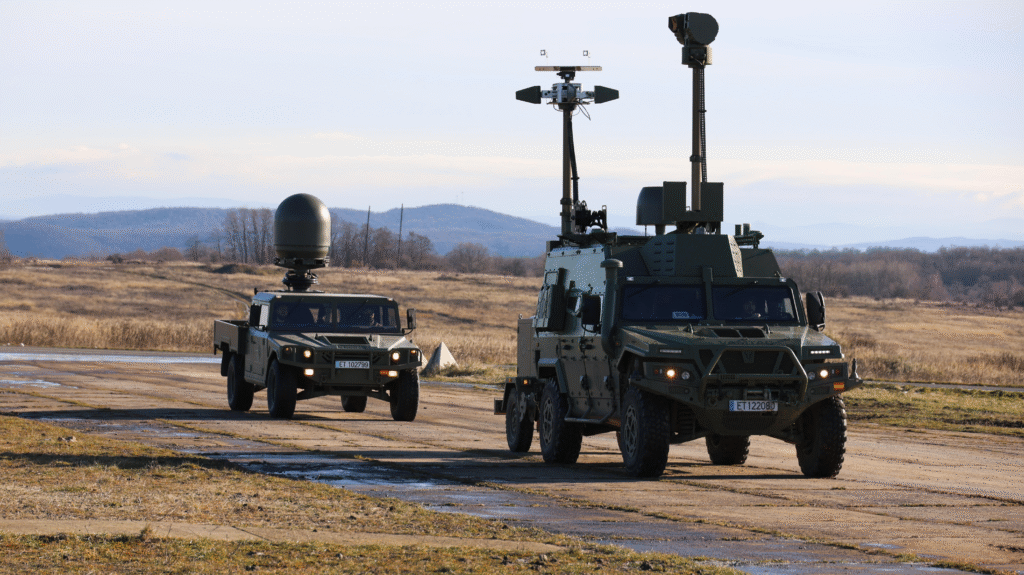
His comments come amid growing concern among European intelligence agencies about Russian sabotage operations and alleged Iranian involvement in plots targeting dissidents and Jewish and Israeli interests.
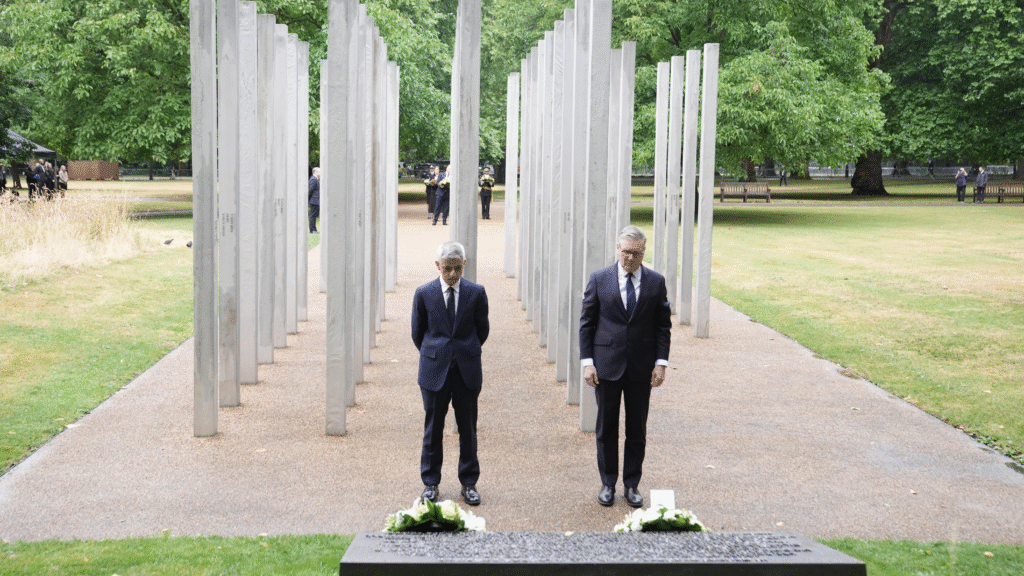
Burke also delivered a damning assessment of MI5’s understanding of Islamist terrorism in the years before the July 07 London bombings, criticising senior intelligence officials for relying on outdated assumptions about how terrorist organisations operated.
He said the threat of home-grown Islamist terrorism had been apparent years before four suicide bombers killed 52 people on London’s transport network in 2005.
“I think it was perfectly clear what was happening from 2001,” he said.
Burke explained that al-Qaeda did not operate primarily through secret networks receiving orders from a central command but sought to inspire individuals to carry out violence themselves.
“It was about inspiring violence,” he said.
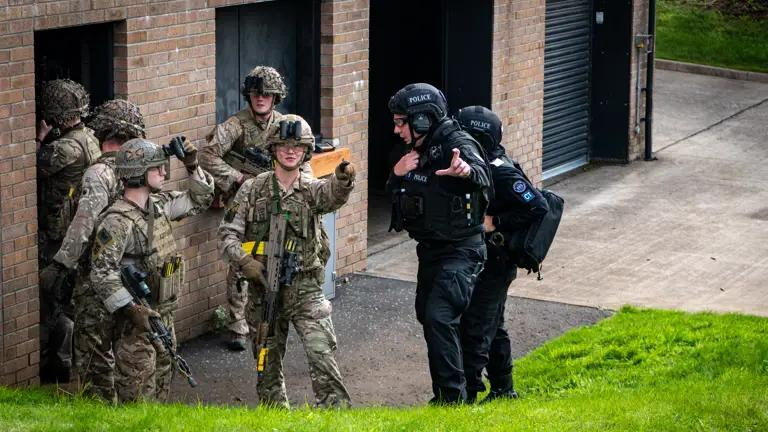
Asked whether MI5 and the police had recognised the growing threat, Burke replied: “I used to speak to them a lot in that period. They were worried but they just didn’t know what to do.”
He described officials as “really, really ignorant” and criticised what he regarded as their misunderstanding of how terrorist networks operated.
Burke said senior figures had promoted “absolutely mad theories” about networks of sleeper cells operating across Britain.
He asked: “Were any found? No.”
Such assumptions, he argued, had been borrowed from the Cold War and popular fiction rather than based on a proper understanding of Islamist radicalisation.
He said: “It was all kind of being borrowed from either the Cold War or from bad thrillers and just being kind of recycled into policy basically and tactics.”
Burke also recalled a senior MI5 figure warning about al-Qaeda militants hiding among ordinary people.
He said: “And I was tearing my hair out, it’s like they are ordinary people, you know, that’s how it works.”
He argued that terrorism was a social process involving individuals who gradually became radicalised, sometimes without initially intending to pursue violence.
Burke said this misunderstanding risked stigmatising entire Muslim communities while obscuring the relatively small number of individuals drawn into violent extremism.
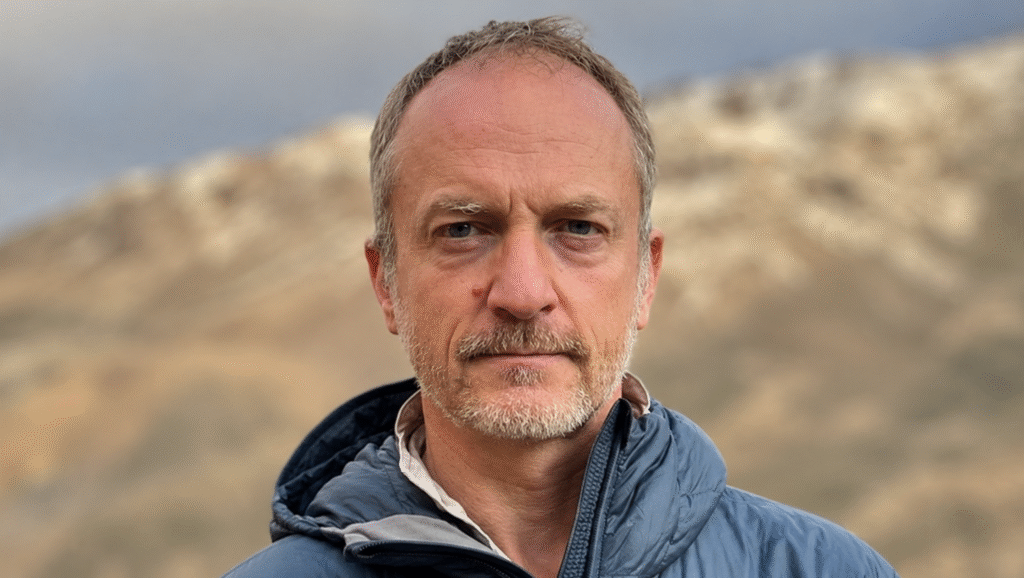
His latest book, The Revolutionists, examines the emergence of revolutionary violence during the 1970s and the origins of both left-wing terrorism and modern Islamist militancy.
He argues that the political and social upheavals of the late 1960s helped create the conditions in which revolutionary violence developed across Europe and the Middle East.
Burke suggested that terrorist movements would continue to emerge in different forms unless the grievances that encouraged individuals to embrace political violence were addressed.
He said: “What does that say about terrorism itself? I mean, it basically says that it will carry on in one form or another if those grievances that lead to people deciding that violence is the only way to bring about radical change are not addressed.”
He added: “You can argue you don’t want to address them. Fine. But you’ll have terrorism.”
Burke said that even eliminating individual terrorist organisations would not necessarily remove the underlying causes of political violence.
He said: “You’ll still have terrorism, but it’ll be different, different vocabulary, maybe different people, probably more intractable, but it will continue.”
Burke concluded that although the international environment was different from that of the 1970s and 1980s, the similarities were difficult to ignore.
“I think as ever, history doesn’t repeat, but it does rhyme,” he said.
“And I think we’re very much in a similar kind of place as we were then.”
