

Listen to the article
Iran has drawn up plans to attack undersea communications cables in the Gulf if the United States and Israel launch renewed military strikes, according to senior Iranian security officials.
Two officials told Reuters that Tehran was preparing to target the cables, potentially disrupting internet connections and other communications across the region.
One official said Iran would also seek to prevent damaged cables from being repaired, prolonging disruption to telecommunications networks.
“If Iran is attacked, there will be no more red lines… from undersea cables to military bases, including covert ones,” the official said.
The plans come amid fears of renewed conflict between Iran, the United States and Israel, following warnings from Tehran that critical infrastructure across the Gulf could become a target.
The two security officials, who spoke to Reuters on condition of anonymity, did not disclose how or where the attacks would be carried out.
One official also warned Washington not to “play with fire,” claiming Iran had full access to the cables and could easily destroy them.
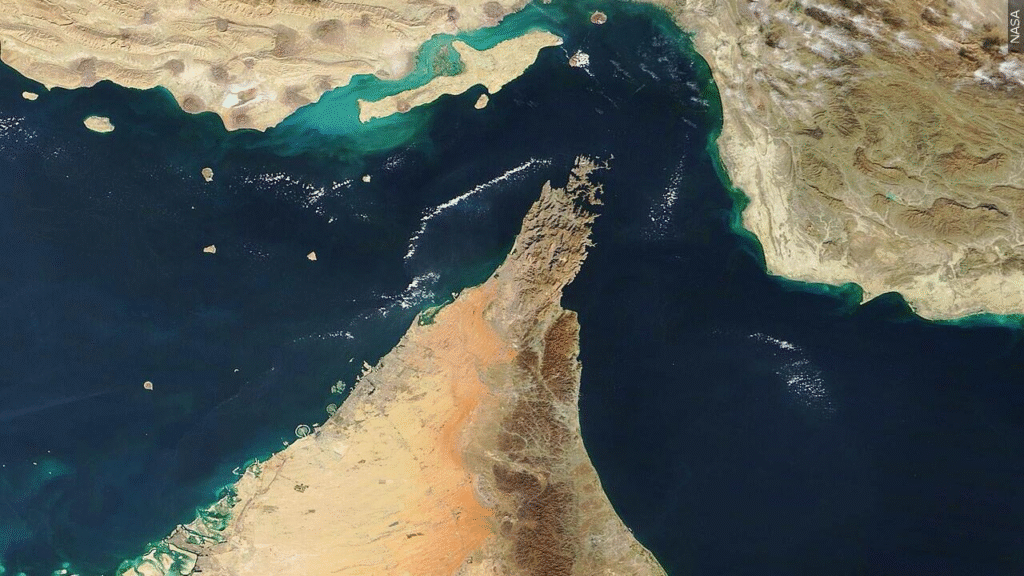
Yadollah Javani, deputy head of political affairs for Iran’s Islamic Revolutionary Guard Corps (IRGC), warned on October 21 that seven major internet cables beneath the Strait of Hormuz could be targeted if Iranian infrastructure comes under attack.
Javani said: “The Islamic Republic can undoubtedly inflict serious damage on the US and its regional allies in this way.”
The Strait of Hormuz separates Iran and Oman and connects the Gulf to the Arabian Sea. It is a critical maritime passage for regional energy supplies and telecommunications infrastructure.
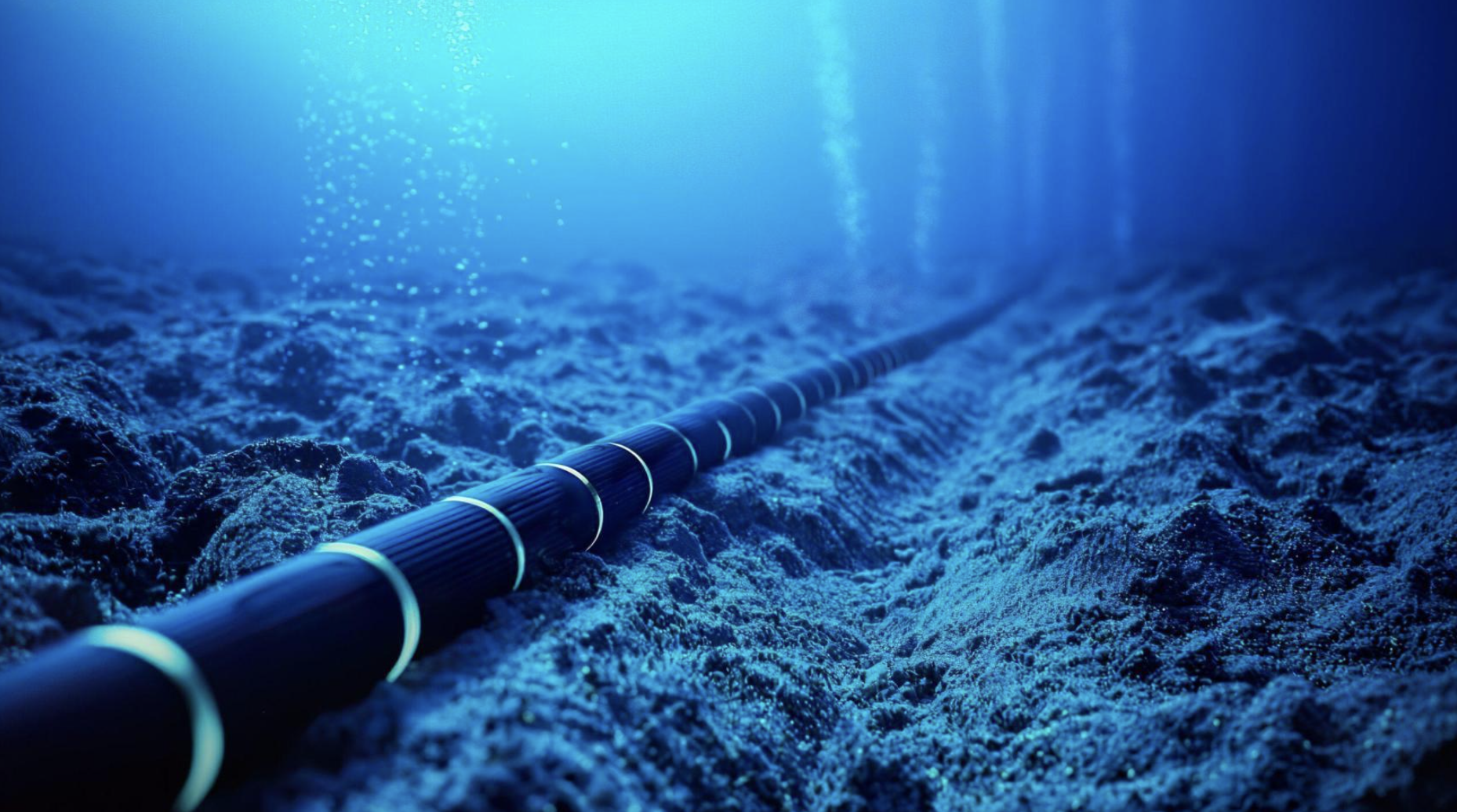
Undersea fibre-optic cables carry around 99 per cent of global internet traffic, according to the International Telecommunication Union (ITU), a United Nations agency.
These cables connect countries through networks running along the seabed, supporting internet access, international financial transactions, cloud computing and other digital services.
Damage to several cables could disrupt communications across Gulf states, although experts say the consequences would depend on the availability of alternative routes.
Alan Mauldin, research director at telecommunications research firm TeleGeography, said less than one per cent of international bandwidth passes through the Strait of Hormuz.
The International Cable Protection Committee has also warned against overstating the strait’s importance to global internet connectivity, describing the principal risk from cable damage as regional rather than worldwide.
Gulf countries have access to alternative undersea cables and land-based telecommunications networks, allowing operators to redirect some traffic when connections are damaged.
However, these networks may not have sufficient capacity to accommodate all displaced traffic if several major cables are severed simultaneously.
Repairs could also prove difficult during a conflict.
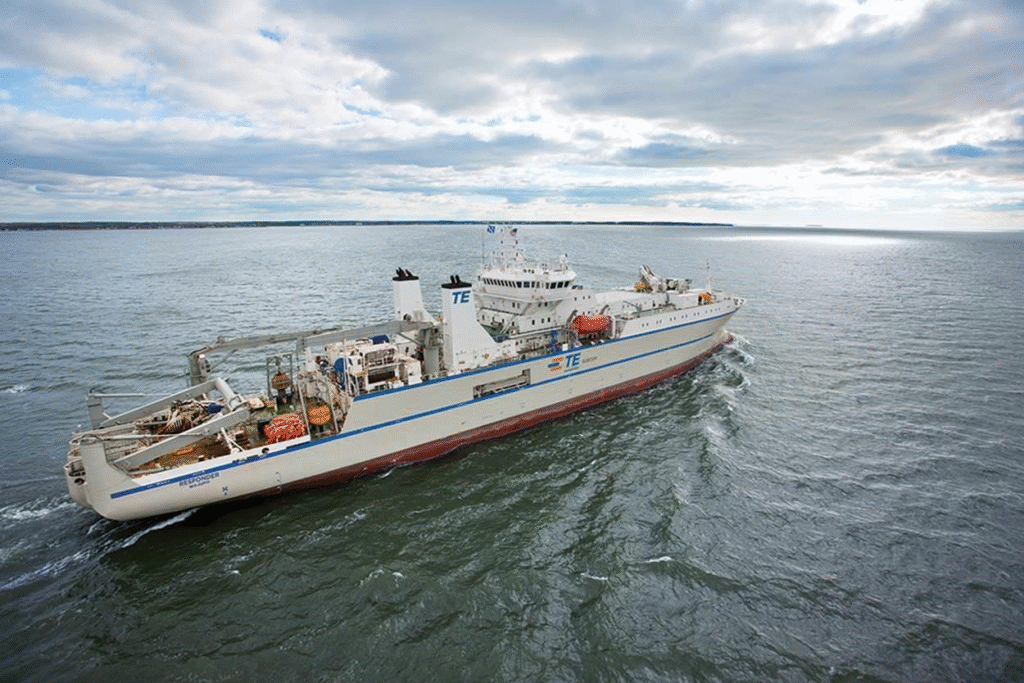
Specialist maintenance vessels require permission to enter territorial waters and must remain stationary while repairing damaged cables.
The ships could face security threats, restrictions on maritime access and difficulties obtaining insurance in areas affected by military operations.
Iran’s reported plans to prevent repairs could therefore extend disruptions beyond the initial attacks, potentially affecting businesses, financial institutions and other organisations that rely on uninterrupted communications.
The threat comes after telecommunications and technology infrastructure in the Gulf was damaged during earlier fighting involving Iran.
In March, Amazon Web Services (AWS) reported that drone strikes had directly hit two of its facilities in the United Arab Emirates.
A separate strike near an AWS facility in Bahrain also caused physical damage, disrupting cloud services in the region.
The incidents highlight the vulnerability of digital infrastructure during military operations, particularly as Gulf countries expand investment in data centres and artificial intelligence.
Governments and technology companies have increasingly sought to strengthen regional communications networks to reduce the risk of disruption.
In September, Microsoft announced plans to invest more than $400 million in telecommunications infrastructure across the Middle East by 2030.
The investment includes expanding network capacity and strengthening connections between regional data centres and international communications systems.
Microsoft said its strategy would provide alternative routes for data traffic, allowing services to continue when individual connections are disrupted.
The company’s existing investments include the SeaMeWe-6 undersea cable system, which has landing points in Qatar, Saudi Arabia and the United Arab Emirates.
The project is designed to strengthen connectivity between Asia, the Middle East and Europe, providing additional capacity for international communications.
However, the effectiveness of alternative connections would depend on the extent of any damage and whether sufficient capacity remained available to accommodate diverted traffic.
Iran’s reported plans raise further concerns about the security of critical infrastructure across the Gulf as regional governments seek to prevent renewed fighting.
The US State Department and Iran’s Foreign Ministry did not respond to Reuters’ requests for comment on the officials’ claims.
