

Listen to the article

By Sean Rayment
The British government’s plans for a major expansion of nuclear power have been given a boost with a series of transatlantic deals for new modular reactors announced ahead of Donald Trump’s visit.
The UK and US governments have promised to fast-track safety checks and announced several new private sector investment deals, with Labour emphasising the potential benefits for jobs and growth.
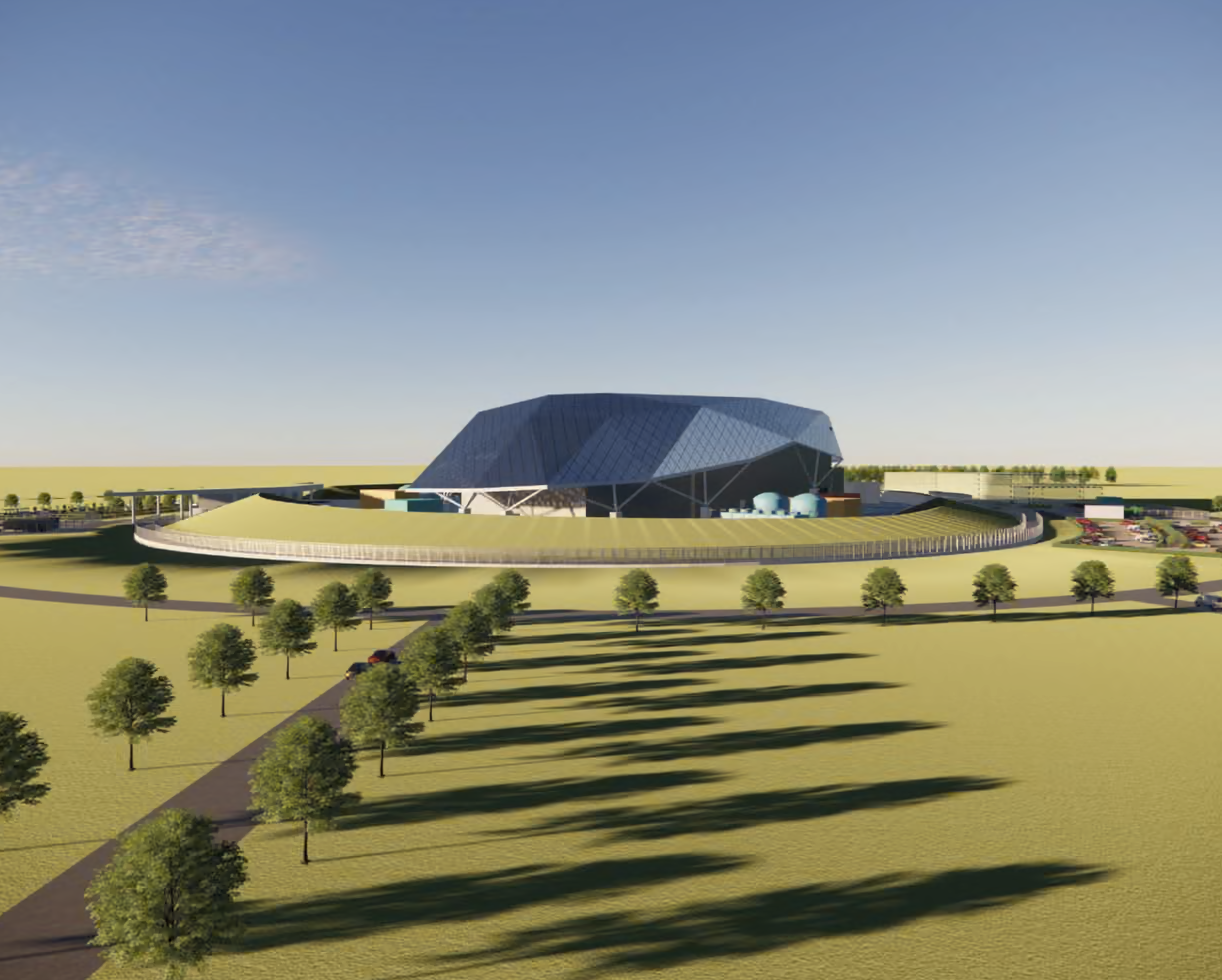
In the biggest and most advanced commercial project, Britain’s largest energy supplier, Centrica, will partner with the US reactor firm X-energy to build up to 12 advanced modular reactors in Hartlepool, in an investment that could create up to 2,500 jobs in the north-east of England.
Prime Minister Sir Keir Starmer said the US-UK agreement, expected to be signed off formally during the state visit, was a “landmark nuclear partnership” that would also power economic growth.
He said: “These major commitments set us well on course to a golden age of nuclear that will drive down household bills in the long run, while delivering thousands of good jobs in the short term.”
Under the unprecedented agreement, Britain and the US will accept each other’s safety checks on reactor designs, almost halving the time for a nuclear project to be licensed to about two years.
The Department for Energy Security and Net Zero said the deal would clear the way for a large expansion of nuclear projects, in a sector that has already created 11,000 jobs this year, according to the Nuclear Industry Association.
The X-energy–Centrica deal confirms a nuclear future for Hartlepool, where the existing reactor is scheduled to be decommissioned by 2028, and paves the way for a potential further programme of 20 or more modular reactors around the country, providing as much power – 6GW – as Britain’s current total nuclear output. The 12 Hartlepool reactors are expected to generate enough electricity for up to 1.5 million homes.
Other ventures announced include plans by the US nuclear firm Holtec, EDF Energy and the property developer Tritax for advanced data centres powered by small modular reactors at the former Cottam coal-fired power station in Nottinghamshire, in an £11bn project.
Another US reactor company, Last Energy, is partnering with DP World – owner of the port and P&O Ferries – to develop one of the world’s first micro modular nuclear power plants. It would supply DP World’s London Gateway port and business park.
The government said more nuclear facilities were needed to provide clean, homegrown power and ensure energy security, following Starmer’s announcement earlier this year of the largest expansion of nuclear power in generations, including the eventual go-ahead for the new Sizewell C station in Suffolk with billions in state funding.
Ministers also hope to attract major US tech investment in AI data centres with the promise of abundant electricity to meet their huge power demands.
The US secretary of energy, Chris Wright, said the US was looking to commercial nuclear power to “fuel the AI revolution”.
He said: “Meeting this demand will require strong partnerships with our allies around the world and robust collaboration with private sector innovators.”
The deals, he added, would “unleash commercial access in both the US and UK, enhancing global energy security, strengthening US energy dominance, and securing nuclear supply chains across the Atlantic.”
Tom Greatrex, the chief executive of the Nuclear Industry Association, said the transatlantic deals would contribute to the sector’s “industrial revival, creating thousands of high-value jobs, and strengthening the UK’s energy security”.
As well as aiming to reduce broader reliance on overseas energy, the UK-US agreement – known as the Atlantic Partnership for Advanced Nuclear Energy – will seek to eliminate any remaining dependency on Russian nuclear material by the end of 2028.
The deal will mean both countries fast-track reactor design checks by collaborating and accepting each other’s regulatory assessments, avoiding duplicating bureaucracy. The government said this streamlined approach would also help British exports, with Rolls-Royce currently in the process of securing approval for its small modular reactor design in the US.
