

Listen to the article
By Ben Farmer
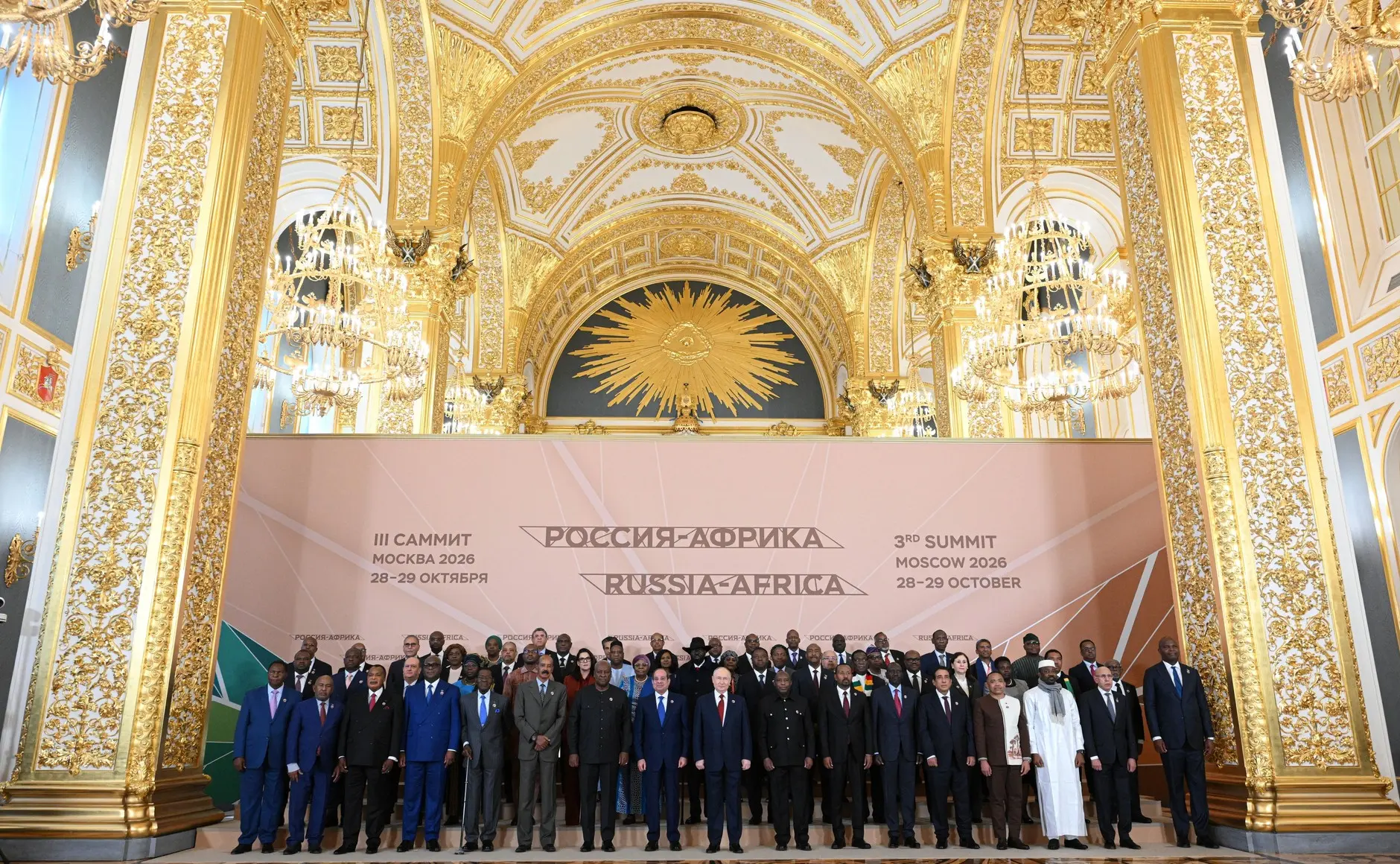
The Kremlin claims 30 African countries have signed military cooperation agreements with Moscow, after Vladimir Putin held a summit with African leaders last week.
Representatives from 48 of Africa’s 54 countries attended Putin’s third Russia-Africa summit, including 22 delegations reportedly led by heads of state or government.
The two-day meeting in Moscow continued Russia’s efforts to strengthen ties with African leaders as it seeks access to resources, alliances that reduce its international isolation and opportunities to weaken Western influence.
Putin described Russia and Africa as “natural partners” and denounced Western policies towards Africa as neo-colonial. He alleged that the West was trying to keep African nations trapped in debt.
His adviser, Anton Kobiakov, told state-run media that 30 African countries had concluded military-technical cooperation agreements with Russia, describing defence ties as a long-standing part of their relations.
Military cooperation agreements, frequently supported by Russia’s Africa Corps, a mercenary force run by the Russian Ministry of Defence, have become a cornerstone of Moscow’s outreach to the continent.
Attendees included Sudan’s de facto leader and army chief, Gen Abdel Fattah al-Burhan, who praised Moscow for its support for Sudan’s government during its three-year civil war against the paramilitary Rapid Support Forces (RSF).
Analysts say Moscow’s outreach has been part of a strategic effort to secure a naval base on Sudan’s Red Sea coast.
Gen Burhan met Putin and offered Russia access to gold and copper mines, as well as coastal sites for fuel and wheat storage facilities.
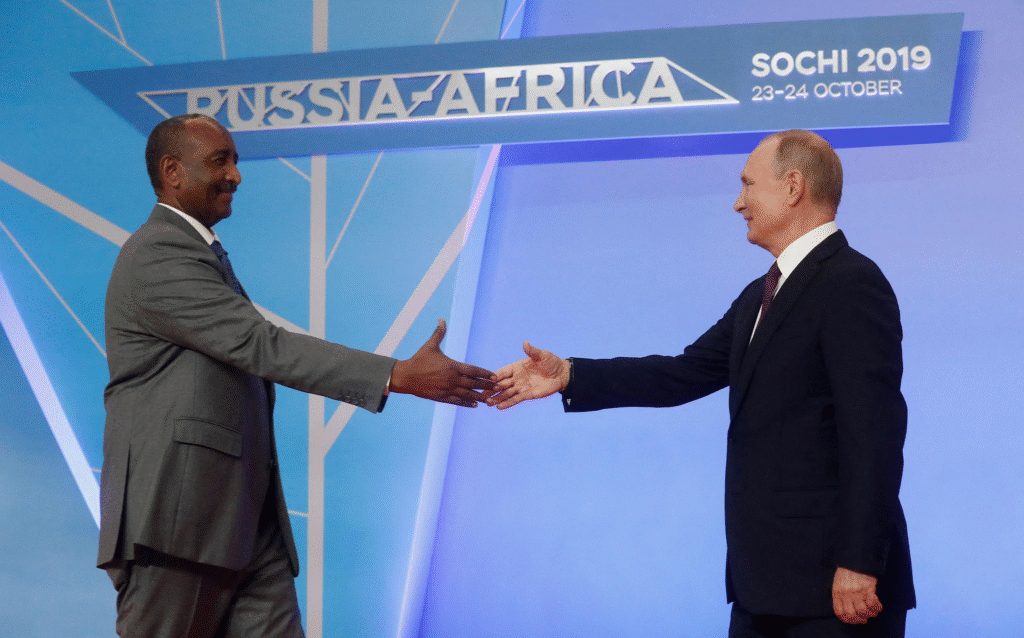
“We could establish a free economic zone in the Red Sea, where Russia could set up storage facilities for fuel and wheat,” Gen Burhan said in a statement quoted by the Kremlin.
Ethiopia’s Prime Minister Abiy Ahmed, meanwhile, announced during his visit to Moscow that his country had taken delivery of 12 Su-35 fighter jets and four S-400 air defence systems from Russia.
Russia has also offered cooperation on nuclear power, including floating nuclear power stations for coastal countries.
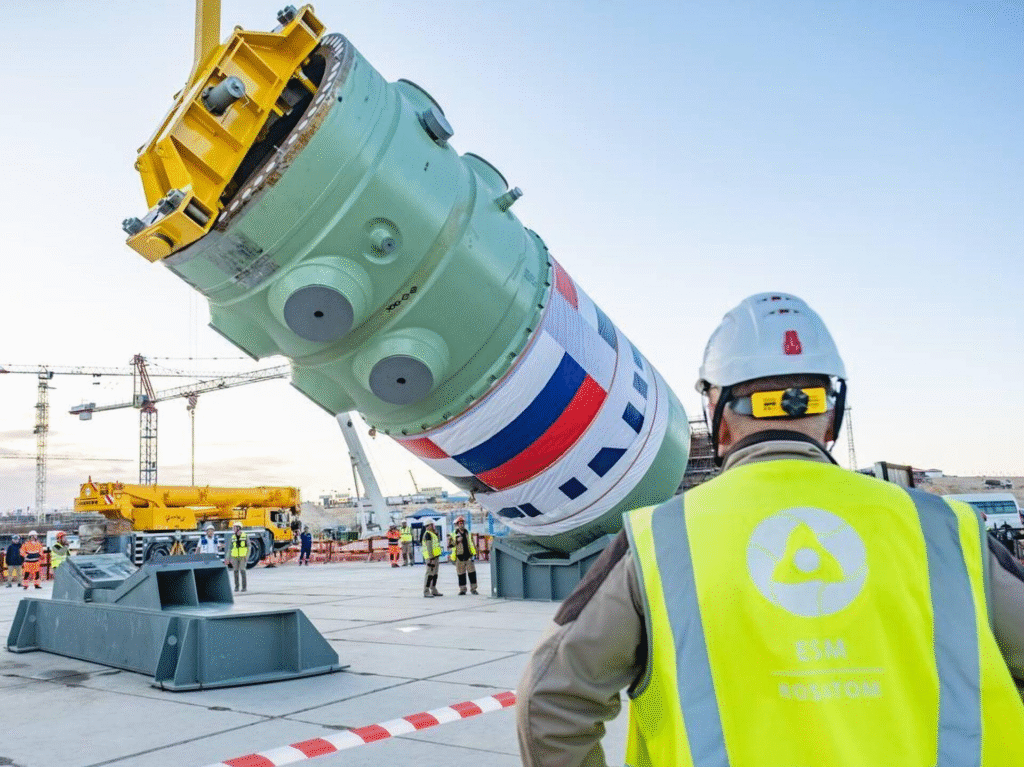
Alexei Likhachev, chief executive of Russia’s state nuclear energy company Rosatom, said during the summit that the company was in discussions with Uganda, Ghana, Ethiopia and Egypt about building nuclear power plants.
“Our partnership is based on the principle that Africa is diverse, and we have a tailored approach for each country that goes beyond a single project,” he said.
Likhachev said nine countries had expressed interest in Rosatom’s floating nuclear power plant technology, with talks underway with Egypt, Tanzania, Togo and Namibia.
Ghana announced that Russia had agreed to help it build a 2,000-megawatt nuclear power plant.
Despite Moscow’s efforts, analysts say Russia remains a relatively minor player in African trade, lagging far behind China, the European Union and the United States.
While Russia has become a key ally of several military juntas in West Africa, it has also angered some African countries by recruiting job seekers into its military to fight in Ukraine.
Russia’s outreach offers African nations more options in an increasingly divided world. However, many governments remain focused on securing economic and security benefits while avoiding alignment with any single geopolitical bloc.
