


Listen to the article
Iran’s Revolutionary Guards are recruiting hired assassins and organised criminal gangs to carry out a campaign of murder, sabotage and intimidation across Britain, Europe and the United States, according to Western intelligence agencies.
Journalists, political opponents and Jewish communities have been targeted in operations linked to the Iranian intelligence services, while MI5 has warned that Iranian agents are now turning their attention to military installations, including bases used by American forces.
More than 50 arrests have been made in Britain over the past year in operations believed to have been ordered by the Iranian state, according to Sir Ken McCallum, the director-general of MI5.
In his annual threat assessment in October 2026, MI5’s director general said: “The other major shift this year has been Iranian ambitions to come at harder targets, like military sites.”
He also identified members of the Islamic Revolutionary Guard Corps (IRGC) as being behind a group that claimed responsibility for attacks against Jewish communities across Europe, including arson attacks involving ambulances, synagogues and businesses.
Although the IRGC has been implicated in numerous operations, Iran’s Ministry of Intelligence and Security has also been accused of organising attacks overseas.
Last month, Sir Ken revealed that MI5 and police had responded to 20 Iran-backed plots presenting potentially lethal threats since January 2022.
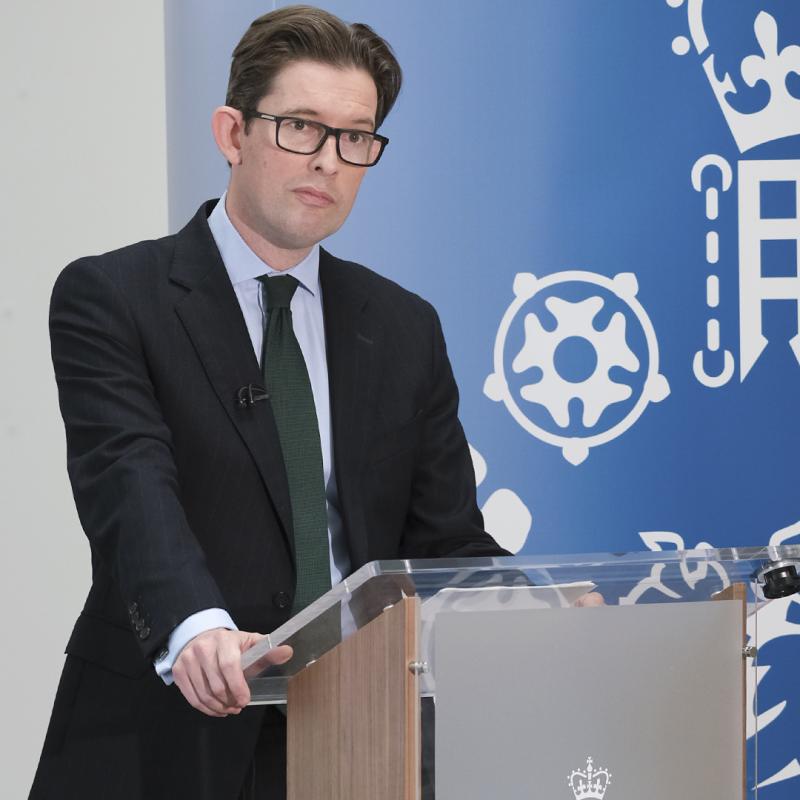
A year later, the MI5 chief warned that the intelligence service had tracked more than 20 potentially lethal Iranian-backed plots during the preceding 12 months alone.
Among those targeted were journalists working for Iran International, the London-based Persian-language television channel whose reporting on political repression and opposition protests has made it a particular target of the regime.
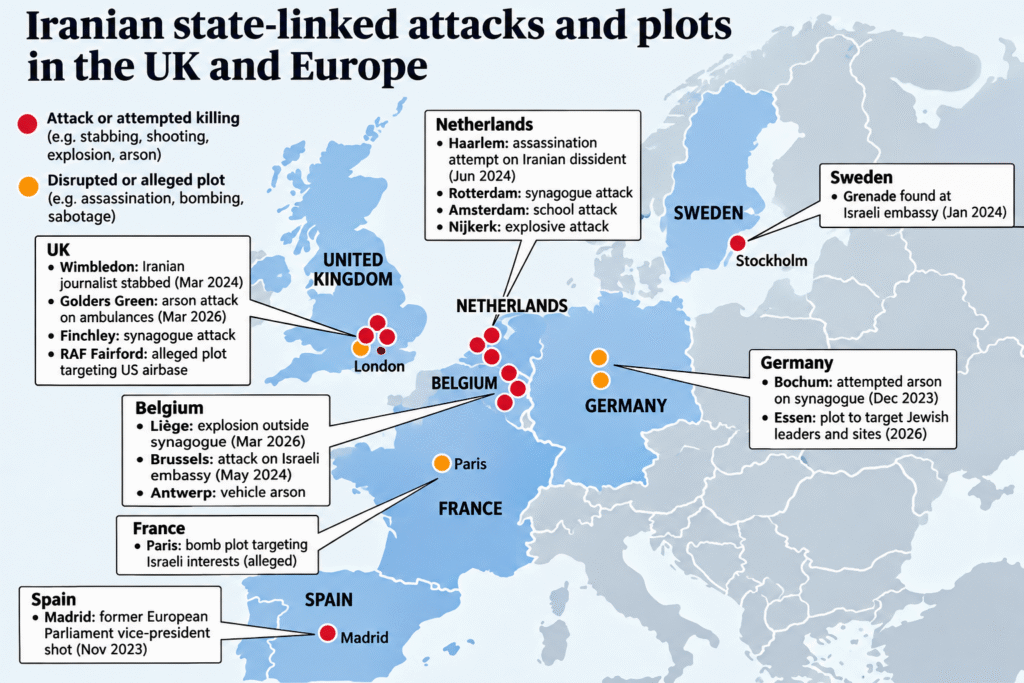
One of the most high profile attacks came in March 2024 when, Pouria Zeraati, one of the channel’s presenters, was stabbed outside his home in Wimbledon, southwest London.
Zeraati was approaching his car when two men confronted him. One pretended to ask for money before the journalist was restrained and stabbed three times in the leg.
The attackers escaped in a waiting Mazda before travelling to Heathrow Airport and boarding a flight to Geneva later that day.
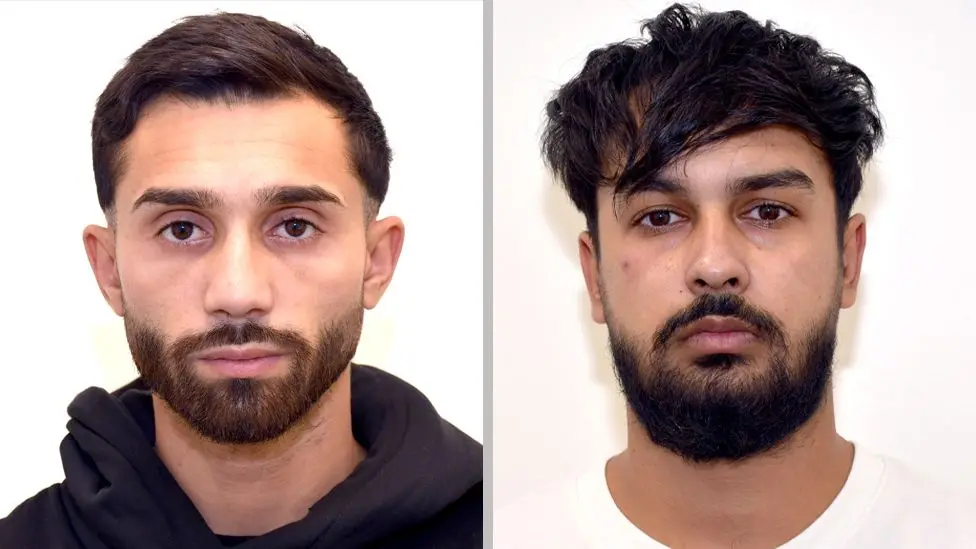
Two Romanian nationals, George Stana and Nandito Badea, were convicted at Woolwich Crown Court of wounding with intent to cause grievous bodily harm in June 2026. Both men it is believed had been hired by Iran’s intelligence services to carry out the attack and were subsequently sentenced with Stana jailed for 12 years and Badea for eight.
The stabbing followed an earlier alleged assassination plot against two other Iran International presenters, Sima Sabet and Fardad Farahzad.
It was revealed in December 2023 that the pair had been targeted in a plot allegedly organised by Iranian intelligence operatives the previous year.
The original plan involved a car bomb before those directing the operation considered using knives.
The threats became so serious that Iran International temporarily relocated its broadcasting operations from London to Washington.
The dangers facing Iranian dissidents have also spread across mainland Europe.
Alejo Vidal-Quadras, a former vice-president of the European Parliament and prominent critic of Iran, was shot in the face outside his home in Madrid in 2023.
He survived the attack and subsequently accused Tehran of ordering his assassination because of his support for the Iranian opposition.
Two years later a Spanish court charged eight people in connection with the attempted murder. The Dutch intelligence service AIVD separately assessed that Iran was probably responsible.
Investigators also linked the Madrid shooting to an attempted assassination of an Iranian dissident in Haarlem, in the Netherlands, in 2024.
A German-Iranian man was jailed for two years and nine months in 2023 following an attempted arson attack on a synagogue in Bochum.
The Düsseldorf Higher Regional Court found that an Iranian state agency was behind the operation. Prosecutors linked the plot to the Revolutionary Guards and a former member of the Hells Angels motorcycle gang who had fled to Iran.
Much of the terrorist activity conducted by Iran throughout the world has being either undertaken or organised by the Quds Force, the overseas operations arm of the IRGC, which is responsible for covert operations, espionage and supporting armed proxy groups abroad. It has been linked to assassination plots, sabotage and attacks against Iran’s enemies.
German investigators have also uncovered an alleged Quds Force-directed plot targeting prominent Jewish community leaders, including Josef Schuster, president of the Central Council of Jews in Germany, and Volker Beck, president of the German-Israeli Society.
In Sweden, intelligence officials have accused Tehran of exploiting violent criminal gangs to attack Israeli and Jewish targets.
An unexploded grenade was discovered at the Israeli embassy in Stockholm in January 2024. Swedish and Israeli security agencies subsequently linked the incident to the Foxtrot organised crime network, accused of acting on instructions from Iran.
The same network was linked by counter-terrorism researchers to an attack involving airsoft grenades at the Israeli embassy in Brussels in May 2024.
A year later, Britain imposed sanctions on Foxtrot and its leader, Rawa Majid, accusing the organisation of carrying out violence against Jewish and Israeli targets on behalf of Tehran.
David Lammy, then the foreign secretary, said at the time: “The Iranian regime uses criminal gangs across the world to threaten people.”
The attacks across Europe continued and in March 2026, an explosive device detonated outside a synagogue in Liège, Belgium. Attacks against Jewish institutions in Rotterdam and Amsterdam followed.
Responsibility was claimed by a previously unknown organisation, Harakat Ashab al-Yamin al-Islamiyah, also known as the Islamic Movement of the Companions of the Right.
The organisation subsequently claimed responsibility for attacks in Britain and elsewhere in Europe, including the arson attack on four Hatzola ambulances in Golders Green, north London.
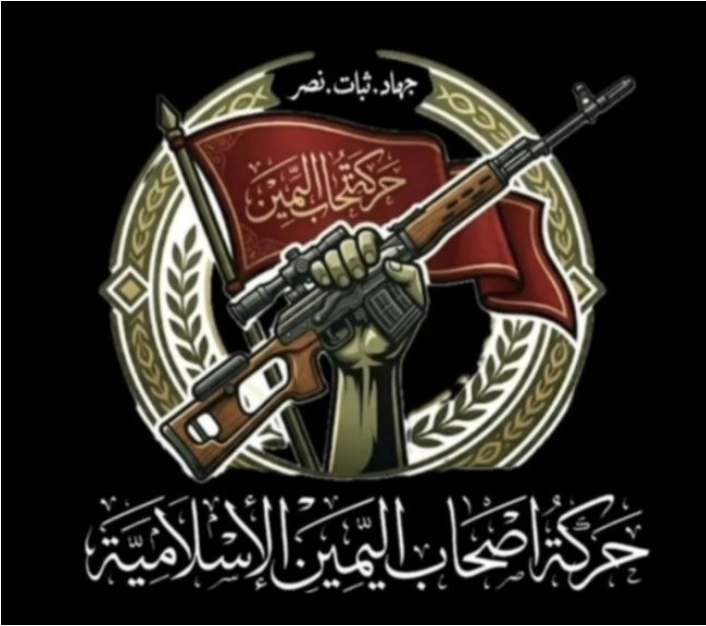
The British government accused the IRGC’s Quds Force of almost certainly directing the group’s operations across Europe between March and May and summoned Iran’s chargé d’affaires to explain Tehran’s involvement in the attacks.
A spokesman said: “Despite repeated warnings, Iran’s intelligence services have not ceased in their hostile activity.”
Further proof of the Iranian regime’s involvement in international terrorist attacks came in a study published by the International Centre for Counter-Terrorism.
The report identified 102 Iranian-linked operations in Europe between 1979 and 2024, including assassinations, abductions, intimidation and surveillance.
More than half occurred between 2021 and 2024.
Twenty four countries, including Britain, France, Germany, Sweden, the Netherlands and the United States, have subsequently issued a joint statement condemning Iranian state-backed attacks.
Western intelligence agencies have told National Security News that the Iranian regime regards exiled dissidents, opposition politicians and independent Persian-language journalists as threats to the survival of the Islamic Republic.
Parliament’s Intelligence and Security Committee warned last year that targeting dissidents was one of Iran’s highest intelligence priorities and that the Iranian regime was prepared to contemplate assassination on British soil.
The committee concluded that Iranian leadership did not necessarily regard attacks against Iranian opposition figures or Jewish and Israeli targets in Britain as attacks against the British state, but as part of its efforts to protect the regime against perceived enemies.
The Iranian government’s hostility towards Israel is another factor, while American officials have faced threats linked to Tehran’s desire for revenge over the killing of General Qassem Soleimani, commander of the IRGC’s Quds Force, in a US drone strike in January 2020.
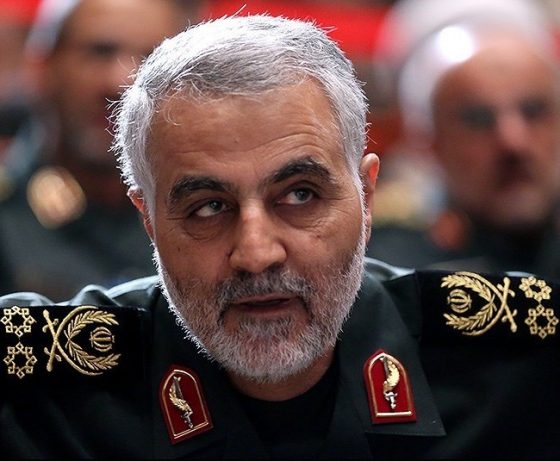
In the United States, federal investigators have uncovered Iranian-directed conspiracies targeting politicians, former government officials and prominent critics of the regime.
In March 2026, Asif Merchant, a Pakistani national, was convicted of terrorism and murder-for-hire offences after prosecutors established that he had received training from the IRGC before travelling to America to arrange political assassinations.
Merchant attempted to recruit individuals to steal documents, organise protests and murder a senior political figure.
He believed he was dealing with professional criminals, but the men he approached were undercover law enforcement officers.
Merchant handed over $5,000 as an advance payment for the planned assassination.
American intelligences agencies identified Donald Trump among the intended targets.
Merchant faces a possible life sentence.
Another Iranian-directed conspiracy targeted Masih Alinejad, an Iranian-American journalist and women’s rights campaigner who has been a prominent critic of Tehran.
Carlisle Rivera, a convicted murderer recruited into the operation, was sentenced to 15 years in prison in January this year.
Prosecutors said Rivera had participated in a conspiracy to stalk and murder Alinejad under the direction of an Iranian government asset, Farhad Shakeri.
A second participant, Jonathan Loadholt, was subsequently sentenced for his involvement.
Employing criminals with little ideological commitment to Iran allows Tehran to conceal the involvement of its intelligence services and makes it harder for investigators to identify those directing the operations.
But MI5’s latest warnings suggest the campaign is now entering another phase after a seres of arrests near military bases.
Earlier this year several men were arrested following reports of suspicious activity involving vehicles near RAF Fairford, the Gloucestershire airbase used by American strategic bombers.
Police said petrol had been found in three vans, but no explosives were discovered. The suspects were subsequently released on bail without charge.
The incident prompted concerns about possible surveillance or sabotage against military facilities used by American forces, although Iranian involvement has not been established through a prosecution.
McCallum said he could not discuss the investigation in detail because inquiries were continuing and future prosecutions remained possible.
He subsequently pointed to other examples of Iranian activity against military targets outside Britain.
After years of attacks and Iranian-linked plots in the UK the IRGC and the Islamic Movement of the Companions of the Right were formally designated under powers introduced by the National Security (State Threats) Act 2026.
The measures make certain forms of support, assistance and receipt of payments from designated organisations criminal offences punishable by up to 14 years in prison.
The government said the powers would help police and intelligence agencies investigate and prosecute individuals recruited to conduct operations for organisations such as the Revolutionary Guards.
For British counter-intelligence officers, the threat is no longer confined to Iranian agents operating under diplomatic cover or using carefully constructed false identities.
With military installations now potentially in the firing line, Western intelligence agencies face the prospect of Iranian-backed attacks against targets of strategic importance to Britain and its allies.
