

Listen to the article
Saudi Arabia has turned to Israel for intelligence assistance as Houthi missile and drone attacks put cities across the kingdom on alert and the Iran-backed group tightens its grip on the Bab al-Mandab Strait.
Saudi and Israeli officials have held talks mediated by US Central Command (CENTCOM) aimed at helping Riyadh defend itself against the Houthis, according to diplomatic sources in the Middle East.
The talks come as Saudi Arabia warns it will respond “firmly” to a wave of attacks that has struck cities, military bases and energy infrastructure across the kingdom.
Saudi authorities issued alerts over possible attacks in Mecca, Jeddah and Taif before lifting the warnings. The alert in Mecca was the first issued in the holy city since the Middle East war began.
Alerts were also triggered in Jeddah, Abha, Jazan, AlUla, Taif and Yanbu, the kingdom’s main Red Sea oil port, before Saudi Civil Defence announced that the immediate danger had passed.
The warnings followed ballistic missile and drone attacks on Khamis Mushait, Abha and Taif that injured 13 civilians.
The Houthis said they had launched a “large-scale” operation using “dozens of ballistic missiles and drones” against King Khalid airbase in Khamis Mushait.
The Saudi-led coalition confirmed missile and drone attacks on the three cities, saying it would respond “firmly to protect the sovereignty of the Kingdom” and take “all necessary operational measures to deter this… hostile and extremist approach”.
The latest attacks come as the Houthis strengthen their position along Yemen’s Red Sea coast and around one of the world’s most important shipping routes.
The Houthis have seized the strategic island of Perim, also known as Mayun, inside the Bab al-Mandab Strait after taking the port city of Mocha.
They have also captured other strategically located islands in the southern Red Sea, giving the Houthis greater control over waters connecting the Red Sea with the Gulf of Aden.
The gains are particularly significant as disruption in the Strait of Hormuz increases the importance of alternative routes for Saudi oil exports.
Salman Al-Ansari, a Saudi geopolitical analyst, said Riyadh would prefer to avoid an all-out war with the Houthis while the wider confrontation between Washington and Tehran remained unresolved.
“Riyadh has bigger fish to fry – the strategic challenge posed by Tehran,” he told The Telegraph. “At the same time, it does not want Iran to use another strategic strait as a bargaining chip in negotiations with Washington.”
Al-Ansari warned, however, that the escalating Houthi threat could draw Riyadh deeper into the conflict.
“It seems Riyadh will have to pull its weight in the war against the Houthis,” he said. “Saudi Arabia will spare no effort in supporting [the Yemeni government’s] efforts to defeat the Iranian-backed Houthi militia.”
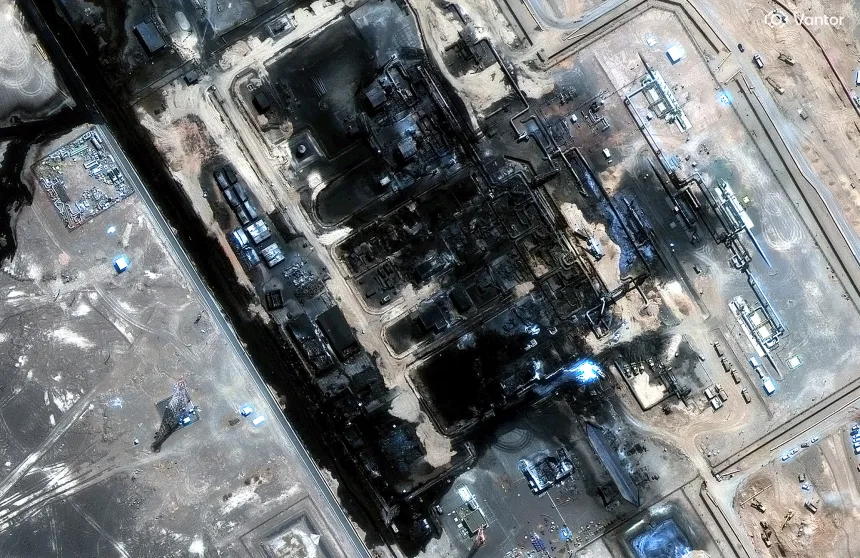
Riyadh is also facing attacks on its energy infrastructure.
Saudi Arabia temporarily shut its East-West oil pipeline after a drone attack damaged facilities along the route. The 1,200km pipeline carries crude from eastern Saudi Arabia to the Red Sea and allows exports to bypass the Strait of Hormuz.
Saudi Arabia has blamed drones launched from Iraq for that attack. The Houthis have separately targeted Saudi oil facilities with missiles and drones.
The Israeli assistance is expected to focus on building a clearer picture of Houthi military deployments and identifying preparations for future operations, according to diplomatic sources cited by Israeli media.
The talks are significant because Saudi Arabia and Israel do not have formal diplomatic relations, although the two countries share security concerns over Iran and its regional allies.
The United States is already providing Saudi Arabia with intelligence and targeting data. Around 200 US military personnel are also reportedly in the kingdom providing non-combat support.
Donald Trump has so far resisted calls for direct American military action against the Houthis.
According to reports, Saudi Crown Prince Mohammed bin Salman called the US president twice last week and urged him to launch strikes against the Houthis. Trump rejected the request.
According to Bloomberg, Saudi Arabia has also asked Britain for assistance defending its oil infrastructure and pushing the Houthis back from the Bab al-Mandab Strait.
Prime Minister Andy Burnham has agreed to send British military advisers but has not yet committed additional military support.
A Government spokesman said: “We continue to work with partners to support regional stability, protect civilians and support humanitarian access in Yemen.”
Saudi and Yemeni forces are meanwhile striking Houthi positions in an attempt to halt the group’s advance.
The Houthis said Riyadh carried out more than 50 strikes in Yemen following the latest attacks, after a similar number the previous day.
The fighting has pushed Yemen back towards full-scale civil war after several years of relative calm and increased pressure on shipping and energy routes.
