

Listen to the article
By Sean Rayment
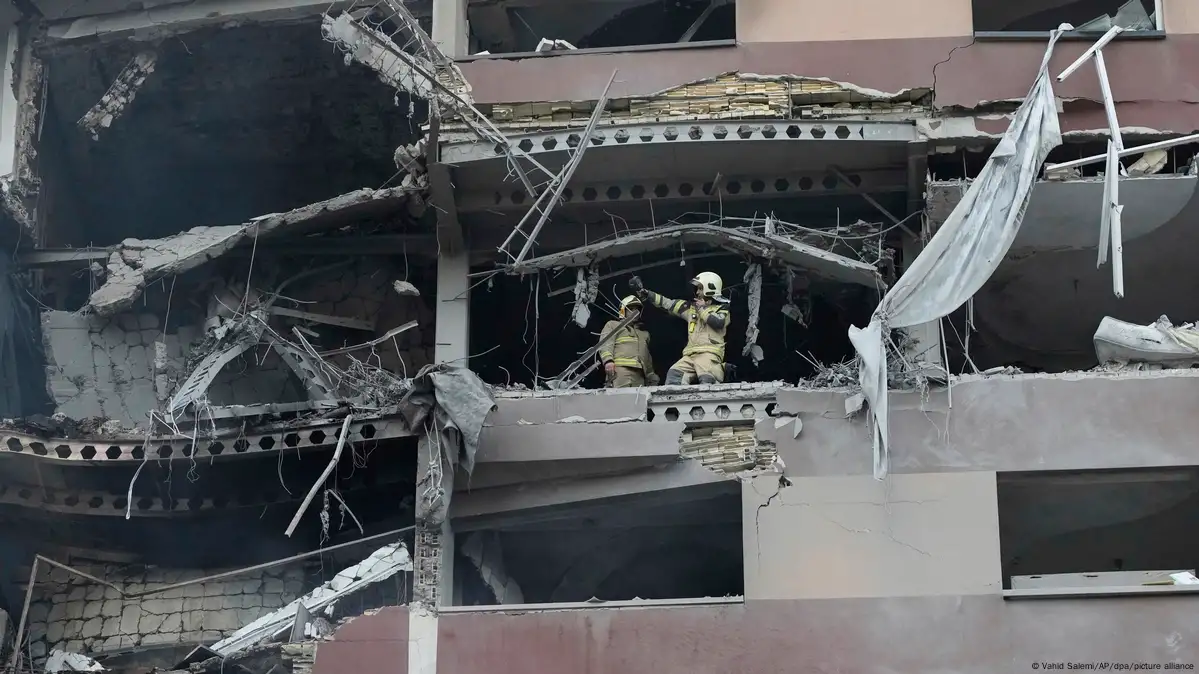
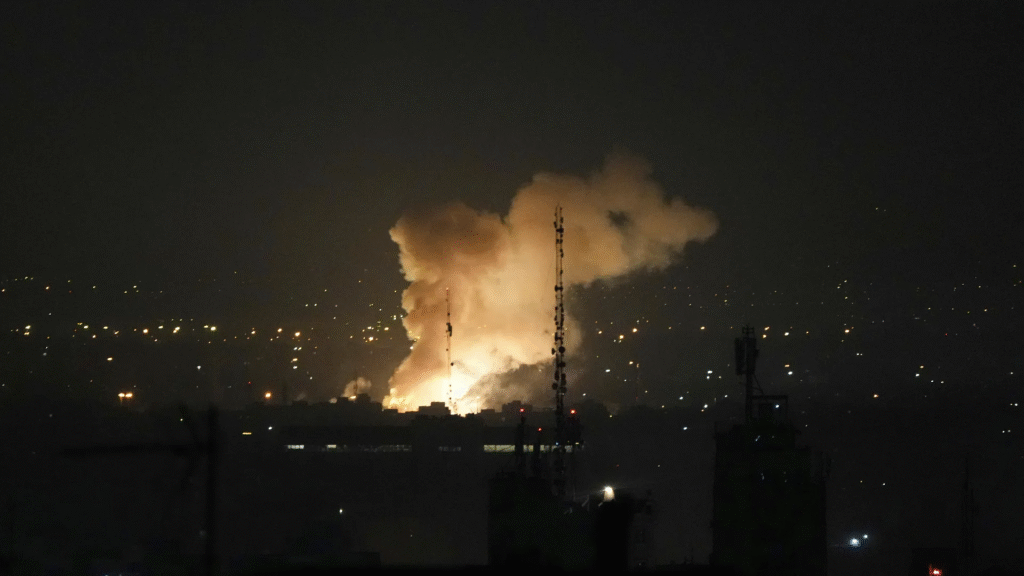
Israel has launched a large-scale attack against Iran, assassinating the head of the Islamic regime’s armed forces in what it described as a “pre-emptive strike” on Tehran’s nuclear programme.
General Mohammad Bagheri, Iran’s chief of the military staff, was killed along with several top commanders and nuclear scientists as Israel launched waves of attacks, including a strike on Natanz, Tehran’s uranium enrichment facility.
Israel stated that more than 200 combat jets were deployed in the operation, and 100 targets were struck.
The attacks came amid growing concerns in Israel that Iran was just weeks away from developing weapons-grade uranium.
According to sources, Israel’s Mossad intelligence agency spent years preparing for the strikes against Iran’s missile and nuclear sites. The operation involved the construction of a drone base close to Tehran. The drones were activated overnight, striking surface-to-surface missile launchers aimed at Israel, an official told The Times of Israel.
Precision weapons smuggled inside Iran were used to disable the country’s air defences, enabling the overnight strikes, the source added.
In response, Iran launched more than 100 drones, according to Israel’s military.
Israel is now bracing for a further retaliatory attack, which Tehran said would be “harsh and decisive.”
Prime Minister Benjamin Netanyahu said the military campaign would continue for “as many days as it takes,” raising fears of all-out war.
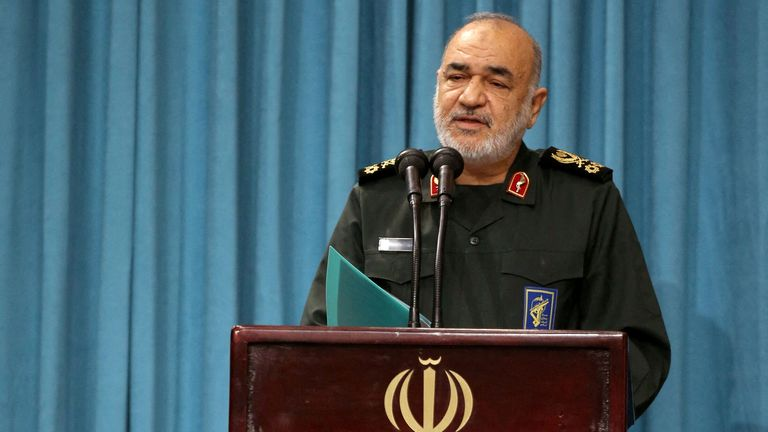
Bagheri was the Islamic Republic’s highest-ranking military officer. The strikes also reportedly killed Hossein Salami, the leader of Iran’s powerful Islamic Revolutionary Guard Corps.
Israel reiterated that 200 jets were deployed and 100 targets were struck.
Former US President Donald Trump admitted that he knew in advance about Israel’s plans to strike Iran, stressing that Tehran “cannot have a nuclear bomb.”
The US confirmed on Thursday night that it was not involved in the attack, which appears to have killed some Iranian officials in their homes.
Speaking to Fox News on Friday, Trump said he had been informed about Operation “Rising Lion” — which he claimed was carried out with Washington’s help — before it happened.
“Iran cannot have a nuclear bomb, and we are hoping to get back to the negotiating table. We’ll see — there are several people in leadership in Iran that will not be coming back,” he said.
Trump also emphasised that the US is ready to defend its forces in the region and support Israel if Iran retaliates.
Israel’s Foreign Minister Gideon Saar said the decision to strike nuclear and military targets in Iran came “at the last possible minute, after all other avenues had been exhausted.”
Speaking to his German and Italian counterparts on Friday, Saar stated: “The whole world saw and understood that the Iranians were not ready to stop, and we had to stop them. The latest IAEA report illustrated the serious Iranian violations. We know that challenging days lie ahead, but we have no other choice.”
NATO Secretary-General Mark Rutte said it was “crucial” for Israel’s allies to work toward de-escalation.
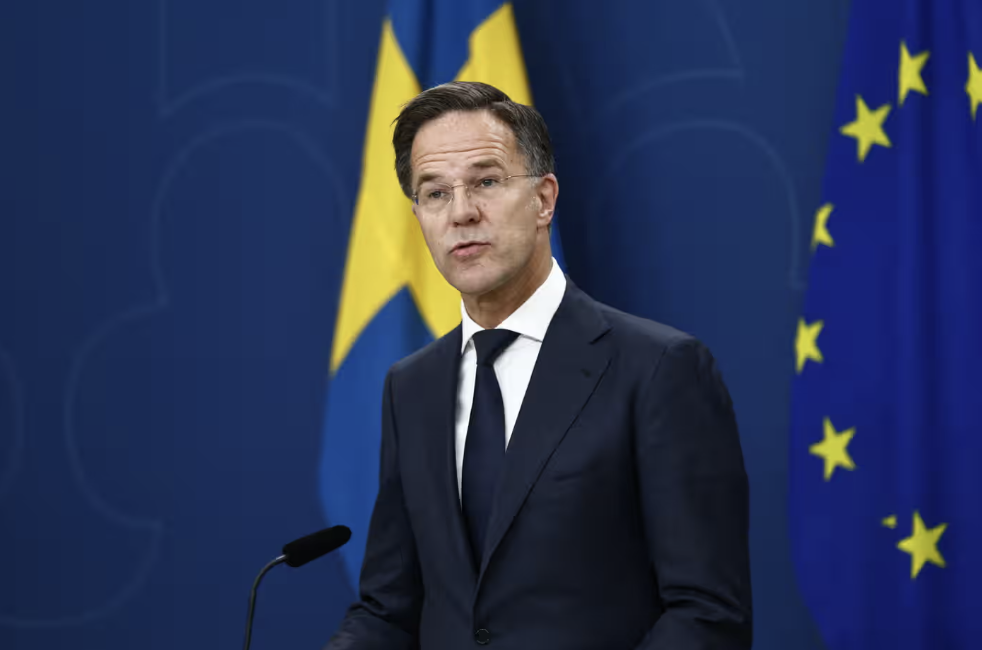
“I think it is now crucial for many allies, including the United States, to work, as we speak, to de-escalate. I know they are doing that, and I think that is now the first order of the day,” Rutte told reporters at a press conference in Stockholm, noting that Israel’s action had been “unilateral.”
German Chancellor Friedrich Merz said his Israeli counterpart, Benjamin Netanyahu, had informed him of the attack on Friday morning.
He acknowledged Israel’s right to defend itself and stated that Iran should not be allowed to develop nuclear weapons, but he also urged both sides to avoid escalation.
“The Federal Government has repeatedly expressed concern about Iran’s advanced nuclear weapons programme for many years,” Merz said. “This programme violates the provisions of the Nuclear Non-Proliferation Treaty and poses a serious threat to the entire region, especially to the State of Israel.”
He added that Germany would strengthen protections for Jews and Israeli citizens within its borders.
Meanwhile, a senior Russian politician expressed strong support for Iran and warned that Israel’s strikes could trigger a full-scale regional war.
“That is without doubt,” said Konstantin Kosachev, vice-speaker of the Federation Council, Russia’s upper house of parliament. “We can and must hope for another demonstration of restraint from Iran. One must always hope for the best, but naturally, there are limits to [Iran’s] patience.”
Kosachev said that halting further escalation was only possible “in the case of a monolithic unity and consensus within the international community in rejecting what Israel is doing and affirming that Iran has a right to a nuclear programme for civilian purposes.”
He added: “Alas, there is no — and will be no — such consolidated unity.”
Dmitry Peskov, spokesman for President Vladimir Putin, told reporters: “Russia is worried and condemns the sharp escalation in tension.”
On Wednesday, Russia offered to remove highly enriched uranium from Iran and convert it into civilian reactor fuel, as a potential way to narrow differences between Washington and Tehran.
