

Listen to the article
Polish counter-terrorism police have been deployed near Russia’s Kaliningrad exclave following intelligence warnings of possible sabotage attacks and incursions by armed groups.
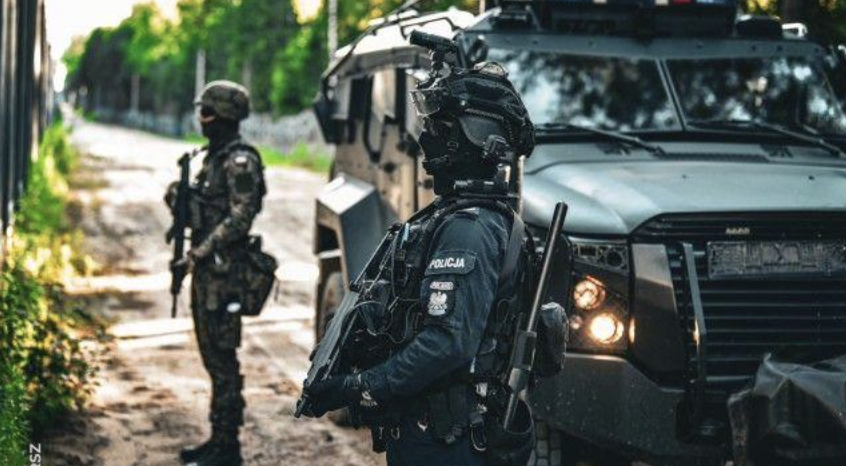
A large contingent of officers, including specialist counter-terrorism units brought in from across Poland, is working alongside the military, border guards and intelligence services to protect communities and infrastructure along the country’s northeastern frontier.
Poland’s elite GROM military special forces unit has also been deployed to the border, according to Polish media reports citing a military spokesman. The operation is intended to counter possible incursions by armed sabotage and reconnaissance groups operating from Russian territory.
Authorities have not disclosed the exact number of personnel deployed or confirmed whether armoured vehicles are being used.
Prime Minister Donald Tusk said on Tuesday, November 03, that Polish border guards had prevented a possible provocation overnight after observing suspicious movements near the Russian border.
Tusk said: “Just after midnight, I received information from the border guards that disturbing movement had been observed on the Polish-Russian border.”
He said individuals carrying flashlights had been spotted near the frontier, although authorities could not establish with certainty whether the incident was an attempted provocation.
Tusk confirmed that additional police and military personnel, including counter-terrorism units, had been deployed following more precise intelligence warnings of possible sabotage or incursions by armed individuals during the first half of November.
Poland’s national police chief, Marek Boroń, confirmed the operation on Monday, November 02, saying officers were securing the border against potential attacks.
Speaking to Polish broadcaster RMF FM, Boroń said: “Police are securing the Kaliningrad region against possible events that could lead to acts of sabotage.”
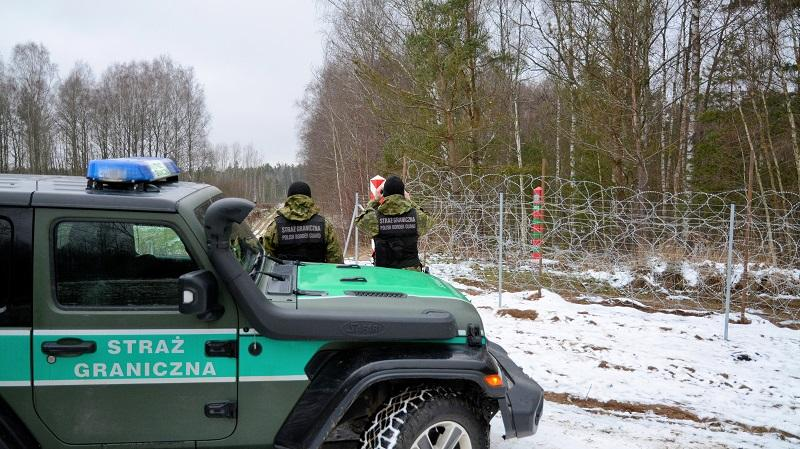
The deployment follows warnings from Polish military intelligence and allied agencies that armed groups could attempt to cross into Polish territory from Russia in the coming days.
A special command centre has been established at the National Police Headquarters in Warsaw, with regional police commands coordinating operations in Warmia-Masuria and Podlaskie, the two northeastern regions covered by the deployment.
Boroń said: “It is based on information that was also provided by external agencies. We have to ensure the safety of citizens who live there but also of facilities and of a whole range of situations which could endanger society.”
Tusk said Polish and allied intelligence agencies had been warning of possible Russian provocations, with the latest information pointing to a more immediate threat.
“We have been receiving information for some time from our services and from allies’ services that … acts of diversion or more serious provocations on the border with Russia, or even sabotage acts orchestrated by hostile services, could occur,” he said.
Tusk also revealed that General Alexus Grynkewich, NATO’s Supreme Allied Commander Europe, had raised concerns about possible escalation during a visit to Warsaw in October.
Polish authorities have not publicly identified the groups suspected of planning possible incursions or established whether they include Russian military personnel, intelligence operatives or recruited proxies.
However, the National Police Headquarters has linked the heightened security measures to sabotage and subversive activity by eastern intelligence services, a reference to Russia and its ally Belarus.
Police have been instructed to maintain heightened operational readiness between November 02 and 08.
Boroń rejected speculation that the mobilisation was connected to Poland’s ongoing Constitutional Tribunal dispute, insisting that the measures were responding to security threats.
The latest deployment comes amid growing concerns about suspected Russian intelligence operations targeting Poland and other NATO countries.
Polish authorities have previously investigated alleged sabotage plots involving arson, railway infrastructure and attempts to disrupt military supplies destined for Ukraine.
In October, authorities investigated an alleged plan to set fire to a Polish factory producing military drones for Ukraine after a suspected Russia-linked recruiter reportedly offered $30,000 to carry out the attack.
In November 2025, Polish prosecutors investigated railway sabotage incidents attributed to individuals acting on behalf of a foreign intelligence service.
Tusk said at the time that two suspects were working for Russian intelligence. Moscow has denied allegations of involvement in sabotage across Europe.
Kaliningrad is a heavily militarised Russian territory on the Baltic Sea, separated from mainland Russia and bordered by NATO members Poland and Lithuania.
Formerly the German city of Königsberg and part of East Prussia, the territory came under Soviet control following Germany’s defeat in the Second World War in 1945.
The Soviet Union established the Kaliningrad region in 1946 and renamed its principal city after Soviet politician Mikhail Kalinin. It became a Russian exclave following the collapse of the Soviet Union in 1991.
The territory now hosts Russian naval, missile and air defence installations, including facilities associated with the Baltic Fleet, making it strategically important to Moscow’s military presence in the Baltic region.
Nearby lies the Suwałki Gap, a narrow corridor of Polish and Lithuanian territory separating Kaliningrad from Belarus.
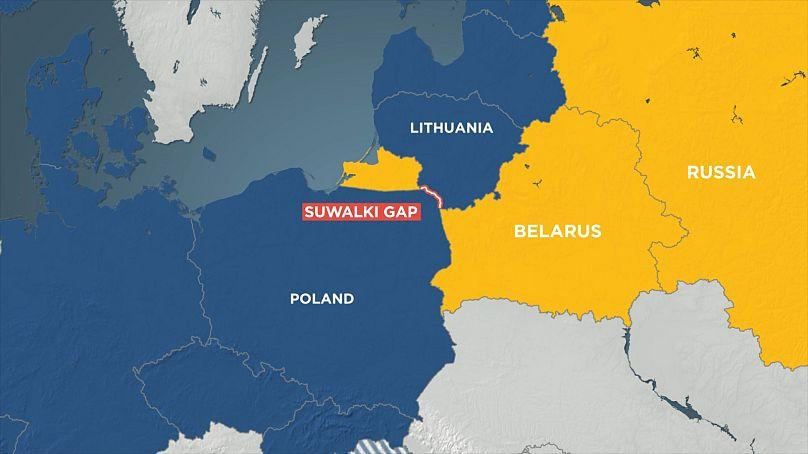
The corridor provides the only land connection between the Baltic states and the rest of NATO, making it a potential vulnerability in any conflict with Russia.
Polish authorities have not reported a confirmed armed incursion linked to the current intelligence warnings, while the circumstances surrounding the overnight border incident remain uncertain.
Police describe the deployment as a preventive measure, with additional personnel remaining in place while security and intelligence agencies assess the threat.
