


Listen to the article
Saudi Arabia has reportedly offered Yemen’s Houthis $1 billion to stop attacks on the kingdom as part of a proposed ceasefire mediated by Iran.
The reported offer follows a visit to Tehran by Saudi Defence Minister Prince Khalid bin Salman for talks with Iranian officials.
According to Israeli newspaper Israel Hayom, citing diplomatic sources in the Gulf, Saudi Arabia proposed transferring $1 billion to the Houthis through Iran in exchange for an end to attacks on Saudi territory.
One source claimed that Prince Khalid had brought the money to Tehran aboard a Hercules military transport aircraft. However, a Saudi official did not confirm that any funds had been transferred.
Saudi Arabia’s foreign ministry confirmed the visit on October 26, saying the talks were intended to “prevent the return of military escalation”.
The meeting involved Turkish intelligence chief Ibrahim Kalin and Pakistan’s army chief, Field Marshal Asim Munir, alongside Iranian President Masoud Pezeshkian, Foreign Minister Abbas Araghchi and Supreme National Security Council Secretary General Mohsen Rezaei.
Senior officials from Iran’s Islamic Revolutionary Guard Corps (IRGC) were also reported to have attended.
Following the talks, the four governments issued a joint statement saying they “agreed to continue the dialogue to strengthen cooperation amongst the four regional countries, including for peace and security in the region”.
The negotiations come as the Houthis continue to launch missile and drone attacks against Saudi Arabia.
On October 26, the group claimed responsibility for attacks on pumping stations along Saudi Arabia’s East-West oil pipeline and Riyadh’s King Khalid International Airport, Reuters reported. Saudi authorities did not immediately confirm the attacks.
The following day, the Saudi-led coalition reported intercepting ballistic missiles and drones targeting several parts of the kingdom, including Riyadh and the Eastern Province.
Colonel Turki al-Maliki, a spokesman for the coalition, said the interceptions caused no casualties.
The attacks have raised concerns about the security of Saudi Arabia’s oil facilities and other critical infrastructure.
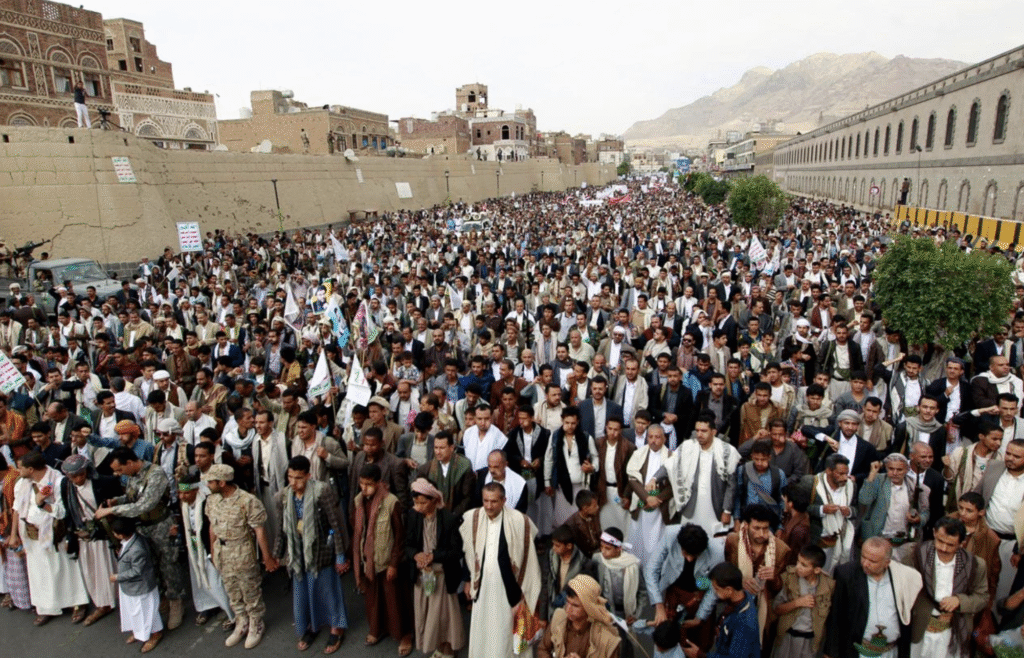
Iran has offered to mediate between Riyadh and the Houthis, although disagreements over an earlier ceasefire arrangement remain unresolved.
A Saudi official told Israel Hayom that the dispute partly concerned commitments made approximately three years ago.
Under those arrangements, Saudi Arabia was expected to provide financial assistance to pay public-sector salaries in Houthi-controlled areas of Yemen and help rebuild civilian infrastructure damaged during the conflict.
In return, the Houthis were expected to maintain a ceasefire and stop attacking Saudi Arabia.
The group has since accused Riyadh of failing to honour those commitments and has cited the dispute to justify renewed attacks.
However, Israel Hayom reported that Saudi Arabia remained opposed to accepting a ceasefire under “military blackmail”.
Riyadh also reportedly refused to provide further funding until the Houthis returned territory seized from Yemen’s internationally recognised government, which Saudi Arabia supports.
The Tehran meeting also marked the first high-level talks between Iran and representatives of the Mecca mutual defence pact, signed by Saudi Arabia, Turkey and Pakistan in August.
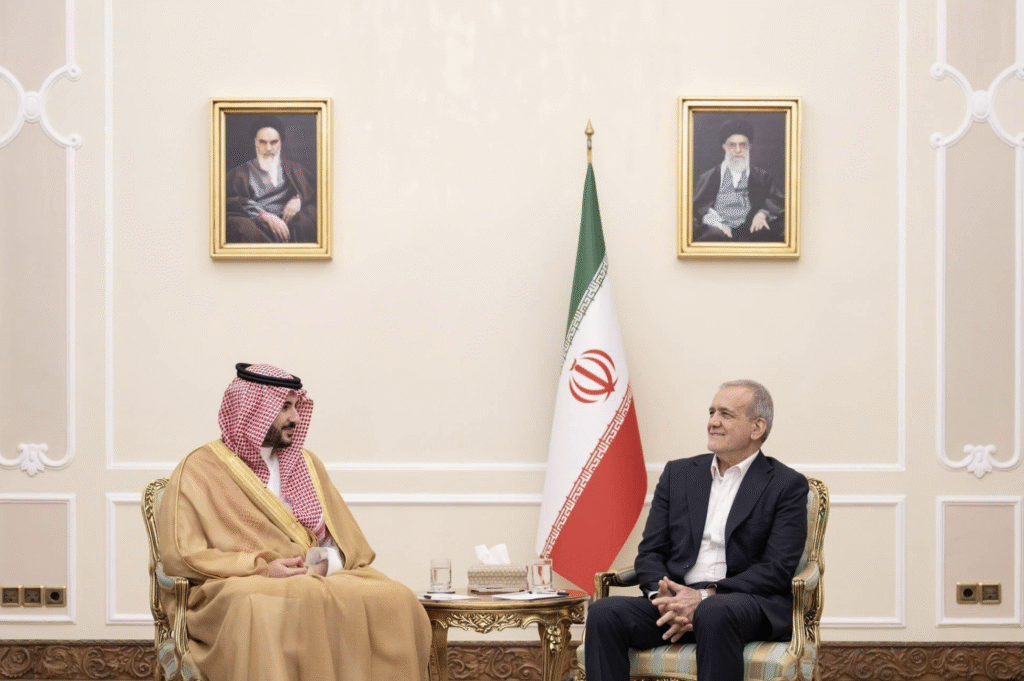
The agreement was established to strengthen military cooperation between the three countries following the expansion of the regional conflict.
Iranian Foreign Ministry spokesman Esmaeil Baghaei said the discussions would address “Israel’s expansionist policies, developments in the Palestinian territories and Lebanon, and the repercussions of US and Israeli military action against Iran”.
The talks also covered security in the Strait of Hormuz and efforts to reduce tensions between Iran and the United States.
A senior Pakistani security official told Reuters that the countries had discussed a regional non-aggression agreement.
Another official said Pakistan had proposed a compromise aimed at addressing concerns raised by Washington and Tehran.
According to the official, Saudi Arabia, Turkey, Pakistan and Qatar could act as guarantors if an agreement was reached.
Iran has sought to play a greater role in regional diplomacy while opposing further US or Israeli military intervention.
Iranian security chief Mohsen Rezaei described the talks as evidence of a “new and positive atmosphere” in the region, according to Iranian state media.
On October 26, Egypt’s parliament authorised military assistance to Saudi Arabia following concerns over attacks on the kingdom’s infrastructure.
However, major disagreements remain over financial assistance, territory controlled by the Houthis and the terms of any future agreement.
Neither the reported $1 billion offer nor the claim that money was transported aboard the Saudi defence minister’s aircraft has been independently confirmed. No agreement involving the proposed payment has been publicly announced.
