

Listen to the article
Germany’s intelligence chiefs have warned that Russia’s “shadow war” against Europe is entering a more dangerous phase.
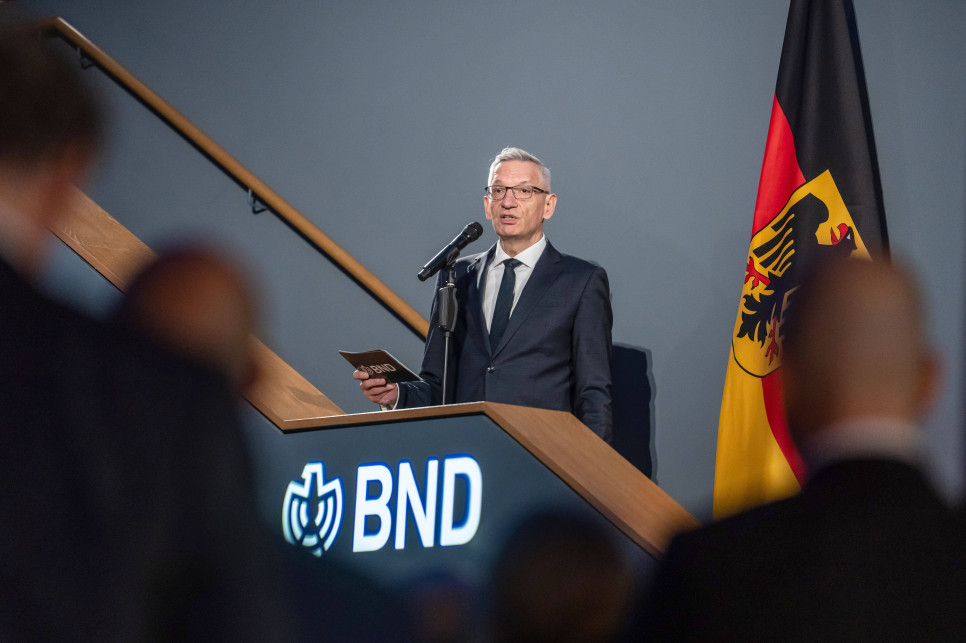
Martin Jäger, president of Germany’s foreign intelligence service, the BND, said: “No other country currently poses such a direct, comprehensive, and concrete threat to Germany.”
He added: “Germany is in danger of becoming embroiled in a violent conflict with Russia.”
The warnings came at the annual public hearing of the Bundestag’s Parliamentary Control Committee, where the heads of Germany’s intelligence agencies gave an unusually open assessment of the threat posed by Moscow.
Sinan Selen, president of Germany’s domestic intelligence service, the Federal Office for the Protection of the Constitution (BfV), said: “The military scenarios envisioned for the year 2029 have already become a reality today in the shadowy world of intelligence.”
His comments referred to assessments that Russia could develop the capability to attack NATO territory within the coming years.
German intelligence currently sees no indication that Moscow is preparing an imminent conventional attack against the alliance.
Instead, officials believe Russia is waging a campaign below the threshold of conventional warfare through sabotage, cyberattacks, disinformation and espionage.
Selen described the activity as “coldly calculated destabilisation operations”.
Transport networks, military infrastructure and defence companies are considered particularly at risk, while German officials have also warned about Russian attempts to interfere with Western arms supplies to Ukraine.
One case highlighted by the intelligence chiefs was an attempted attack at Leipzig/Halle Airport in August, when a drone carrying explosives was discovered near a Ukrainian cargo aircraft.
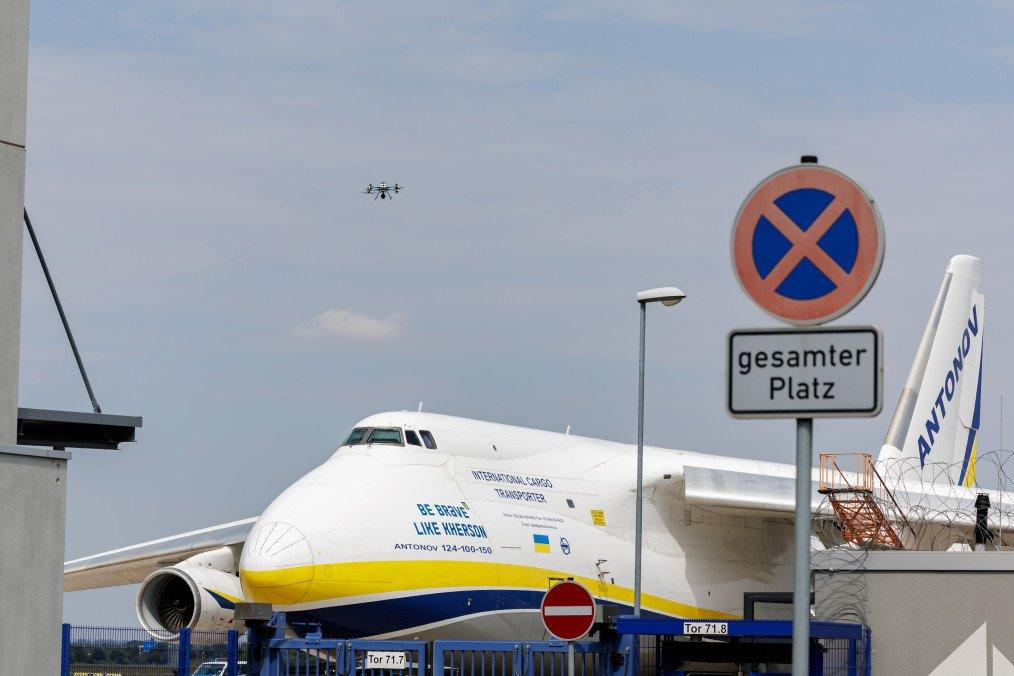
German authorities have pointed to evidence of Russian involvement in the incident.
The BfV is also increasingly concerned about Moscow’s use of so-called low-level agents – people recruited locally to conduct espionage, provide logistical support or carry out acts of sabotage.
Selen said: “Social media plays a central role here.”
German intelligence officials also warned that Russian services were increasingly working with organised crime groups, potentially giving Moscow another means of conducting operations while obscuring direct links to the Russian state.
Drone flights over NATO territory and violations of European airspace were also cited as examples of Moscow testing the boundaries of what Western governments will tolerate.
Jäger said: “Russia is very deliberately shifting the bar here toward a kind of new normal.”
German intelligence is particularly concerned that Moscow could eventually conduct limited or covert operations against NATO members to test the alliance’s response.
Jäger raised the Baltic states as a potential area of concern and recalled Russia’s seizure of Crimea in 2014, when Russian troops initially operated without identifying insignia.
Officials believe similar deliberately ambiguous operations could be used to test NATO without immediately launching an overt conventional attack against an alliance member.
Such an operation could leave NATO facing a difficult decision over how and when to respond.
The warnings come amid growing concern across Europe over suspected Russian sabotage and drone activity.
European governments have reported incidents involving undersea cables, transport networks, military facilities and other critical infrastructure, while unidentified drones have repeatedly been detected around sensitive sites.
NATO countries have also accused Moscow of using cyber operations, disinformation and covert influence campaigns as part of a broader effort to undermine Western governments and weaken public support for Ukraine.
Germany itself is considered an important target because of its military, financial and humanitarian support for Kyiv.
Jäger said Russia regarded Germany as a “major obstacle to Russia’s hegemonic power projection in Europe.”
He added: “If Germany were to falter, all of Europe — and Europe’s support for Ukraine — would begin to unravel.”
Asked whether Germany would be safer if it reduced its support for Kyiv, Jäger said continued assistance to Ukraine was in Germany’s national interest.
The intelligence chiefs also warned that pressure on Ukraine was likely to intensify over the coming winter, alongside further Russian attempts to disrupt Western military assistance.
Germany is meanwhile considering an expansion of the powers available to its intelligence services as Berlin responds to the changing threat.
The proposals would increase the agencies’ ability to collect, store and automatically analyse data. They could also allow German intelligence, in certain circumstances, to take more active measures against threats including sabotage and cyberattacks.
Selen said: “Amid geopolitical instability, conflict-prone systemic rivalry and hybrid aggression, there is a greater need than ever for tailored capabilities and robust security systems.”
Jäger said: “If we have these powers, then we will use them. And our adversaries will feel the consequences.”
