

Listen to the article
Protecting the supply of critical minerals vital to the renewables market is an emerging threat to energy security, the head of the International Energy Agency has warned.
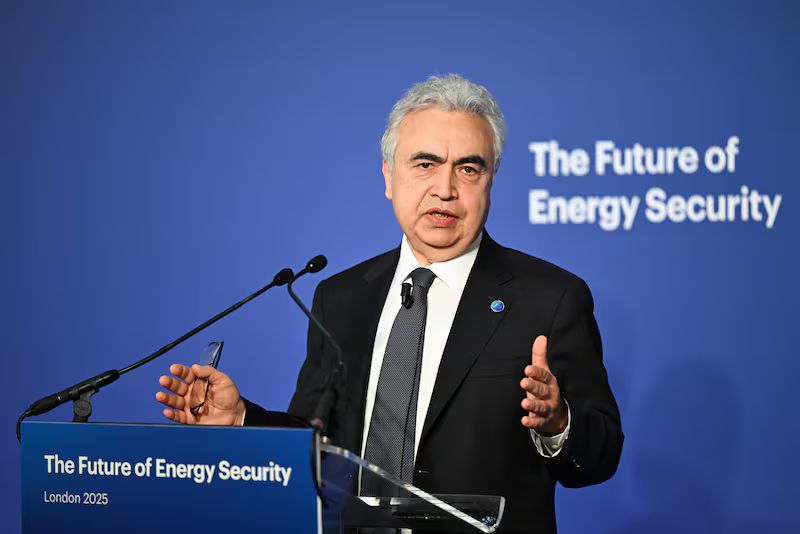
Dr Fatih Birol told a high-level conference on global energy security that while the threat to fossil fuel supplies—whether through wars, environmental disasters or sabotage—remained a major risk to global trade, there were also growing concerns over the concentration of critical minerals in just a few countries.
Hosted by the British government and the International Energy Agency, the two-day summit brought together government ministers from 60 countries, senior European Union officials, energy sector CEOs and heads of international organisations to assess risks to the global energy system and find solutions.
Dr Birol stressed the crucial role of critical minerals in the “remarkable story of the very strong expansion of clean, advanced energy technologies” in recent years, which meant that 85 per cent of all new power plants in 2024 were either solar, wind or hydropower, with another five per cent being nuclear.
One in four cars sold globally was electric—and that figure was only going to grow. But that, in itself, was creating a “problem”, he said.
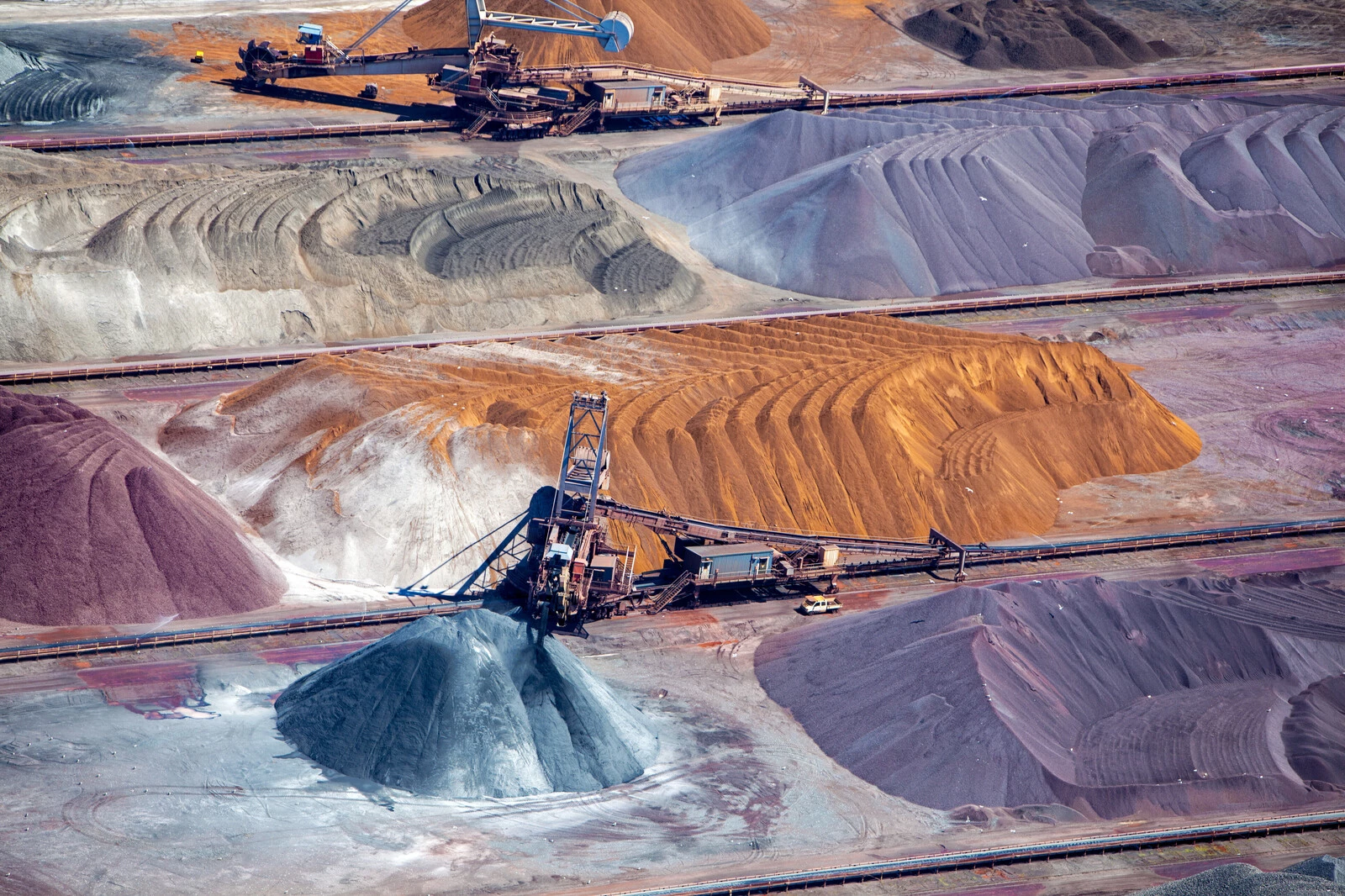
“To manufacture these new clean energy technologies, you need critical minerals,” he said. “We look at where the critical minerals are produced, where they are refined, and where they are manufactured—that is a huge concentration, and this is something that we think is risky.”
The world’s top critical mineral producers are China, the Democratic Republic of Congo, Australia, Chile, Indonesia, and, to a lesser extent, the United States.
Australia recently announced an initial investment of $763 million to set up a strategic reserve of critical minerals, as it looks to create a separate supply chain in a market dominated by China.
With the threat of conflict or climate change, this concentration of raw materials in a handful of countries was a “risky business”, said Dr Birol, and one that the IEA considered “a new emerging energy security challenge”. It was also the reason why the agency had established a critical minerals programme.
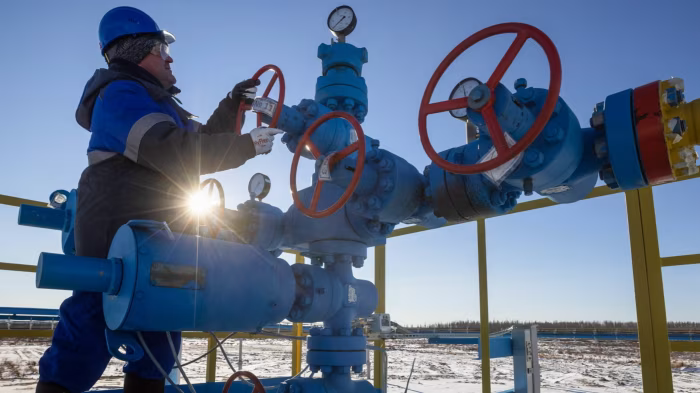
He added that global powers needed “to be frank to ourselves” and recognise that there were now two energy security risks: those posed by critical minerals and those by oil and gas, which “will remain as part of the energy mix for years to come”.
Tommy Joyce, the US Acting Assistant Secretary of Energy for International Affairs, told participants they should be “honest about the world’s growing energy needs, not focused on net-zero politics”.
He called policies that push for clean power over fossil fuels “harmful and dangerous”, and claimed that building wind turbines requires “concessions to or coercion from China” due to its supply of essential rare minerals.
The conference was opened by UK Energy Secretary Ed Miliband, who shared a surprise message from King Charles III that the monarch had asked him to read out.
“As we all navigate the transition to cleaner energy for our planet and energy security for our citizens, summits such as these are vital for facilitating shared learning between nations, particularly those in the Global South and across the Commonwealth,” the King said.
Likely referring to the energy shock triggered by Russia’s invasion of Ukraine, he stated that “events in recent years” had demonstrated how sustainable energy could lead to “more resilient and secure energy systems”.
With Britain leading the way in wind energy—it has three of the world’s five largest wind farms—Mr Miliband emphasised that the push for renewables meant clean power was “about energy security as much as fighting climate change”.
“As long as energy can be weaponised against us, our countries and our citizens are vulnerable and exposed,” he said. Britain’s approach to becoming a low-carbon power was “a route to energy security”.
“Low-carbon energy can play a critical role in delivering energy security for many countries around the world, and it presents a solution to the issue of energy security that simply wasn’t true a decade and a half ago,” he added.
