

Listen to the article
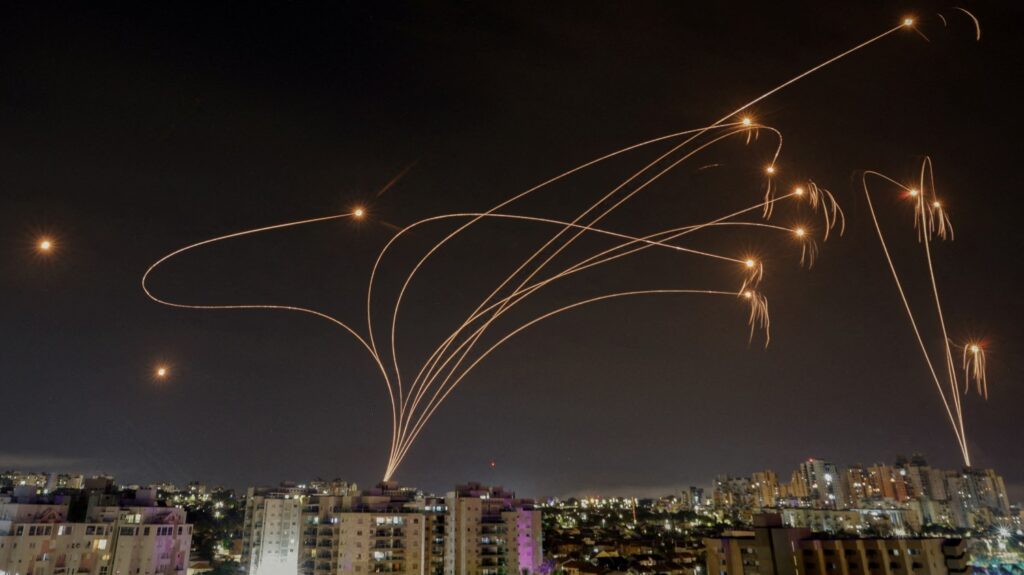
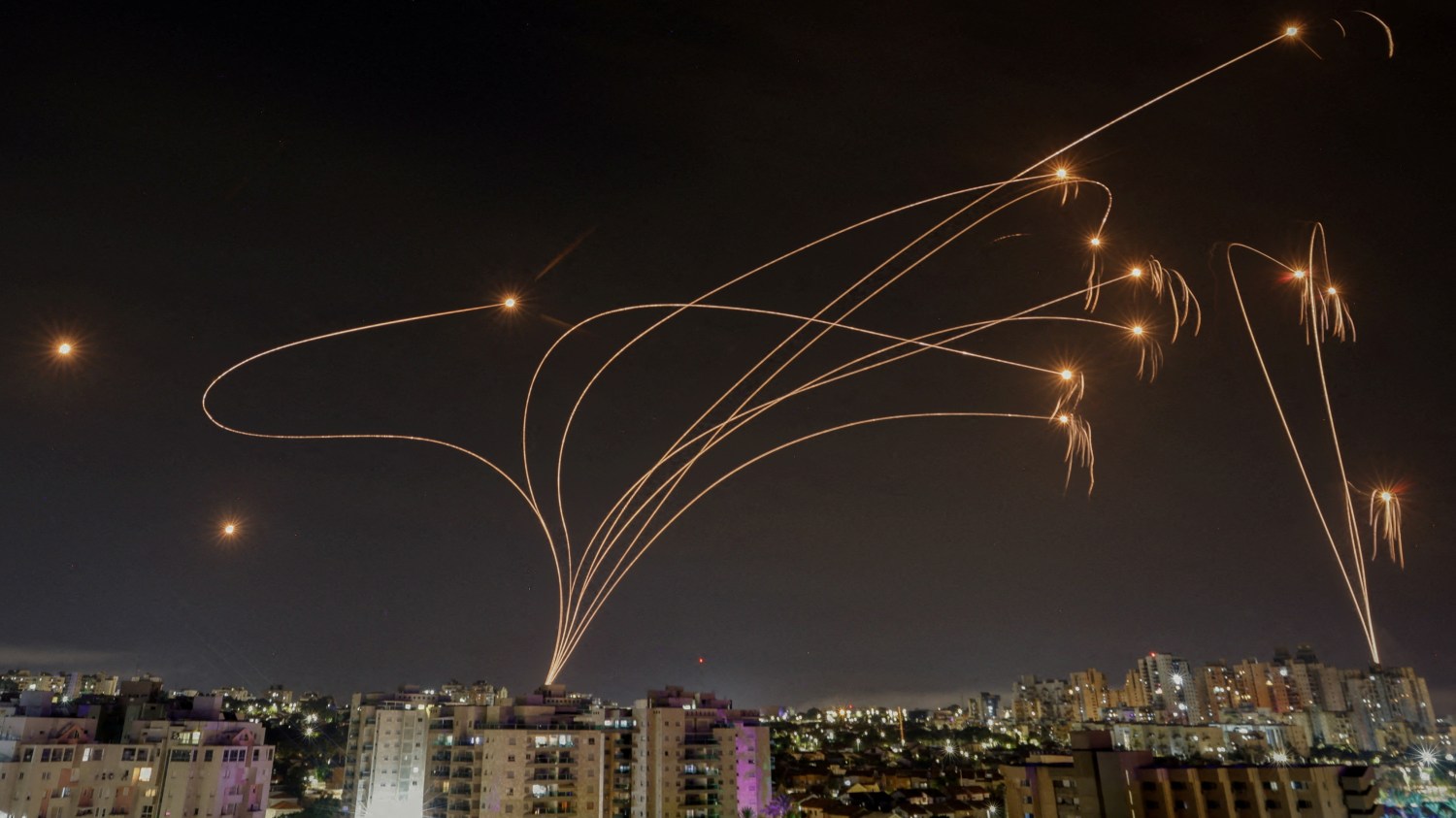
British defence chiefs are considering plans to develop an Israeli-style air defence dome amid fears that the UK could be targeted by long range missiles and attack drones.
Admiral Sir Tony Radakin, the Chief of the Defence Staff and the Armed Forces most senior officer, said the plans were part of a “live conversation” to help the UK and its allies “better defend ourselves” against threats which “will only increase.”
Admiral Sir Tony said the UK will require an Iron Dome system in the future, and added: “We’ve got certain capabilities at the moment that help to protect the UK and help our forces when they’re stationed abroad.
“We don’t have the same kind of system that Israel has, but we don’t live in the same type of neighbourhood that Israel lives in. So, that’s why it’s very different. And we also are part of this big alliance.”
However during an interview with the radio station LBC, he added: “But when you look at the threats that are out there, far more longer-range missiles, far more longer-range one-way attack drones, much easier ways of delivering those — that’s why we’ve got various initiatives, both for ourselves as the UK but also with our European allies, about how we might better defend ourselves in the future, conscious that those threats are probably going to increase.”
There is concern that although Britain has a comprehensive air defence strategy, the country lacks land-based systems to defend London or its nuclear power stations from a mass missile and drone attack.
Israel’s Iron Dome air defence system has been heralded as one of the world’s best. The Jewish state has at least 10 missile batteries capable of intercepting enemy munitions, at a success rate of 90 per cent, across the country.
Britain relies on a complex, multi-layered approach to its air defences, with Typhoon fighter jets and Type-45 destroyers, armed with Aster missiles, tasked with providing the main anti-missile firepower.
The military can monitor ballistic missiles launched from Russia at the RAF radar base at Fylingdales, North Yorkshire.
Munitions launched from the Middle East are more likely to be tracked from radars, accessed by Nato, in Turkey, Qatar and Israel.
It is likely any missiles launched in the direction of the UK will be intercepted by systems based across Nato allies long before they reach British shores.
But in the event projectiles do slip through, Typhoons can be scrambled to tackle the incoming munition – as they did before Iranian-launched drones reached Israel.
The threat of enemy missiles reaching Britain has been considered minimal since the Cold War, with other areas of the defence budget prioritised.
Tobias Ellwood, a former chairman of the Commons Defence Committee, said the changing nature of modern warfare, where Britain’s adversaries launch huge barrages aimed at overwhelming air defence systems, meant the country needed a “permanent umbrella of security”.
The MP added: “We need to prepare for all scenarios. We need to prepare for a multitude of types of attack from the non-state to state actors. And that will require investments, absolutely, in an Iron Dome for the UK.”
“This must be seen as a wake-up call,” Mr Ellwood added. “We must recognise where the world is going. We need to invest. It’s absolutely important to spend 3 per cent of GDP. How do we spend it? This [air defence] is a great example.”
Mr Ellwood added: “Clearly because of the character of modern warfare there, we need a permanent umbrella of security defending our key locations.
“The sheer number of drones and missiles centred at any one time is done with intent that some will penetrate any air defence system.”
Mark Francois, the former Armed Forces Minister, said: “We have nothing remotely comparable to the very comprehensive Israeli Iron Dome system, bar a very few missiles, with limited range.”
All NATO countries have an air defence capability primarily designed and configured to destroy enemy aircraft and missile attacks. But the recent attack by Iran against Israel in which 170 armed drones, 30 cruise missiles and 120 ballistic missile were fired has raised the question of whether the UK needs to improve its air defence.
At present, the RAF has just nine frontline fast jet squadrons – including the quick reaction alert aircraft that are at the sharp end of defending against any air threat.
While modern jets – F-35 and Typhoon – are far more sophisticated than their predecessors, the UK had 30 frontline squadrons towards the end of the Cold War.
Both aircraft are fitted with air to air missiles and would be used to engage enemy aircraft and incoming drones.
The Royal Navy’s six Type 45 destroyers are equipped with the country’s only ballistic missile defence systems.
But only three of these ships are “available for operations”, according to a navy spokesperson, including one that is deployed on operations in the Red Sea defending ships from drones and missiles fired by Houthi rebels based in Yemen.
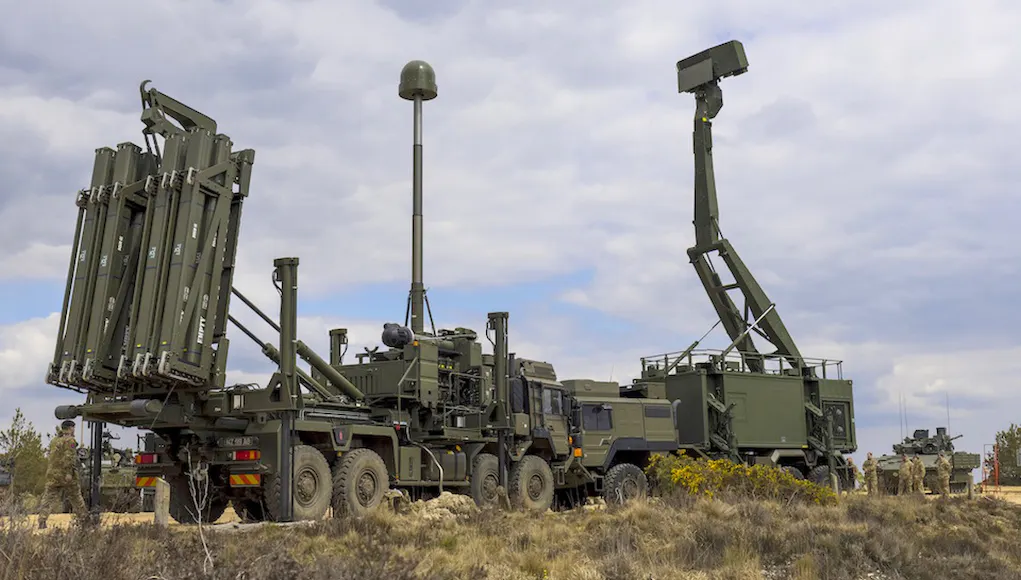
On land, the Army has around six batteries of Sky Sabre ground-based air defence systems, each Royal Artillery battery is composed of between two and three launchers and – each one able to shoot down multiple missiles.
It can control 24 missiles simultaneously to intercept 24 targets in flight, as well as shoot down fighter jets, drones and laser-guided bombs.
But at least two of these weapons – almost certainly more – are deployed overseas, and those in the UK only have a very limited range of around 120km.
Britain is seeking to enhance its ground-based air defence systems, including signing up to a German-led scheme to create a “European sky shield”.
It has also recently unveiled the DragonFire laser weapon designed to take out enemy drones from warships.
Jack Watling, a senior research fellow at the Royal United Services Institute, called the UK’s current array of air defences “woefully inadequate”.
Britain does benefit from its geography, with a lot of European NATO countries between its shores and Russia.
However, the air defences of many European nations have also been reduced to save money since the Soviet Union collapsed.
“We always hear this argument from the Ministry of Defence that gaps in our own capability are acceptable because we’re part of an alliance,” Mr Watling said.
“It’s a little bit like if you were going round to a ‘bring your own booze’ party and you said: “Well, there’s other people coming, so I’m not going to bring any alcohol.
“If everyone adopts that approach, then there is simply nothing to drink. And when we look across NATO, there is an overall shortage [in air defences].”
A Ministry of Defence spokesperson said: “The UK is well prepared for any event and defence of the UK would be taken alongside our NATO allies.
“As part of our commitment to invest an extra £75bn for defence over the next six years, we continue to review potential opportunities to develop our capabilities and modernise air defence across Europe in close discussion with allies and partners.”
