

Listen to the article
The Royal Navy has stepped up operations against Russian warships and submarines around Britain amid a sharp increase in Moscow’s naval activity.
Warships and helicopters spent 21 days monitoring Russian vessels in UK waters and the North Atlantic during July, with four Royal Navy ships deployed alongside submarine-hunting aircraft.
The Ministry of Defence said the number of Royal Navy operations launched to monitor Russian activity during the first seven months of this year was 25 per cent higher than during the same period in 2025.
HMS Somerset, HMS Tyne, HMS Mersey and HMS Severn were deployed during July, supported by Wildcat surveillance helicopters and Merlin anti-submarine warfare aircraft.
The operations included tracking Russian submarines in the North Atlantic and monitoring warships escorting vessels belonging to Moscow’s so-called shadow fleet, which is used to evade western sanctions on Russian oil exports.
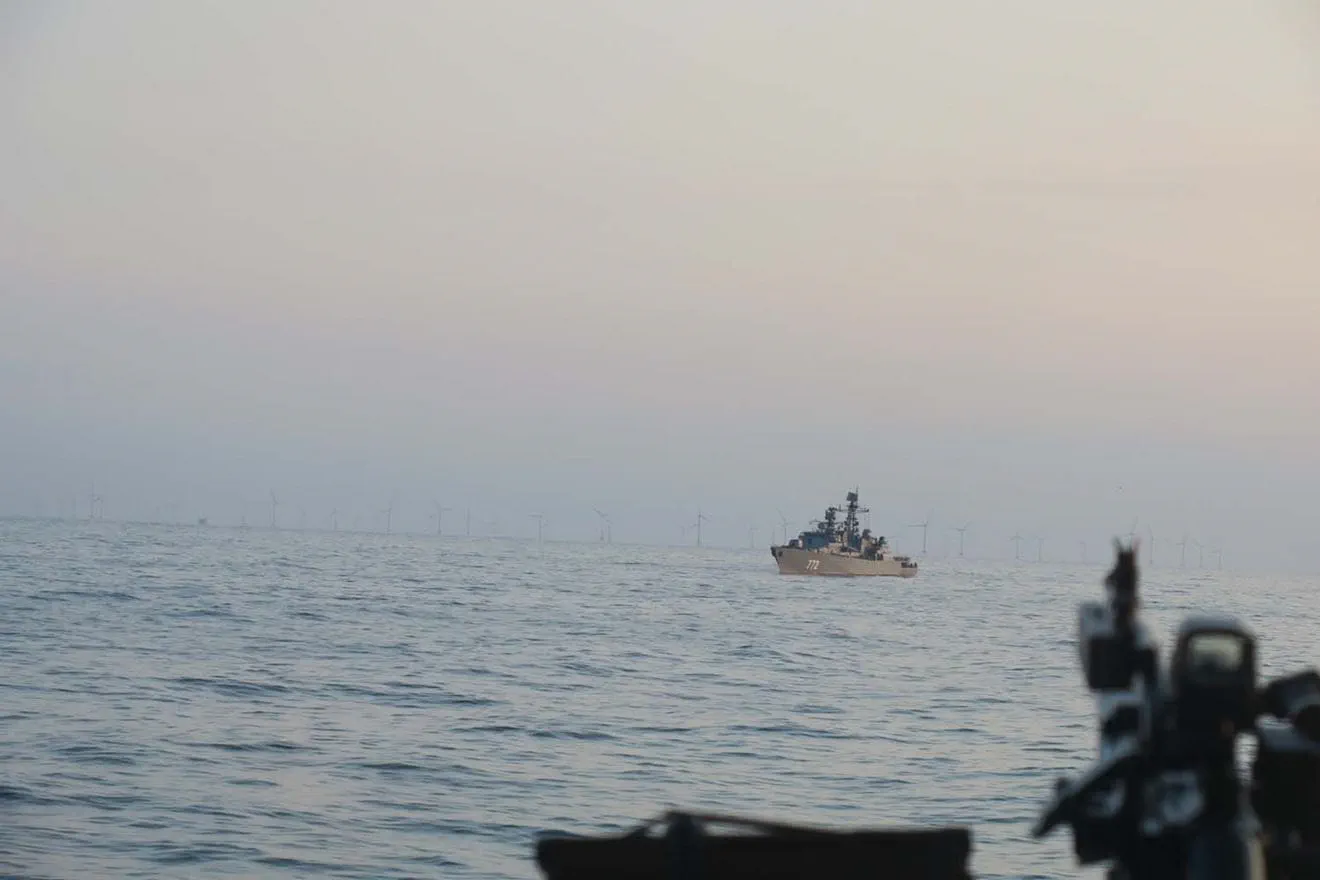
In one of the most significant encounters, HMS Tyne moved to within five nautical miles of the Russian frigate Neustrashimy as it carried out live-firing exercises outside British and French territorial waters on July 20.
The Royal Navy monitored about 20 rounds fired from the frigate’s main 100mm gun, as well as fire from its 30mm weapons.
The Portsmouth-based patrol ship remained close to the Russian vessel throughout the exercise, gathering intelligence and observing where the rounds landed.
Lieutenant Commander Sam Fields, commanding officer of HMS Tyne, said: “Through sustained presence and close cooperation with allies, HMS Tyne was ideally suited to this task, providing reassurance and monitoring while enabling other Fleet units to continue their operational commitments.”
The Neustrashimy has repeatedly passed through waters for which Britain has maritime monitoring responsibilities while escorting oil tankers linked to Russia’s shadow fleet through some of Europe’s busiest shipping lanes.
Its deployment has forced the Royal Navy to devote ships and aircraft to maintaining surveillance of the vessel while it accompanies commercial tankers.
Britain and its allies believe Moscow has assembled a fleet of ageing and often obscurely owned tankers to transport Russian oil and evade sanctions imposed after the invasion of Ukraine.
The Government has sanctioned more than 500 vessels believed to be connected to the shadow fleet.
In June, Britain interdicted the sanctioned tanker Smyrtos in the English Channel as part of efforts to disrupt Russian oil exports.
The Government says measures against the fleet are intended to reduce the income available to President Putin to finance the war in Ukraine. Russian oil and gas revenues fell by 24 per cent year on year in 2025.
The increased naval activity comes as Britain and its Nato allies devote greater resources to monitoring Russian submarine movements in the North Atlantic, an area regarded as crucial to the defence of Britain and the protection of its nuclear deterrent.
HMS Somerset, a Type 23 frigate specialising in anti-submarine warfare, returned to Plymouth on Friday after a four-month deployment during which it sailed more than 24,000 nautical miles.
The frigate operated with a Merlin helicopter from 814 Naval Air Squadron and used its underwater sensors to search for and track submarine activity.
Its mission formed part of Britain’s standing operation to protect the nuclear deterrent, as well as wider Nato efforts to monitor Russian submarines operating in the North Atlantic.
Commander Matt Millyard, HMS Somerset’s commanding officer, said: “This deployment demonstrates exactly what the Royal Navy exists to do, protect the UK and our allies from wherever our interests are threatened.
“I am immensely proud of every single member of the ship’s company for what we have achieved over the past four months. Whether it’s tracking submarines, working alongside Nato allies and the Carrier Strike Group, or maintaining the ship at exceptionally high readiness for so long, their professionalism and spirit has been outstanding.”
HMS Severn was also scrambled twice during July to intercept Russian warships.
The patrol ship initially shadowed the frigate Admiral Grigorovich as it sailed east from waters near Ushant, off the French coast, towards the Dover Strait.
It was subsequently sent on a three-day operation between July 23 and 26 to intercept the Neustrashimy, taking over surveillance duties from HMS Mersey in the North Sea.
HMS Severn followed the frigate as it escorted the tanker Vulkan from the Baltic through the Dover Strait and towards Ushant.
The Royal Navy ships later exchanged responsibility again when the Neustrashimy turned back towards Dover after completing the escort.
Lieutenant Commander Dom Jacobs, HMS Severn’s executive officer, who was temporarily in command of the ship, said the operation demonstrated the ability of the Navy’s offshore patrol vessels to switch rapidly between training and operational duties.
“I’m really proud of my ship’s company’s ability to adapt quickly to changes of tasking from Fleet Ready Escort to our training output as the Fleet Navigation Training Ship,” he said.
“This shows the versatility of my crew and the other OPVs to deliver a range of tasks demonstrating our continued relevance and operational value.”
