

Listen to the article
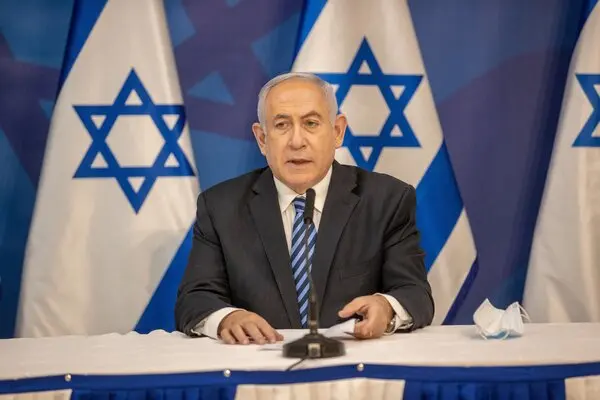
Israeli Prime Minister Benjamin Netanyahu has publicly rejected a US-backed proposal intended to bring an end to the war in Gaza, exposing an unusual disagreement with President Donald Trump only weeks after the White House announced what it described as “a historic agreement”.
The proposal, presented in July by Trump’s Board of Peace, set out a 15-point framework under which Hamas would surrender its weapons in exchange for the gradual withdrawal of Israeli forces from the Gaza Strip and the eventual transfer of authority to an independent Palestinian governing committee.
Trump said the agreement would be implemented in stages as part of a broader effort to establish a lasting settlement after almost three years of war.
Netanyahu, however, rejected the proposal’s sequence of events, insisting that Hamas must be completely disarmed before any Israeli withdrawal could begin.
Speaking on Sunday, the Israeli prime minister said Israel would not accept arrangements that allowed the group to retain military capabilities while Israeli forces left the territory.
In a statement, Netanyahu said he was confronting a “wave of rumours about Israeli weakness and Israeli withdrawals on all fronts” and signalled his opposition to efforts to end the wars in Gaza, Lebanon and Iran without Israel’s agreement.
The comments represent one of the clearest public differences between Trump and Netanyahu since the US president returned to office. Washington has remained one of Israel’s closest allies throughout the war while also seeking a broader political settlement.
According to reports, the proposed framework included provisions covering the release of hostages, security guarantees, the dismantling of Hamas’s military infrastructure and the creation of an interim administrative authority to govern Gaza.
Israeli officials have repeatedly stated that military operations will continue until Hamas no longer possesses the capability to attack Israel. Hamas, meanwhile, has resisted demands that it surrender its weapons before a comprehensive political agreement is reached.
The dispute comes amid growing international pressure to bring the war to an end. Fighting began after Hamas launched its attack on southern Israel on 07 October 2023, triggering an Israeli military campaign that has devastated much of Gaza and displaced large numbers of civilians.
Despite the disagreement, officials in both Washington and Jerusalem have indicated that negotiations remain under way. It remains unclear whether mediators can bridge the gap between the Trump administration’s timetable and Netanyahu’s insistence that the complete disarmament of Hamas must come first.
