

Listen to the article
The United States and Iran have resumed indirect talks, over Iran’s nuclear programme, after President Trump warned of “great danger” if a deal isn’t reached. Both sides described the discussions as “constructive,” though major differences persist.
US Special Envoy Steve Witkoff, speaking to Fox News, said Iran “does not need to enrich past 3.67 per cent,” the limit set by the Joint Comprehensive Plan of Action (JCPOA). Iran has reportedly enriched uranium up to 60 per cent purity, close to the 90 per cent threshold required for nuclear weapons.
“This is going to be very much about verification of the enrichment programme, and ultimately verification of weaponisation,” Witkoff emphasised. “That includes missiles, the type of missiles that they have stockpiled there. And it includes the trigger for a bomb.”
According to analysis by Jonathan Spyer, published in The Spectator, Iran is deliberately using talks to delay Western pressure and recover from regional losses without making strategic concessions.
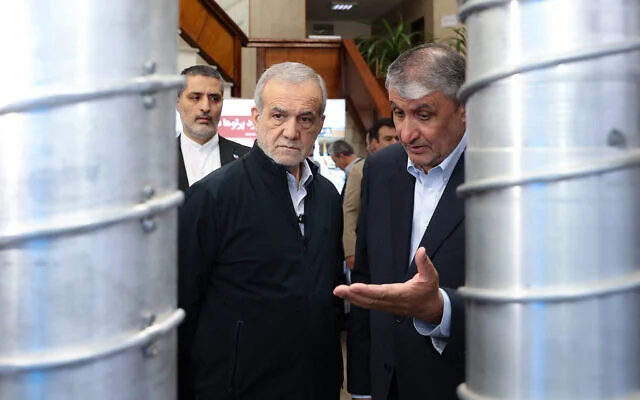
“Time is Iran’s most valuable asset,” Spyer said, arguing that Tehran seeks either the revival of the JCPOA or a drawn-out process that prevents new sanctions.
Iran has suffered regional setbacks, including diminished influence in Syria following the fall of Bashar al-Assad, and pressure on allied groups such as Hezbollah, Hamas, and the Houthis. Despite this, its core networks remain resilient, and officials appear determined to shield Iran’s ballistic missile programme and regional policy from scrutiny.
One major point of contention is a US proposal to move Iran’s enriched uranium stockpile to a third country, possibly Russia. Iranian Foreign Minister Abbas Araghchi has rejected the plan, insisting the material remain under UN supervision within Iran. The issue was reportedly raised during the Muscat meeting.
Negotiations nearly shifted venues after Italy rejected Iran’s request to use the Omani embassy in Rome. Italy had insisted that any talks on its soil be conducted under Italian auspices. Iran then confirmed that the second round would remain in Muscat, scheduled for 19 April. Confusion over the location highlighted the fragile nature of the diplomatic arrangements.
Iran has asked the US to exert pressure on European allies specifically Germany, France, and the UK not to trigger the JCPOA’s snapback sanctions mechanism. According to Tehran Times, Iran conveyed that “it would be on Washington to make sure snap back does not get activated.” The mechanism, which would restore pre-2015 sanctions, can be triggered before the deal’s expiration on 18 October.
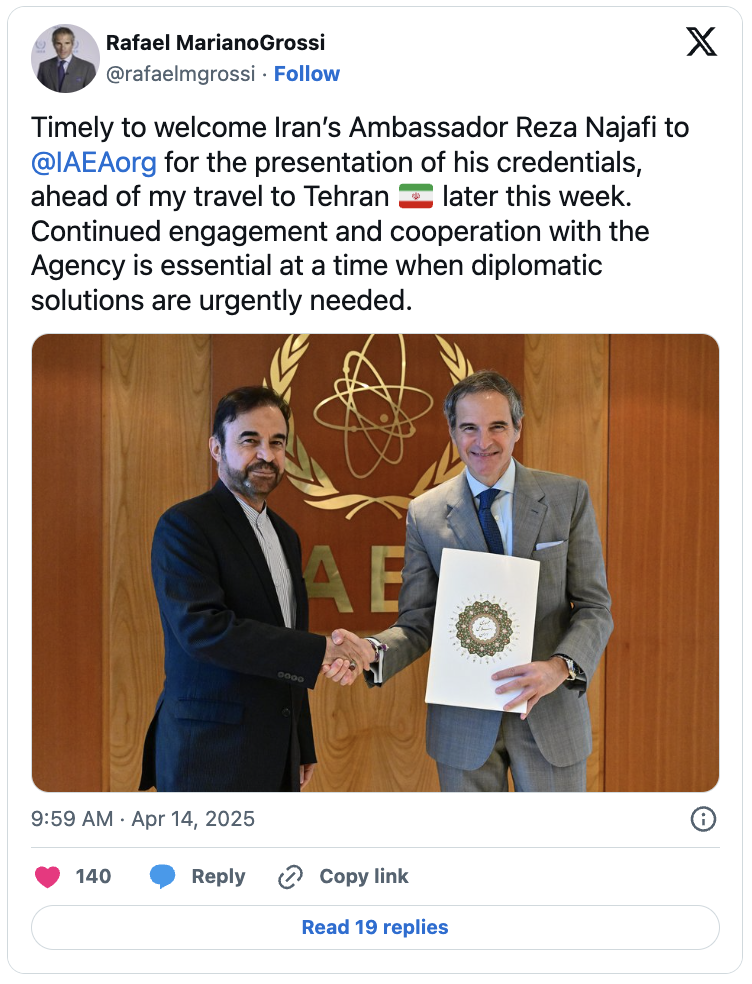
Iranian envoy Reza Najafi met with IAEA Director General Rafael Grossi this week in Vienna ahead of Grossi’s visit to Tehran. Najafi stressed the importance of impartial technical cooperation, while Grossi said: “Continued engagement and cooperation with the Agency is essential at a time when diplomatic solutions are urgently needed.”
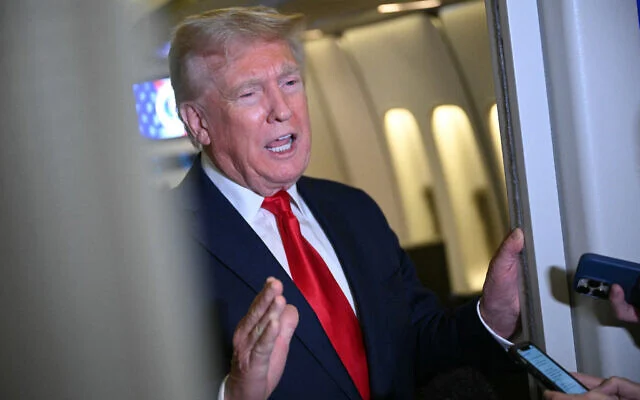
President Donald Trump, speaking to reporters on Monday, dismissed Iranian intentions as stalling. “They’ve got to go fast, because they’re fairly close to having one [a nuclear weapon]… And if we have to do something very harsh, we’ll do it,” he said.
Iran’s foreign minister Araghchi is set to travel to Moscow later this week to discuss the recent nuclear negotiations with Russian counterpart Sergei Lavrov and other officials underscoring the role Russia continues to play behind the scenes.
