

Listen to the article
The escalating geopolitical tension between Israel and Iran could potentially trigger a ripple effect, impacting African nations that are bracing for another significant economic shock through contagion. This perspective is derived from an article in ISS Today, which we are republishing with their consent. These nations face the additional challenge of navigating the complex landscape of energy geopolitics and strategic diplomacy, without jeopardizing their economic interests, according to Priyal Singh, a senior researcher at the Institute for Security Studies (ISS). The ISS says that India, Brazil, and South Africa, owing to their dual membership in both the G21 and BRICS, could play a pivotal role in restoring stability to the situation.
Escalation of Middle East hostilities will have ripple effects for Africa
Africa could be drawn into proxy battles that have domino effects on security, foreign investment and trade relationships.
This weekend’s events in the Middle East have raised political temperatures and catalysed a new and dangerous phase of brinkmanship, with potentially grave consequences for the global political economy.
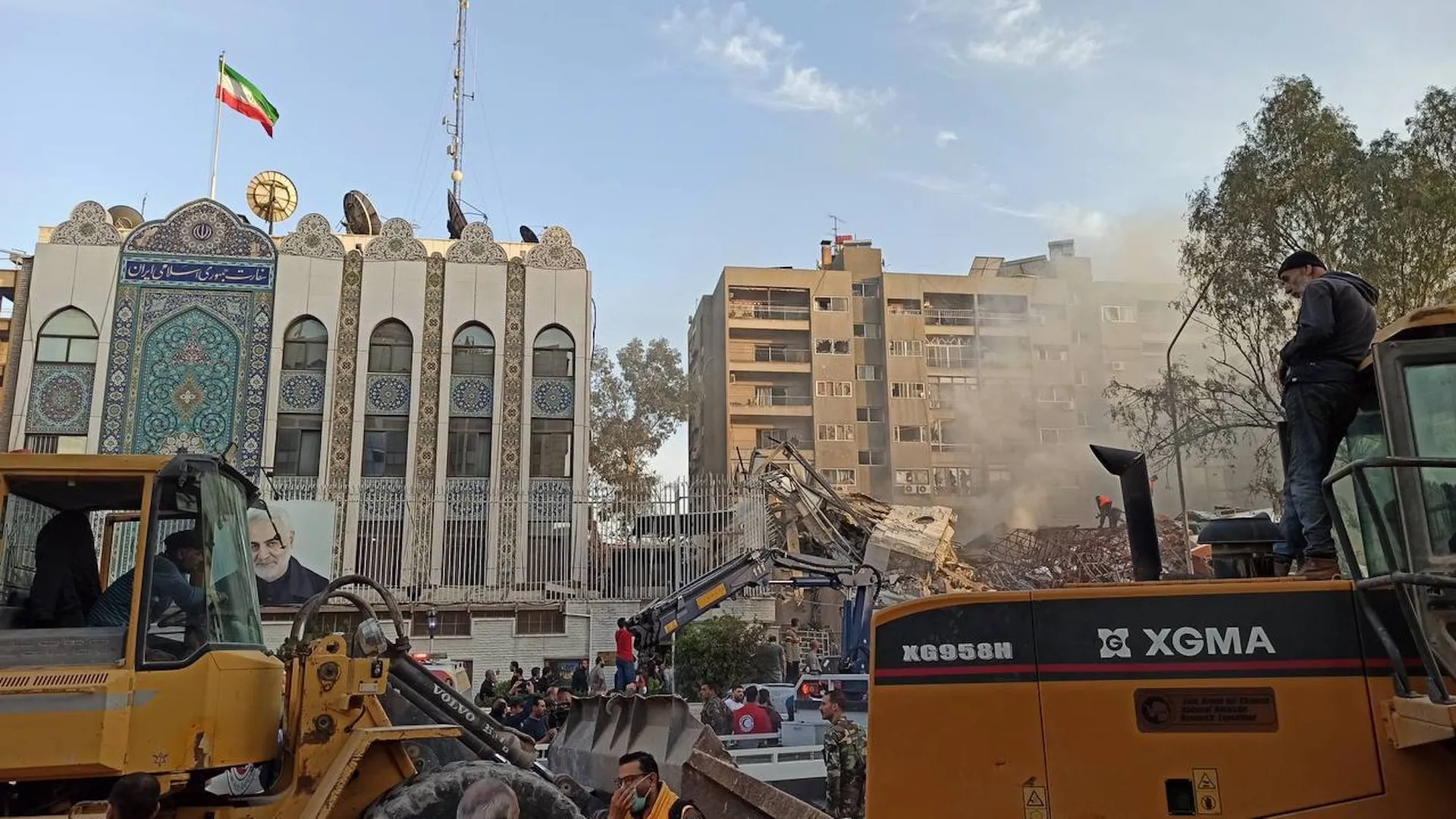
After an attack by Israel on Iran’s embassy in Damascus on 1 April, Iran fired a barrage of drones and missiles at Israel on 13 April, stoking long-held fears of an escalation that draws in proxies and regional and global powers. Policymakers and business must map the potential consequences on their economies. For African countries already reeling from multiple adverse shocks, this is another headache. Financial market losses, trade disruptions and heightened risk aversion are likely.

Amid the rising tensions, there are two scenarios to consider.
First is a full escalation that turns the Iran-Israel ‘cold war’ hot. This option is favoured by Israeli Prime Minister Benjamin Netanyahu who will likely use Tehran’s retaliation to prop up nationalism and foster a siege mentality to boost his political support.
For Iran, the telegraphed nature of its strike suggests it aimed for maximum symbolism and minimal damage, as observed by Bloomberg’s Ziad Daoud. Despite Iran’s relative restraint, this is still uncharted territory, and there are concerns that Israel will attack Iran unless stopped by global powers.
The effect of multiple critical shipping routes being under siege will likely trigger a global recession
The second scenario, which will require deft diplomacy, is a de-escalation of tensions. This depends on the ability of Washington and its allies to talk Tel Aviv down. As noted by geopolitical expert Velina Tchakarova, the United States (US) is wary of an escalation, given Russia’s advances in Ukraine and China’s in the South China Sea. Being stretched on three fronts before a crucial national election is far from desirable.
However, given Netanyahu’s compromised position domestically, he may risk rejecting this option to weaken US President Joe Biden, knowing a more supportive ally (Donald Trump) could emerge after November.
Under the (more likely) second scenario, the impact of an Iran–Israel detente will probably not have wider implications for the Gaza conflict, maintaining the tenuous geopolitical status quo.
Assuming the first scenario plays out, it’s likely that markets will deviate to safety, leading to a strengthening of the US dollar as fear and risk aversion rise. This geopolitical risk premium will weaken emerging market and African currencies, and raise the cost of international borrowing by upping their debt servicing costs.
On the back of stickier-than-expected inflation in the US, which will keep rates higher for longer, a sustained delay in the Fed’s rates normalisation cycle will further sour sentiment towards emerging markets. Against a backdrop where African sovereigns are only now re-issuing debt internationally after almost two years, this will be another setback for prospective issuers and further compress many countries’ already cramped fiscal space.
Some relief may however come in the form of commodity prices. Gold is expected to rise as it usually does in times of risk aversion. Similarly, with oil routes compromised, this should boost its price and the export earnings for countries.
While the price fillip is nominally good for gold (South Africa and Tanzania) and oil exporters (Angola, Gabon and Nigeria), the reality may differ for consumers as knock-on effects play out in energy markets, shipping routes and supply chains. The closure of the Strait of Hormuz, through which 17% of global oil production flows, could impact global energy prices dramatically. Disruptions to oil shipments and associated higher oil prices could lead to increased fuel costs for airlines and shipping, raising prices for consumers.
India, Brazil and South Africa – members of G21 and BRICS – could help bring stability to the situation
A sustained closure in a key chokepoint will make investors jittery, especially after significant disruptions to logistics and supply chains induced by the Black Sea and Red Sea crises. The aggregate effect of multiple critical shipping routes being under siege will likely send markets into a tailspin and trigger a global recession.
For African states, the task is to skilfully navigate energy geopolitics and strategic diplomacy without falling on the wrong side of the economic calculus. ‘An escalation in hostilities between Israel and Iran represents another clear global geopolitical fault line,’ notes Priyal Singh, Senior Researcher at the Institute for Security Studies.
Singh says that to ensure Africa’s human security and developmental agenda isn’t relegated to the sidelines by major powers, African countries will ‘once again have to deal with the conundrum of how to insulate themselves from international instability while attempting to deepen engagements with global actors (across geopolitical divides).’ He adds that African states have been down this road before and ‘unfortunately there is no playbook on managing this delicate balancing act.’
To be sure, this will be far from straightforward. Former Indian Foreign Secretary Kanwal Sibal described the situation as ‘geopolitical drift’. He said the lack of dialogue between the West and Russia and adversarial US-China ties are likely to undermine the effectiveness of the United Nations Security Council in calming tensions.
He believes Russia and China’s close ties with Iran as a BRICS and Shanghai Cooperation Organisation member would also render G7 efforts largely ineffective. The BRICS dimension is especially intriguing since Saudi Arabia, the United Arab Emirates and Egypt have all recently joined the expanded BRICS bloc along with Iran, ostensibly making them strategic allies. Yet both Saudi Arabia and Egypt have historic ties with Israel, in keeping with their broad alignment with the US.
Now with a foot in either camp, this creates a dilemma for Riyadh and Cairo around how to balance their interests, international alliances and realpolitik with appearances around the Gaza conflict. Indeed, it becomes increasingly difficult to gauge each state’s alignment and how they walk this tightrope amid shifting global alliances and economic incentives.
African nations must prepare for another significant shock to their economies via contagion
Given BRICS members’ energy dominance, desire to end the petrodollar and influence over the Suez Canal and Strait of Hormuz, the West will be wary of the economic impact of an energy war that sees any of these nations shifting away from the Western orbit. Consequently, African nations risk being drawn into proxy battles that have domino effects on security, foreign investment and trade relationships.
Africa and the global south will be watching how the West navigates Israeli belligerence. With frustrations around Western bias already high, allowing Israel to run amok will fuel Africa’s scepticism of the global north.
Equally, having two BRICS members at the heart of global instability does little to offset the deep distrust towards the group in Western capitals. Countries such as India, Brazil and South Africa – which straddle the G21 and BRICS – have an opportunity to bring stability to the situation.
While Israel’s response remains uncertain, African nations must prepare for another significant shock to their economies via contagion. And as yet another global crisis not of their making unfolds, African policymakers should reflect on how to protect themselves from such eventualities going forward.
Recent conflicts provide few useful lessons – both strategic neutrality (Ukraine) and principled positions (Gaza) have irked international powers. In the short term, strained fiscal and monetary war chests mean little can be done to mitigate the impacts of such shocks.
Over the longer term, resilience and domestic self-sufficiency are vital. Economic diversification, greater regional and trade integration and pragmatic diplomacy should be the focus. Policymakers must use Africa’s collective bargaining power, enhance domestic capital markets and negotiate smartly with resource-hungry global powers to maximise economic benefit.
