


Listen to the article
Key Takeaways
🌐 Translate Article
📖 Read Along
💬 AI Assistant
Turkey has offered to meet Saudi Arabia’s military needs under a new three-way defence pact with Pakistan following Houthi attacks on the kingdom.
The Houthis said they had targeted “sensitive sites” in Riyadh on Saturday. Saudi-led coalition forces said a ballistic missile fired at the capital was intercepted and destroyed.
The group also attempted to strike targets in Bisha, Taif, Farasan and Yanbu, according to the coalition.
Turkey said it was prepared to provide military assistance under the Mecca Joint Defence Agreement signed by Turkey, Saudi Arabia and Pakistan last month.
The pact treats an armed attack against one of the three countries as an attack against all of them.
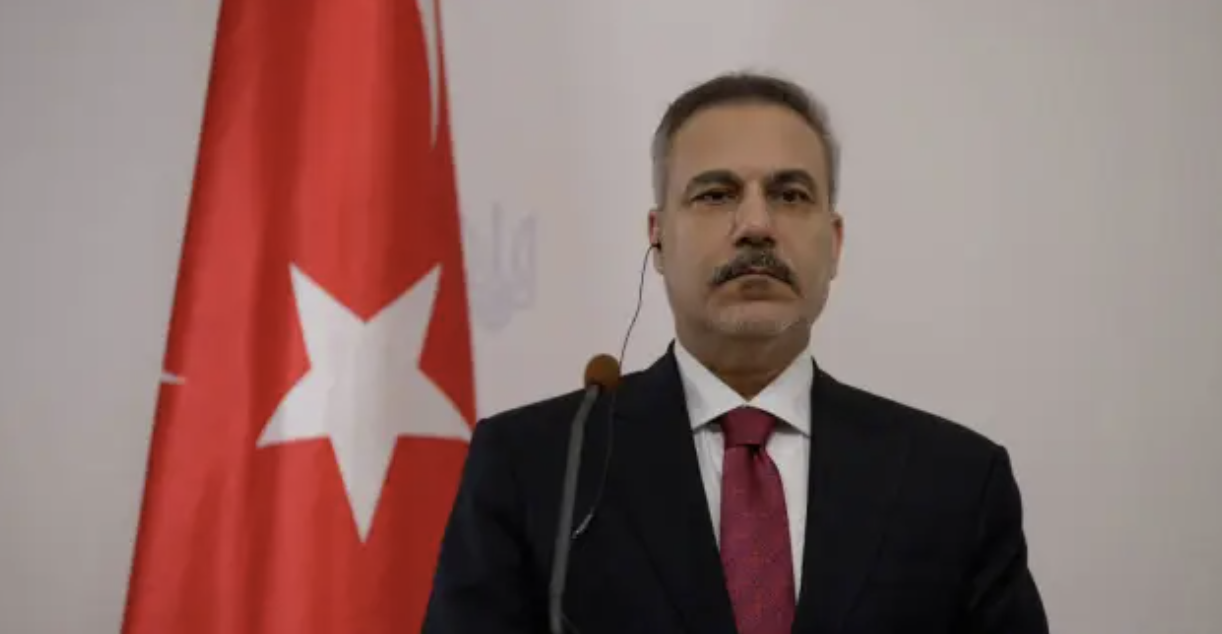
Turkish Foreign Minister Hakan Fidan said: “We see there are very serious attacks on Saudi Arabia’s territorial integrity, sovereignty. We have an alliance agreement in our pact. We are in serious solidarity on this point… They may have some military needs, especially on some technical issues. We would have no issues in meeting these.”
Fidan did not specify what military assistance Turkey could provide.
Ismail Numan Telci, a professor at Ibn Haldun University in Turkey, said Fidan’s reference to technical assistance could include “air defence systems, counter-drone and electronic warfare capabilities, radar and surveillance and maritime security”.
He continued: “There are limitations that prevent Turkiye from having a direct combatant role in the conflict.”

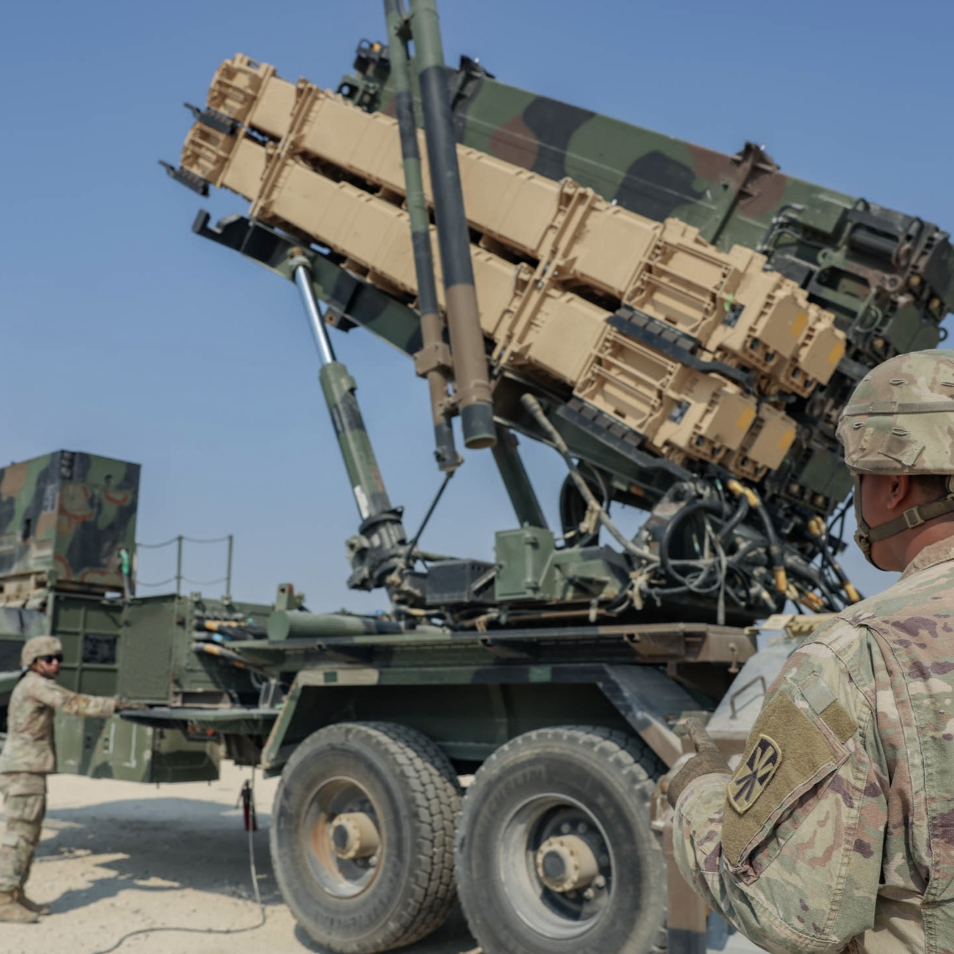
Turkey has NATO’s second-largest military. Ankara has said the agreement is not intended to replace its existing alliances and could eventually be expanded to include other countries.
Pakistan has also pledged to defend Saudi Arabia but has not announced direct military involvement against the Houthis.
Lieutenant-General Ahmed Sharif Chaudhry, a spokesman for Pakistan’s military, said Islamabad would defend Saudi Arabia “to any extent”, including “physically”.
Pakistan’s Foreign Office said no military response was currently being discussed under the pact and that Islamabad would act “when time comes”.
Fidan said Turkey was also pursuing diplomatic efforts to end the fighting.
He said: “There are many initiatives, but the sides need to accept these. There are new proposals, I hope they accept them. Otherwise, the crisis was tolerated until a certain point, but the economic reflections have started to exceed the point of being tolerable.”
The US has so far refused Saudi requests to launch strikes against the Houthis, instead offering intelligence-sharing and targeting assistance.
The New York Times reported that the Trump administration later prepared to launch air strikes against Houthi targets on Sunday, but President Donald Trump called off the operation as US personnel were preparing aircraft. Reuters said it could not independently verify the report.
The US State Department last week approved the possible sale of 48 F-35 fighter jets and 49 engines to Saudi Arabia. The proposed deal is valued at $24.3 billion and still requires congressional approval.
The Houthis have said they will not target American vessels in the renewed fighting.
Mohamed al-Bukhaiti, a member of the Houthis’ political bureau, said: “We confirmed that we are not targeting the United States, or any other nation, in the strait, with the sole exception of the Saudi enemy. That remains the case.”
Al-Bukhaiti also warned other countries against joining Saudi Arabia.
He said the group was capable of fighting on several fronts “should any nation become implicated in the aggression against Yemen alongside Saudi Arabia.”
He added: “Today, Yemen is capable of waging battle — not merely an internal conflict, but an international one as well.”
Trump has acknowledged being in contact with the Houthis.
He said: “The Houthis called us, and they don’t want to fight with us. They would much prefer not having us involved, and they’re letting most ships go through.”
Oman has continued to act as an intermediary between Washington and the Houthis, with indirect contacts taking place through Muscat.
Houthi forces have also made territorial gains inside Yemen, seizing areas of the Red Sea coast and fighting for positions in Taiz and Lahij provinces.
The group has taken the port city of Mokha and positions around the Bab al-Mandeb Strait, through which around 12 per cent of global trade normally passes.
The Red Sea has become more important to Saudi oil exports because of disruption in the Strait of Hormuz.
The Houthis have also targeted Saudi energy infrastructure and shipping, while Saudi Arabia has carried out air strikes against Houthi positions in Yemen.
The Houthis have said their attacks on Saudi Arabia will continue until Riyadh ends its blockade of rebel-controlled areas and allows vessels to reach Houthi-held Red Sea ports.


