


Listen to the article
Key Takeaways
🌐 Translate Article
📖 Read Along
💬 AI Assistant
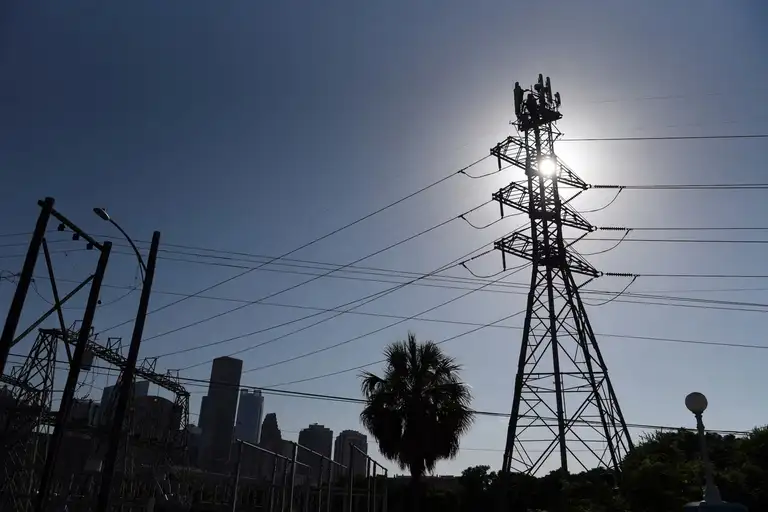
Iranian hackers have threatened attacks against US energy, water and telecommunications systems as tensions between Washington and Tehran escalate following renewed fighting around the Strait of Hormuz.
The Iranian hacking group APT IRAN has warned that American critical infrastructure could soon face attacks, following a series of reported attempts to penetrate US infrastructure networks.
The group said on Telegram on Sunday: “Soon the United States will witness unexpected and critical events in the energy, water and telecommunications industries.”
The FBI said last month that it was investigating cyberattacks targeting municipal water systems in at least seven states. More than 30 water facilities were targeted in Minnesota, although the attempts were unsuccessful.
The US Cybersecurity and Infrastructure Security Agency (CISA) has also warned that Iranian hackers are attempting to compromise internet-connected devices used to manage critical infrastructure.
In an alert on 19 August, CISA said: “Using AI to generate exploitation scripts represents an evolution in threat-actor capabilities, dramatically reducing the technical expertise and time required to develop working … exploitation scripts and malicious tools.”
It added: “Threat actors can easily collect public information about vulnerabilities and weaknesses, find exposed and exploitable PLCs [programmable logic controllers — industrial computers used by the government], and use AI-generated scripts to act on that information.”
The latest threats follow a cyberattack that reportedly disabled an unidentified British power facility for four days last month. UK security officials described the incident as a “warning shot” over Iran’s ability to target critical infrastructure.
The cyber threat comes amid renewed military confrontation around the Strait of Hormuz. President Donald Trump warned that Iran would be “hit again at a much harder and higher level” if it retaliated for US strikes against Iranian targets.
Iran subsequently launched missiles and drones towards US bases in Jordan, the United Arab Emirates, Kuwait, Bahrain and Iraq’s autonomous Kurdistan region.
Ebrahim Azizi, chairman of the Iranian parliament’s national security and foreign policy committee, said: “Make no mistake: these crimes will not go unpunished.”
US Secretary of State Marco Rubio said Washington would continue targeting Iranian capabilities that posed a threat to American forces and commercial shipping.
Rubio said: “They’ve lost control of the straits. They put a bunch of mines in there. We were able to successfully destroy those mines and so the shipping lanes are now even broader.”
He added: “But they keep shooting at things and they keep shooting at ships. So we will continue to target those things that pose an imminent threat to our forces and to global shipping in the straits. The straits will remain open, and they will not be under Iranian control.”
Trump also renewed his call for Iranians to challenge the government in Tehran, saying the US had “almost total control of the Hormuz Strait” and Iran’s economy was “totally collapsing”.
Trump said: “They are just playing out the inevitable. When are the Iranian people going to rise up and fight?”


