


Listen to the article
Key Takeaways
🌐 Translate Article
📖 Read Along
💬 AI Assistant
Iranian leaders are still waiting for a formal US response to Tehran’s ceasefire proposal despite Donald Trump publicly rejecting the plan.
The latest diplomatic push comes after Tehran offered a seven-day ceasefire and the phased reopening of the Strait of Hormuz last week. Trump rejected the proposal, but indirect talks have continued through regional mediators, with US and Iranian officials holding separate discussions with intermediaries on Monday.
Abbas Araghchi, Iran’s foreign minister, said Tehran had made no changes to its proposal and was waiting for Washington to respond through Qatari mediators.
Araghchi said: “Our plan, which became known as the seven-point plan, was conveyed to the Americans through the Qatari intermediary.”
He added: “Despite the things that the American president and others said, I said that we are waiting for an official response from America through the intermediary.”
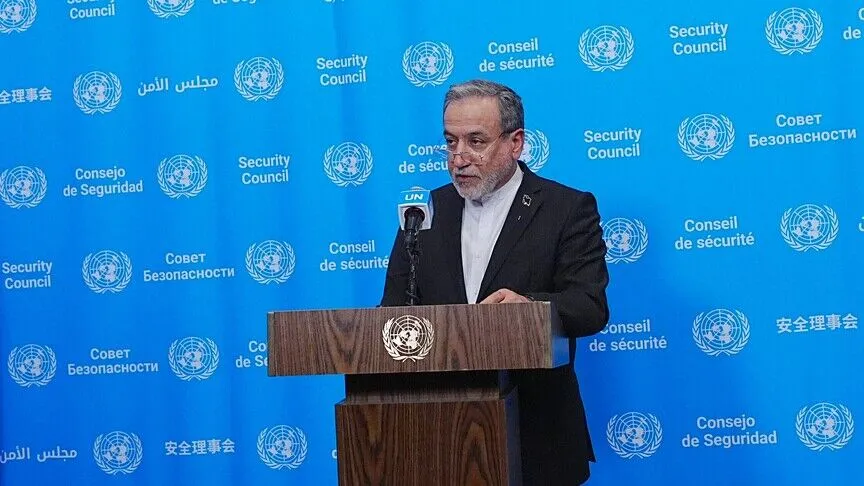
Araghchi met Qatari mediators again in New York on Monday as efforts continued to find a way forward.
He said: “They had ideas, and we discussed how a way could be found to meet Iran’s conditions and how those conditions could be fulfilled.”
Araghchi said: “Qatari intermediaries presented ideas, and we discussed them; they are set to raise the matter with the American side once more, after which the final U.S. response will be conveyed to us.”
He added that “the Qataris hope this will be done by tomorrow.”
Araghchi said exchanges through Qatari and Pakistani mediators had remained open and had become more serious since Tehran submitted its latest proposal.
Iran presented the seven-day plan last week, offering the phased reopening of the Strait of Hormuz and the resumption of negotiations with Washington if the US meets Tehran’s conditions.
The proposal draws on conditions set out in a memorandum of understanding agreed between the two sides in June before an earlier attempt to end the conflict broke down.
It calls for measures including an end to the US naval blockade of Iranian ports, waivers on Iranian oil sanctions and the release of frozen Iranian assets. Iran would then reopen the strait and resume negotiations towards a broader settlement.
Araghchi said last week: “We have heard the first reaction from the US president, but nothing has yet been conveyed to us by the mediators.”
He added: “We are waiting for the final position to be conveyed through the mediators, and we will decide based on that.”
Araghchi said: “Our conditions are clear.”
He added: “There will be no solution other than a negotiated one based on dignity and justice and securing the rights of the Iranian people.”
Trump has publicly rejected Tehran’s proposal but said on Monday that US officials had spoken with mediators seeking to end the conflict.

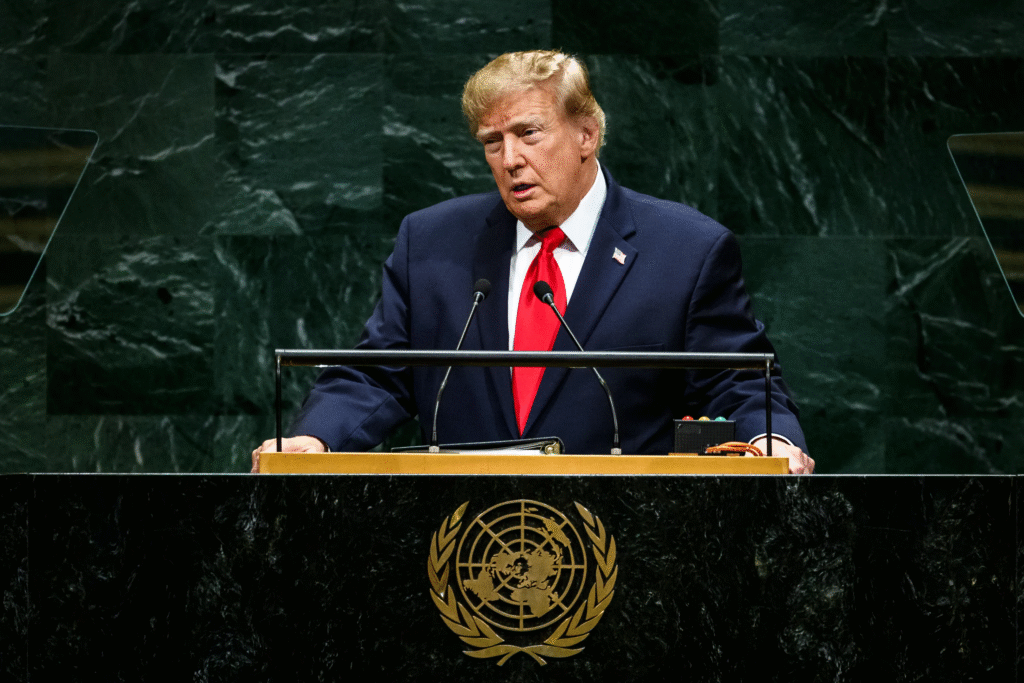
The president also denied reports that Washington had offered sanctions relief or access to frozen Iranian funds to secure an agreement with Tehran, saying the US had offered “nothing”.
Indirect negotiations have continued despite his rejection of Iran’s terms, with Qatar playing a central role in carrying proposals between the two sides.
A US official said the latest indirect discussions had been “positive and constructive”, but said an agreement would depend on addressing Iran’s nuclear programme.
The official said: “Iran has indicated they are flexible on the nuclear issues, but the sides still remain apart on the timing of the commitments and who takes which steps first.”
The disagreement over sequencing remains one of the main obstacles to a settlement.
Washington wants commitments over Iran’s nuclear programme and the reopening of the Strait of Hormuz. Tehran is seeking sanctions relief and an end to military and economic pressure as part of the process.
The latest negotiations follow talks in New York during the UN General Assembly, where US and Iranian representatives have used regional mediators to exchange proposals.
Araghchi said he was preparing to leave New York for Tehran and that Qatari mediators would convey Washington’s response once it was received.


