


Listen to the article
Key Takeaways
🌐 Translate Article
📖 Read Along
💬 AI Assistant
A New York judge has drawn a line- helping a terrorist sponsor evade sanctions is no longer just a compliance failure; it can make a company liable for the terrorist attacks that follow.
The cases brought by more than 500 families of American soldiers against South African telecom company, MTN, under the US Anti-terrorism Act continues.
On 25 September, Judge Carol Bagley Amon of the US District Court for the Eastern District of New York refused MTN Group’s request to reconsider her earlier rulings in Zobay v. MTN Group, and declined to let the company take the case to the Second Circuit on an interlocutory appeal. The claims, brought by American service members and their families, allege that Africa’s largest mobile operator aided and abetted attacks in Iraq and Afghanistan between 2011 and 2019 that killed their oved ones. The case, together with the related Long matter, now moves into discovery.
The South African business press has reported the decision largely as MTN presented it to shareholders: a procedural ruling, no finding of liability, a long road ahead. MTN denies the allegations. But reading the judgment only as a procedural setback for one company misses its significance. Judge Amon has set out, more clearly than any court since the Second Circuit’s 2025 decision in Ashley v. Deutsche Bank, where ordinary commerce with a terrorist sponsor ends and culpable participation and liability in its violence begins. Her answer is with sanctions evasion.
The Ashley test, and why MTN fell on the wrong side of it
In the Ashley case, the Second Circuit dismissed claims against three banks accused of aiding the Taliban-linked syndicate in Afghanistan and Pakistan. One of the banks had kept banking fertiliser companies whose product was turned into the bombs that caused most American bomb casualties in Afghanistan, even after the US military told the bank so. The court held that this was not enough. Knowing that your customer’s goods end up in terrorist hands does not make you an aider and abettor if all you provide is routine service, at one remove, on ordinary terms. The court also rejected the argument that, because money is fungible, any funds reaching a terrorist group can be tied to any attack it commits.
Since Ashley, defendants have used this as a defence to win a run of dismissals: claims against Lafarge, against Standard Chartered over money moved for IRGC fronts, and against the crypto exchange Binance. MTN expected the same treatment. However, Judge Amon held that Ashley clarified the law rather than changed it, and that MTN’s alleged conduct falls outside it.
The distinction the judge drew is the one that matters for every board with exposure to Iran. The bank in Ashley, she wrote, merely opened its doors to criminals with ties to terrorists and treated them like any other customer. MTN, on the plaintiffs’ case, did something different in kind. MTN entered a joint venture, Irancell, with a consortium whose shareholders, the Bonyad Mostazafan and Iran Electronic Industries, are affiliated to the IRGC. The 2005 agreement allegedly committed the partners to “defensive, security, and political cooperation”. MTN is alleged to have helped source embargoed American technology for the venture and to have discussed, in documents later leaked by a whistleblower, how to get around US sanctions in doing so.
The judge’s reasoning turns on a short observation: concluding a deal with an ordinary customer does not require procuring embargoed technology and evading sanctions. Once a company goes that far for a counterparty, it is no longer providing routine services. It is giving special treatment, which the Second Circuit has long treated as a mark of conscious and culpable assistance.

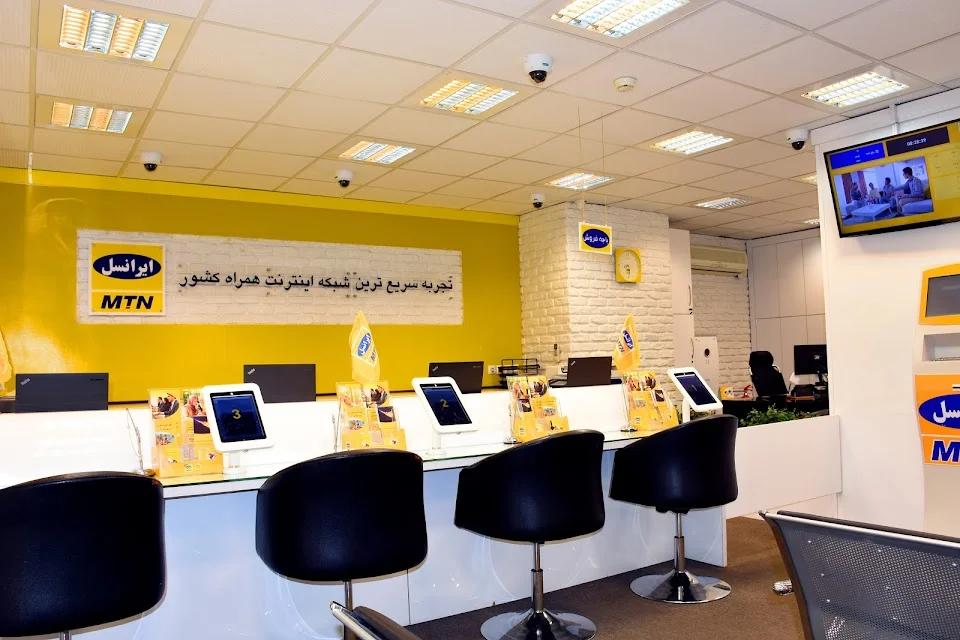
The exposure is wide. The IRGC’s commercial empire spans telecommunications, construction, energy, shipping and banking. Chinese, Turkish, Gulf and Russian firms hold joint ventures, supply contracts and technology relationships across it. ZTE, MTN’s original co-defendant in this case, is a reminder that the technology supply chain is as exposed as the operators. Until now, most of these companies have priced their Iran risk in terms of Treasury penalties. Zobay suggests they may have to be price it in terms of civil liability to the victims of attacks, under a statute that provides for treble damages.
Switching off the network
The Afghanistan part of the judgment also deserves more attention than it has received. The court sustained the claim that MTN shut down its cell towers at the Taliban’s request, despite objections from the US and Afghan governments, because doing so plausibly helped the Taliban evade coalition forces and carry out attacks. The judge accepted that this aid was not pervasive. But she held that switching off a network at a terrorist group’s behest can hardly be seen as business as usual.
Telecommunications networks are now instruments of conflict. Armed groups in the routinely pressure operators to cut, throttle or restore coverage. Operators facing these demands often comply to protect their staff and infrastructure. MTN-Irancell recently participated in the longest internet black out in Iran’s history.
Where the group concerned is a designated terrorist organisation, the Zobay reasoning means that compliance can carry liability in an American court. Boards of operators in contested territories need to understand that before the next demand arrives.
Discovery, and what comes next
The coverage has treated discovery as a formality. It is not. The plaintiffs will now seek MTN’s internal records on the 2005 agreement, on how US-origin equipment reached Irancell and on its dealings in Afghanistan. This is happening while, by MTN’s own disclosure in August 2025, the US Department of Justice is conducting a grand jury investigation into its Irancell stake and its former Afghan operations. A civil discovery process and a criminal inquiry now run in parallel, covering the same ground.
These parallel processes take place against a changed backdrop. Control of MTN- Irancell majority is now reported to have moved further into the IRGC’s hands with the new Chief Executive appointed in March 2025 reported to be a veteran of IRGC operations.
Compliance functions should stop treating sanctions breaches and terrorism-financing exposure as separate risk categories: on Judge Amon’s reasoning they are now one and the same. Governments whose national champions operate in Iran’s orbit, South Africa among them, should recognise that the cost of those relationships will increasingly be set by American juries and it would not be possible to protect these blood soaked profits with lobbying.
The MTN case may take several years to reach a verdict, but the legal principle this judgment establishes takes effect now: a company that evades sanctions on behalf of a terrorist sponsor can be treated as a participant in that sponsor’s terrorist attacks.


