


Listen to the article
Key Takeaways
🌐 Translate Article
📖 Read Along
💬 AI Assistant
Japan is building two giant missile cruisers to defend the country against a growing arsenal of ballistic and hypersonic weapons being amassed by China, Russia and North Korea.
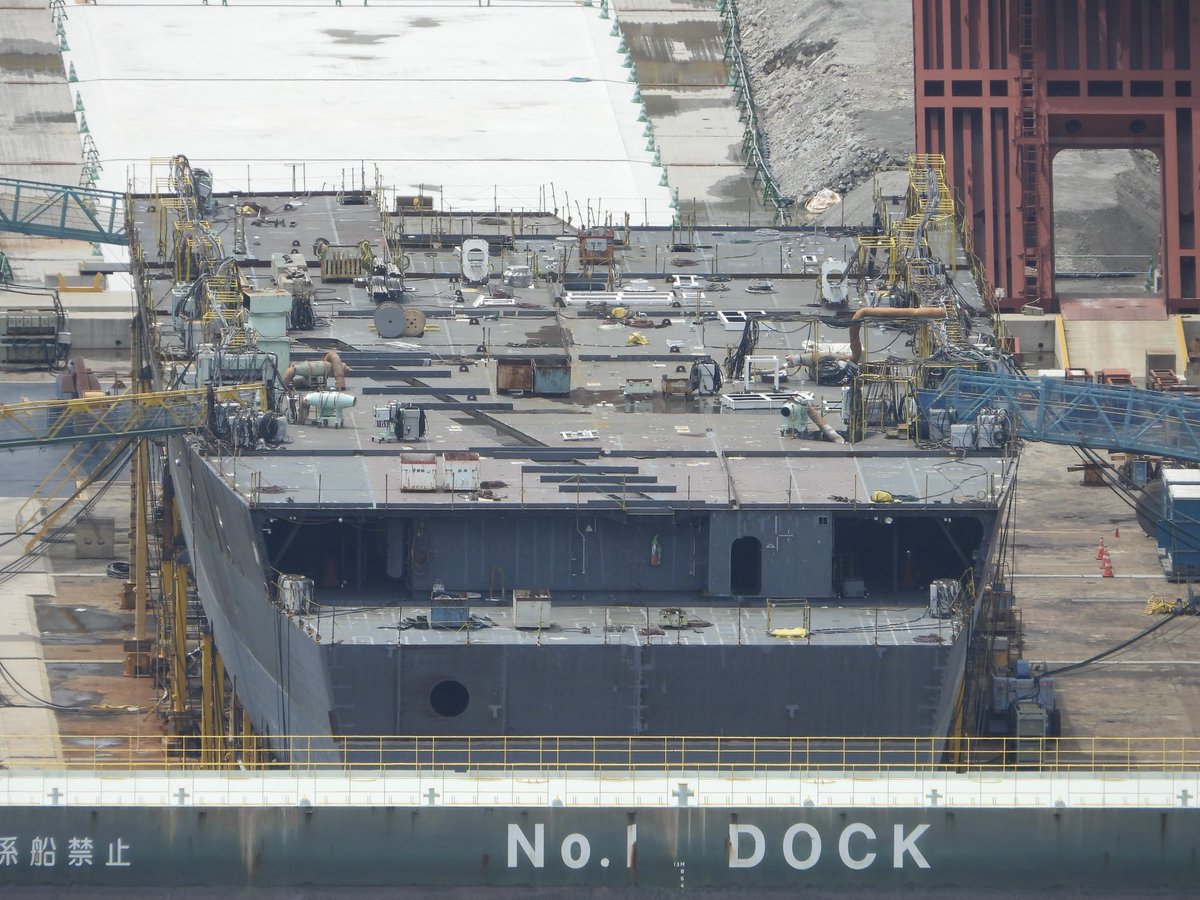
The 12,000-tonne warships will be among the largest and most heavily armed surface combatants in the world, each equipped with 128 missile launch cells and a powerful radar designed to detect and track ballistic missiles hundreds of miles away.
At 190 metres long and 25 metres wide, the Aegis System Equipped Vessels, known as ASEVs, will dwarf most Western destroyers and be comparable in size to China’s formidable Type 055 cruiser.
The ships are being built as Beijing rapidly expands its missile forces and navy, Russia increases military activity around Japan and North Korea continues to develop nuclear-capable ballistic missiles.
Japan’s defence ministry describes the security environment surrounding the country as increasingly severe, identifying China, Russia and North Korea as its principal regional security challenges. In July, Japanese forces reported a series of Chinese and Russian naval movements around the country, including joint operations by the two navies.
The threat from North Korea was underlined again last month when Pyongyang launched ballistic missiles towards the Sea of Japan.
Shinjiro Koizumi, the Japanese defence minister, said the repeated launches “threaten the peace and security of Japan, the region, and the international community”.
The new vessels are being designed primarily to provide Japan with a permanent sea-based shield against such attacks.
Each will carry 128 vertical launch system cells capable of accommodating a variety of weapons, including SM-3 Block IIA ballistic missile interceptors and SM-6 missiles. They are also being designed to fire Japan’s upgraded Type 12 surface-to-surface missile.
At the heart of each ship will be Lockheed Martin’s powerful SPY-7 radar, consisting of four large fixed arrays providing continuous 360-degree surveillance.
Lockheed Martin announced last month that it had completed validation of the first fully integrated combat system for the programme.
The system includes all four SPY-7 radar arrays, together with radar processing equipment, power and cooling systems, and the computers and displays required to operate the Aegis combat system.
The company said the equipment would form the basis of a new integrated air and missile defence capability designed to “detect, track and counter some of the world’s most advanced threats”.
The first system is now being prepared for shipment to Japan, where it will be installed in the first vessel before undergoing further trials.
The enormous size of the ships is unusual for vessels primarily intended for air and missile defence.
At 12,000 tonnes, they will be significantly larger than the US Navy’s Arleigh Burke-class destroyers and Britain’s Type 45 destroyers. They will also be bigger than Japan’s existing Maya-class Aegis destroyers, which are 170 metres long and displace about 8,200 tonnes.
The ASEVs will instead be in the same weight category as China’s Type 055, a 12,000-tonne-plus warship widely regarded as a cruiser because of its size and armament. Only much larger vessels, such as aircraft carriers and amphibious assault ships, sit clearly above them in displacement among major surface warships.
The comparison with the Maya class also demonstrates the dramatic increase in firepower. Japan’s Maya destroyers have 96 vertical launch cells, while each ASEV will have 128.
The ships emerged from Japan’s decision in 2020 to abandon plans for two land-based Aegis Ashore missile defence installations.
Tokyo instead decided to put the capability to sea, where it would be mobile and could be positioned according to the direction of a potential attack.
Mitsubishi Heavy Industries was awarded the contract to build the first vessel in August 2024, while Japan Marine United received the contract for the second the following month.
The first vessel is expected to be delivered in 2027 and the second in 2028.
The ships will eventually take over much of the ballistic missile defence mission currently performed by Japan’s Maya, Atago and Kongo-class Aegis destroyers.
That should allow those warships to return to more conventional naval operations rather than spending extended periods stationed in areas from which they can provide ballistic missile defence.
Japan is investing heavily in the capability. Its 2026 defence programme includes ¥79.7 billion for work associated with the ASEVs and their testing, alongside ¥72.3 billion for SM-3 Block IIA interceptors and ¥10.7 billion for SM-6 missiles.
The vessels are also being built with enough electrical generating capacity, cooling and internal space to accommodate future weapons and sensors, an increasingly important consideration as missile technology advances.
China has developed a huge inventory of conventional ballistic and cruise missiles while rapidly expanding its navy. Beijing also claims the Japanese-controlled Senkaku Islands in the East China Sea, which it calls the Diaoyu Islands.
Russia represents a separate challenge. Moscow has increased military activity in the region and continues to control islands north of Hokkaido claimed by Japan. Tokyo is also concerned about increasing military co-operation between Russia and China.
The House of Commons Library noted last month that Japan regards the Indo-Pacific security environment as its most severe and complex since the Second World War, citing China’s military expansion, North Korea’s advancing nuclear and missile programmes and increased Russian military activity close to Japan.
Japan’s response represents one of the most significant expansions of its military capabilities since 1945.
Once operational, the two ASEVs will give Tokyo enormous mobile missile-defence platforms capable of operating around the Japanese archipelago.
Their combination of 12,000-tonne hulls, 128 missile cells and some of the world’s most powerful naval radars will also place them among the most formidable missile-armed surface warships operating in the western Pacific.


